Hyper Light Drifter dev at risk of closing after laying off ‘nearly everyone’
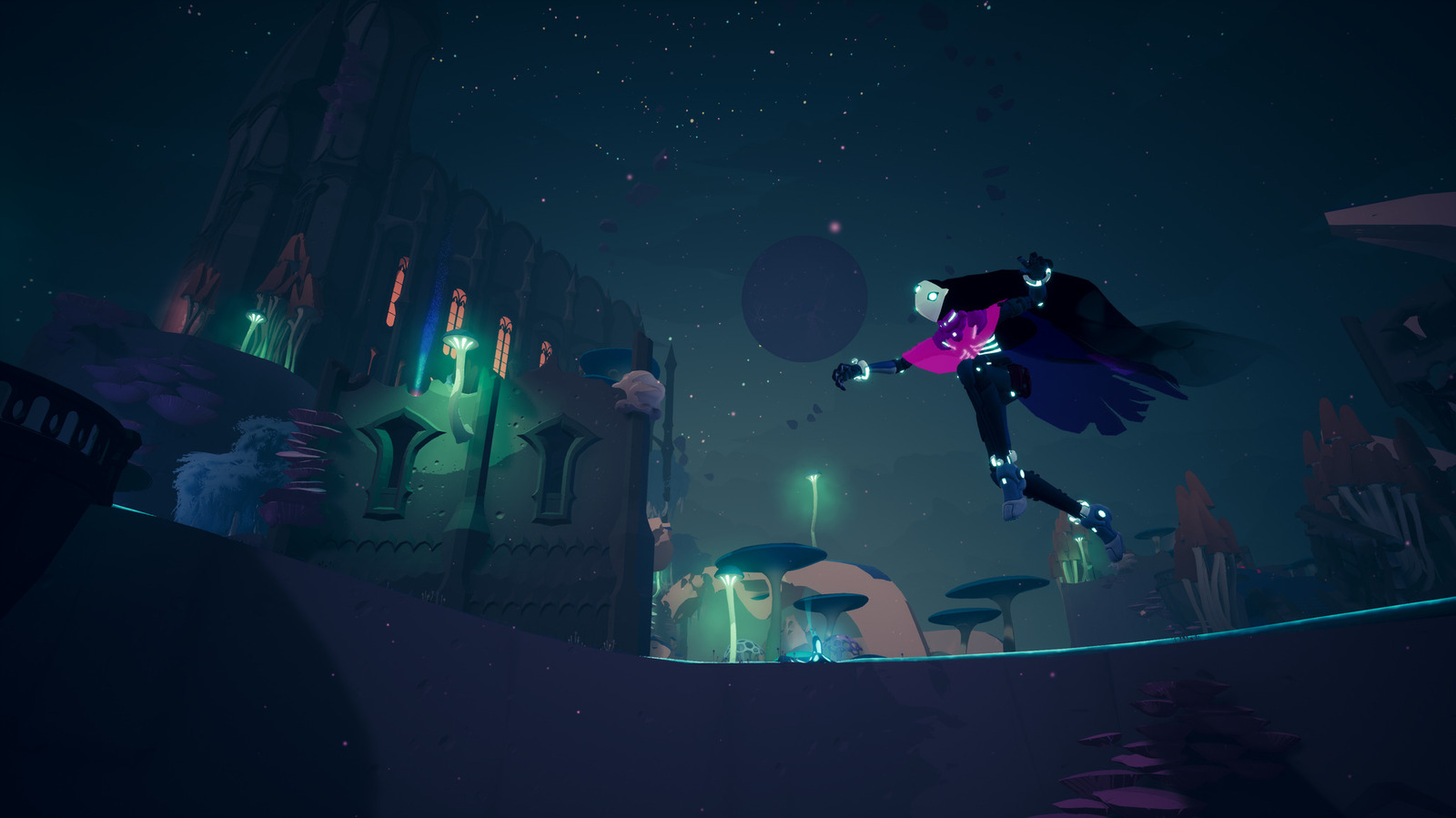
Heart Machine, the independent studio behind the acclaimed 2016 game Hyper Light Drifter, has laid off nearly its entire team and warned it may not survive. Founder Alx Preston said the studio had been developing an unannounced, publisher-funded title, but the publisher pulled out this week, removing the studio's key source of income and leaving it without other immediate prospects or funds. The news marks a possible end for a studio that built a devoted following a decade ago, and highlights the continuing instability across the games industry.
Heart Machine developed and published Hyper Light Drifter itself before moving to external publishers for later projects, including Solar Ash and the announced sequel Hyper Light Breaker, unveiled in 2022. Development of Hyper Light Breaker was juggled alongside work on Possessor(s), which launched last year, and the studio ultimately cancelled Hyper Light Breaker and cut staff in October 2025, with remaining employees voting to unionise in March 2026. Preston said navigating an increasingly difficult industry had been extremely hard, and he is not yet sure what comes next for the studio.
- Heart Machine laid off nearly all staff after losing publisher funding
- Studio behind Hyper Light Drifter now faces possible closure
- Follows 2025 Hyper Light Breaker cancellation and 2026 unionisation
New here? Start with this
Heart Machine is a small independent studio best known for Hyper Light Drifter, a stylish action game it made and released itself in 2016 that earned a loyal fanbase. It later worked with outside publishers on newer projects, including Solar Ash and a sequel called Hyper Light Breaker. Founder Alx Preston has led the studio throughout.
Making games this way is expensive, and studios like Heart Machine often rely on a publisher's money to fund development in exchange for a share of future sales. When a publisher backs out of a deal, the studio can lose its main source of income overnight, putting staff jobs and the studio's future at risk. This is what has now happened at Heart Machine.
The situation reflects a wider pattern in the video game industry over the past few years, where layoffs, cancelled projects and studio closures have become increasingly common, even for teams with well-regarded, successful games behind them.