My Little Pony helped a bullied child recognise real friendship
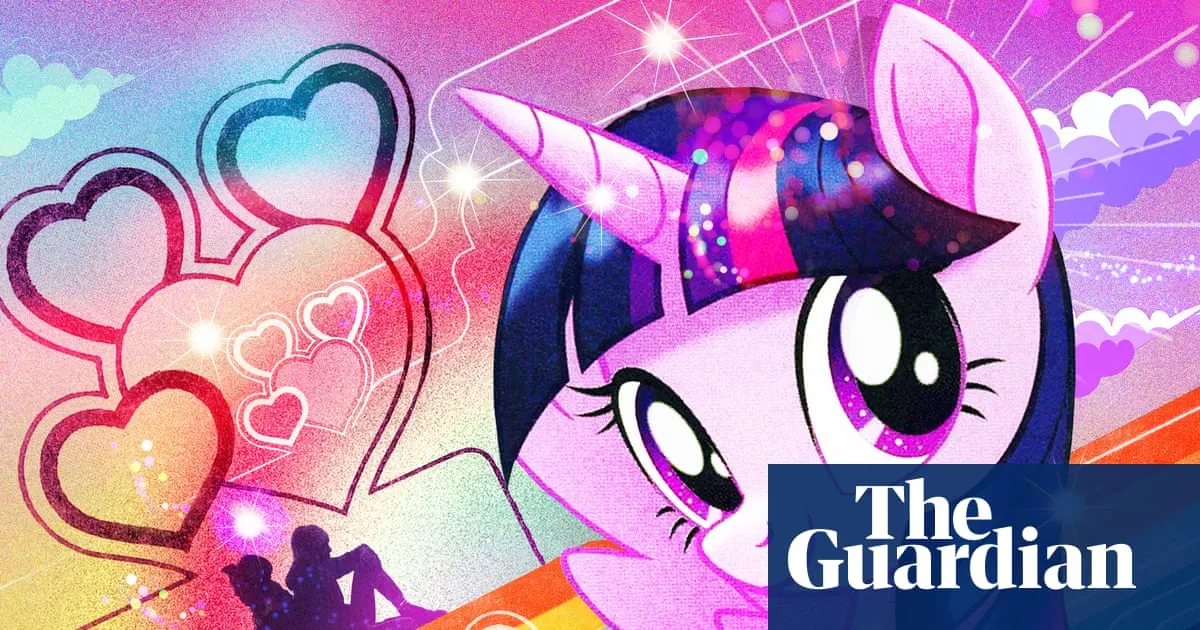
The writer recalls seeking approval from a classmate who belittled and excluded her when they were seven. As a neurodivergent child, she struggled to recognise that the relationship was bullying, until the friendship ideals in *My Little Pony: Friendship Is Magic* helped her see what was missing.
The cartoon’s six Elements of Harmony are honesty, kindness, laughter, generosity, loyalty and magic. When the writer realised the classmate did not show the qualities she associated with friendship, she walked away and spoke to another girl; more than a decade later, she says the idea still helps her value friends’ individual strengths and accept that some people are simply not right for one another.
- A cartoon helped a child recognise an unkind friendship.
- The writer used six friendship qualities to reassess her classmate.
- She still draws on the lesson to value her friends’ differences.
New here? Start with this
My Little Pony: Friendship Is Magic is a cartoon series based on six principles called the Elements of Harmony: honesty, kindness, laughter, generosity, loyalty and magic. The show explores how these values shape meaningful friendships.
Some children struggle to recognise when they are being bullied, particularly those whose brains process social interactions differently. What appears to be a difficult friendship can actually involve patterns of exclusion and belittlement.
The writer found that My Little Pony's framework for friendship gave her a way to assess her own relationships. When she realised her classmate did not demonstrate the qualities she associated with friendship, she recognised the relationship was harmful and sought healthier connections.
Both sides, in good faith
The strongest fair case each way — we don't pick a winner.
The case for
Media can be genuinely valuable for understanding complex concepts, particularly for neurodivergent individuals who benefit from clear narrative frameworks. This writer's recognition that a friendship lacked honesty, kindness, and loyalty shows real insight and agency. The fact that something helped her identify an unhealthy pattern and move toward better relationships matters; storytelling and art have real psychological benefit, and finding wisdom wherever it appears is worth acknowledging.
The case against
Whilst this person's growth is commendable, there is legitimate concern about relying on commercial children's entertainment as a primary model for understanding real relationships, particularly for vulnerable young people. Human friendships are considerably more complex and messy than the 'Elements of Harmony' framework suggests, and children might develop unrealistic expectations from such simplified narratives. Moreover, attributing this development to media consumption risks obscuring the psychological work the individual undertook herself, and guidance on healthy relationships might better come from trusted adults or professionals than from entertainment designed to sell toys.
Art Culture Entertainment Geopolitics Politics TV
Read the full article at the source →
Originally published by The Guardian as “I craved a mean girl’s approval until My Little Pony broke the spell”.