Ross McElwee’s film turns from Hollywood remake to son’s death
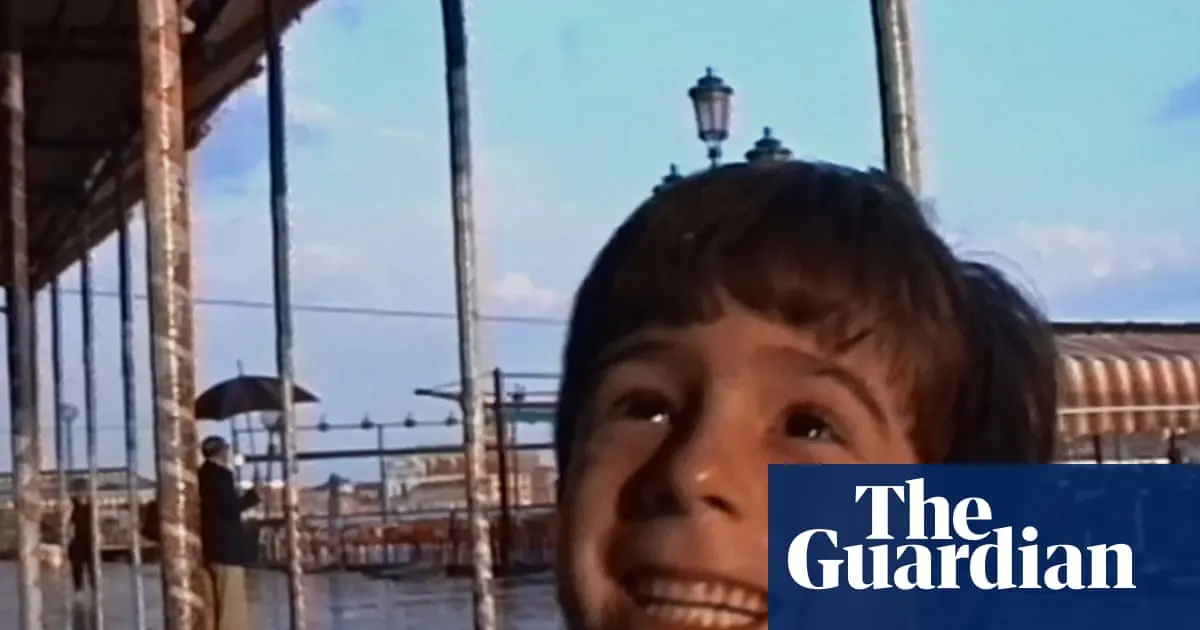
Ross McElwee’s documentary *Remake* began as a film about turning his earlier work *Sherman’s March* into a Hollywood production, but changed direction after his son Adrian died. It follows McElwee’s grief and his return to filming, using family footage to reconstruct Adrian’s life while questioning what it meant to film him.
Adrian died aged 27 from a fentanyl overdose after struggling with his mental health and opioid addiction. McElwee had recorded him from infancy, and says the footage both reassures him that Adrian was alive and confronts him with his absence. The film also revisits Charleen Swansea, a memorable figure from *Sherman’s March*, now living with dementia and unable to remember the film.
- McElwee reshaped his film after his son Adrian died aged 27.
- Family footage becomes a way to revisit Adrian’s life and loss.
- The documentary also returns to people and memories from *Sherman’s March*.
New here? Start with this
Ross McElwee is a documentary filmmaker who made *Sherman's March* in 1986. For his latest project, *Remake*, he began by documenting the process of adapting his original film into a Hollywood production. This project allowed him to reflect on his earlier work and its journey into mainstream cinema.
The documentary took a different direction when McElwee's son Adrian died at 27 from a fentanyl overdose. Adrian had been struggling with mental health issues and opioid addiction. The film's focus shifted to explore McElwee's experience following his son's death.
*Remake* now incorporates decades of family footage that McElwee had recorded of Adrian since infancy. The film examines how this archive both preserves Adrian's presence and confronts McElwee with his absence. The documentary also revisits Charleen Swansea, a figure from *Sherman's March*, who now lives with dementia and cannot remember the original film.
Read the full article at the source →
Originally published by The Guardian as “‘I look at the footage to convince myself that you were alive’: how Ross McElwee made a film about unimaginable loss, grief and guilt”.