I modded GTA 5 into a life-sim RPG with mining, foraging, a mini-economy, and the ability to fall asleep in the middle of the road
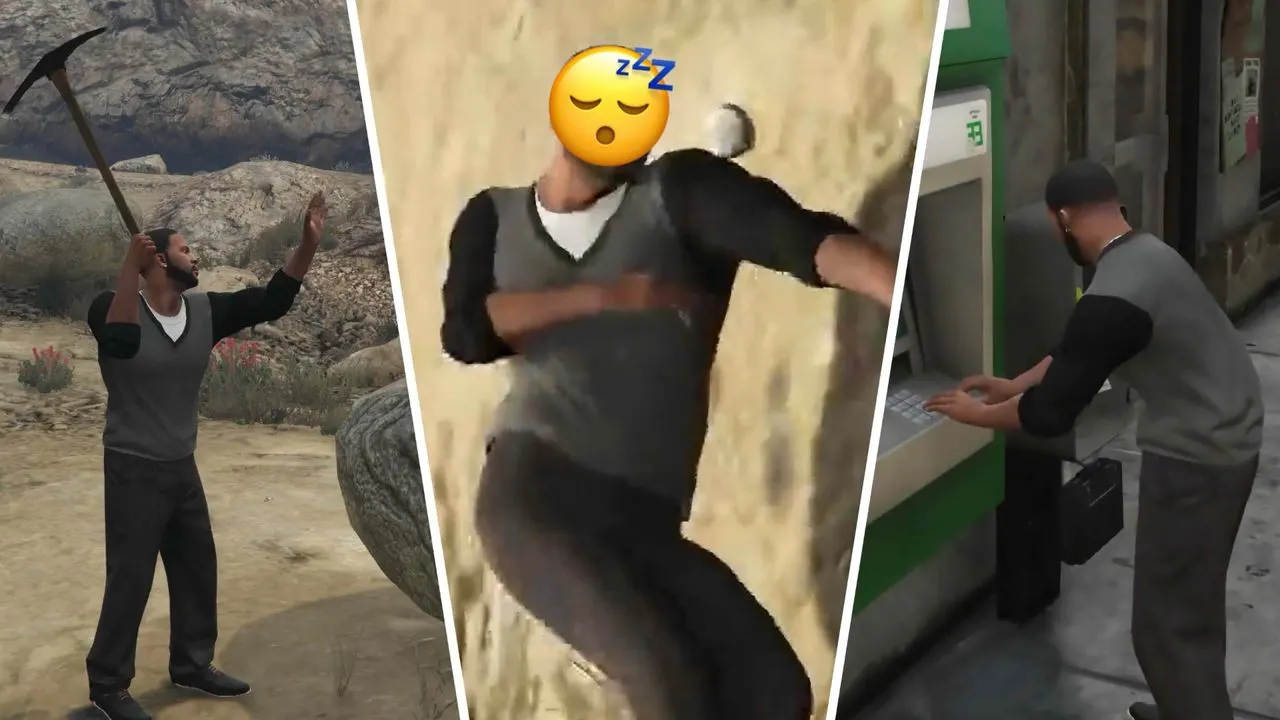
A modded version of Grand Theft Auto 5 has been reimagined as a lifestyle simulation through the Roleplay Alone modification, adding occupational gameplay mechanics such as ore extraction, agricultural foraging, and manufacturing activities. The enhancement includes a fatigue system that requires characters to manage energy levels and take mandatory rest periods, grounding the experience in daily labour cycles rather than purely criminal enterprise.
The journalist conducted a hands-on test using Franklin to demonstrate the system, mining rocks until the character's energy depleted and forced him to sleep—even in unconventional locations. The author frames this modification as a humorous counterpoint to Rockstar's marketing claims about GTA 6's forthcoming immersion, suggesting that community-created alterations have already realised simulation depth that commercial releases promise.
- A PC Gamer writer installed the Roleplay Alone mod, which transforms GTA 5 into a life-simulation RPG with mining, foraging, cannabis production, and fatigue mechanics
- Characters now require rest periods and must work realistic jobs; the author tested it by having Franklin mine ore until exhaustion forced him to sleep
New here? Start with this
Grand Theft Auto 5 is an open-world action game by Rockstar Games, set in a fictional version of Los Angeles. Players control characters including Franklin and can take part in missions, drive around the city or explore its many activities.
Players can also alter the PC version with modifications, or “mods”, made by the game’s community. Roleplay Alone adds routine work such as mining and gathering food, along with a system that makes characters tired and requires them to sleep.
The mod shows how players can reshape an existing game around everyday routines and role-playing. Its comparison with the anticipated Grand Theft Auto 6 reflects wider interest in how immersive future games might feel.
Both sides, in good faith
The strongest fair case each way — we don't pick a winner.
The case for
Community modders have demonstrated that sophisticated simulation mechanics—fatigue systems, occupational gameplay, economic loops—are achievable within existing game frameworks, which is genuinely noteworthy. The comparison with GTA 6's marketing is fair; it highlights what is actually possible and raises valid questions about whether commercial developers prioritise depth in these areas. Celebrating community innovation doesn't diminish Rockstar's work but acknowledges that players have already achieved the immersive, systems-rich experience many AAA games promise.
The case against
Comparing a niche modification to a global commercial release fundamentally misrepresents their different purposes and constraints. Rockstar must deliver a cohesive, technically optimised experience for millions across varying platforms whilst balancing narrative, world-building, and mass-market appeal—a scale entirely different from a focused mod for enthusiasts. Suggesting that community patches have 'already realised' what commercial games promise overlooks the essential complexity of shipping a major release and unfairly frames commercial development as having failed where amateurs have succeeded.