I was the bait to lure the IRA into a deadly confrontation with SAS
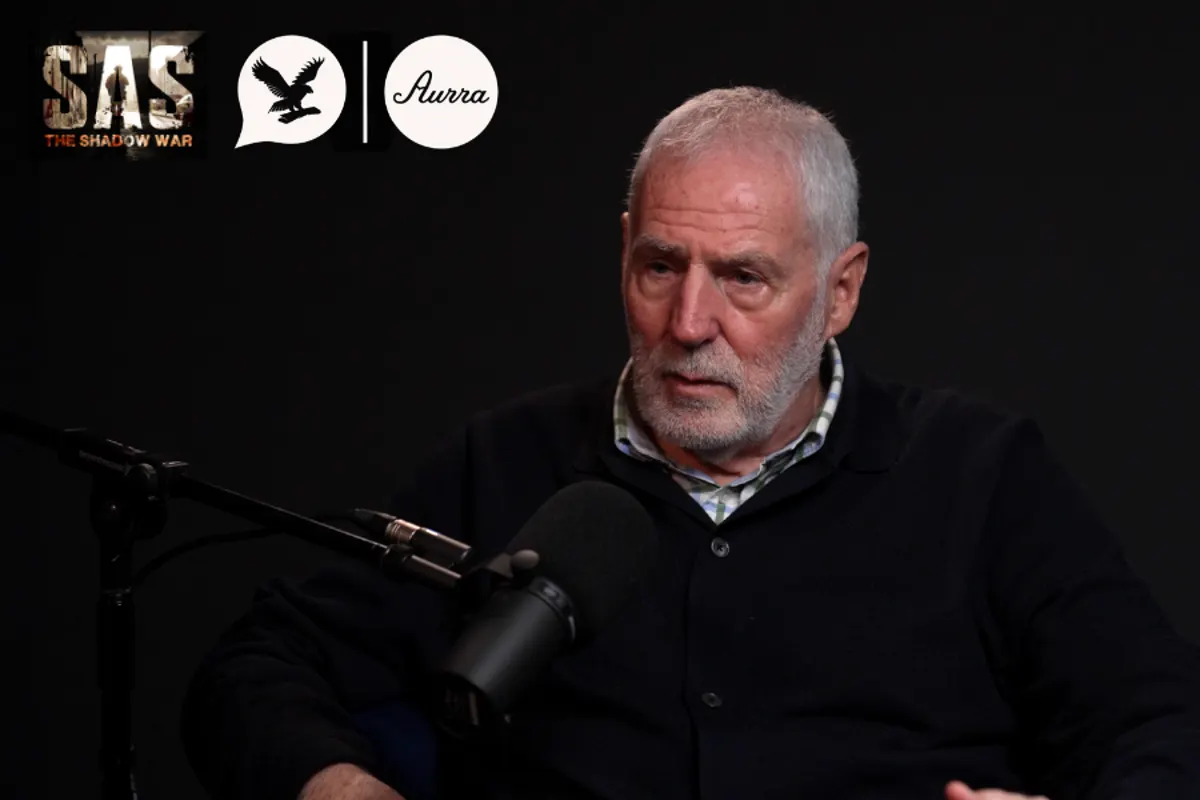
Former SAS officer George Simm says he posed as a coal delivery driver to draw an IRA unit into an ambush near Drumnakilly, County Tyrone, in August 1988. The operation ended with three IRA members dead and remains controversial, with their families and Irish Republicans describing it as evidence of a state “shoot-to-kill” policy.
Simm says he waited for more than an hour beside the truck, despite concerns from surveillance teams and police that the operation should end. He recalls Martin Harte firing 16 rounds at him before the SAS team opened fire; Gerard Harte, Martin Harte and Brian Mullan were killed. Irish government records said the men had hijacked a car and were armed, while police reported recovering two rifles. The incident occurred during a particularly violent year of the Troubles, when 94 people were killed in Northern Ireland.
- An SAS decoy operation in Tyrone ended with three IRA members dead.
- George Simm says he waited more than an hour for the attack.
- The 1988 ambush remains disputed as an alleged “shoot-to-kill” operation.
New here? Start with this
The Troubles were a prolonged violent conflict in Northern Ireland between Irish Republican groups seeking a united Ireland and British security forces supporting the union with Britain. In August 1988, an encounter near Drumnakilly in County Tyrone between the SAS—Britain's special forces unit—and three IRA members resulted in all three being killed.
The operation involved an SAS officer posing as a coal delivery driver to intercept an IRA unit. British authorities maintained the men were armed and posed a security threat, but Irish Republicans and the families of the dead disputed this account and claimed the incident reflected a deliberate "shoot-to-kill" policy rather than a lawful operation.
The case exemplifies a longstanding controversy about whether British forces pursued a "shoot-to-kill" policy against Republican suspects during the Troubles. It remains highly contested, with different interpretations of the event reflecting broader disagreements about how the conflict was conducted.
Both sides, in good faith
The strongest fair case each way — we don't pick a winner.
The case for
The security forces faced a genuine threat from armed IRA members engaged in active violence during the Troubles' deadliest period, and the operation targeted individuals who had hijacked a vehicle and posed a direct risk to civilians. The IRA unit fired 16 rounds at the officer first, demonstrating the immediate danger they presented, and recovery of weapons confirmed their armed status. Security services have a legitimate duty to confront armed paramilitaries, and tactical operations that involve some risk are sometimes necessary to protect the public from ongoing threats.
The case against
This operation raises serious concerns about proportionality and whether it was designed to provoke a lethal confrontation rather than effect an arrest, particularly given that colleagues' concerns led them to question whether it should have continued. The deaths of three individuals remain controversial, with families and Irish authorities questioning whether deadly force was justified or whether it represents evidence of a state shoot-to-kill policy. The broader pattern of unresolved deaths during the Troubles and lack of full accountability for security force actions lends weight to concerns that such operations operated outside proper legal constraints and democratic oversight.