IBM announces chip that natively executes Arm and Z instructions concurrently
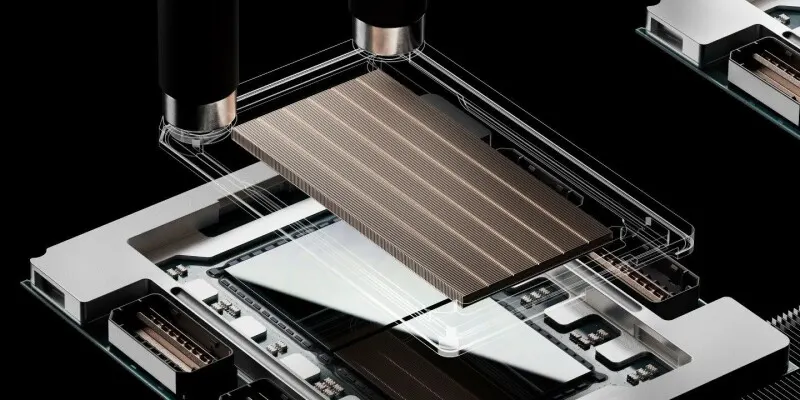
IBM has announced it is developing a new mainframe chip whose cores can natively execute Arm instructions alongside its own IBM Z or LinuxONE instructions concurrently, in a bid to broaden the software available to mainframe customers. The move is effectively an acknowledgement that independent software vendors are increasingly building for Arm-based cloud platforms rather than prioritising z/OS, so IBM is bringing Arm compatibility directly into its silicon rather than waiting for developers to come to it.
The chip will use a two-nanometre process, pack 11 high-performance cores running above 5.7GHz, and include AI inference accelerators for fraud detection, an on-chip data processing unit for I/O, and a large cache for enterprise workloads; IBM expects it to arrive around 2028, likely powering a successor to the z17 launched in 2025. Analysts note the mainframe market is small but strategically vital, since core applications and data are costly to migrate, and see the chip as ending Z's historical isolation from mainstream cloud and AI software development. IBM has attempted dual-architecture chips before, notably the PowerPC 615 in the 1990s, which supported both PowerPC and x86 but was never sold publicly.
- IBM's future mainframe chip will run Arm and Z instructions together
- Aims to attract more software vendors to the shrinking mainframe market
- Chip expected around 2028, likely for a z18-era system
New here? Start with this
IBM mainframes are the powerful, ultra-reliable computers that banks, insurers and airlines rely on to keep core systems like transaction processing running. They use IBM's own chip design, known as Z, which is different from the Arm chip design that now powers most smartphones and much of the cloud computing world, including many services from Amazon, Google and Microsoft. Because these two chip families speak different "languages," software written for one has traditionally needed to be adapted before it can run on the other.
This matters because more and more software companies are building their products primarily for Arm-based cloud systems, rather than for IBM's mainframe environment, since Arm chips are cheaper to run at scale and widely used across the industry. That leaves mainframe customers, who often cannot easily move their critical systems elsewhere, with a shrinking pool of compatible software. IBM makes and sells the mainframe hardware itself, while its customers are largely large enterprises and public bodies with long-established, hard-to-replace computing infrastructure.
Mainframes are a relatively small part of the computing industry by unit numbers, but they remain central to how many essential services operate behind the scenes, so changes to how they work can have wide knock-on effects. IBM has previously explored combining different chip architectures on one product, without those efforts reaching the market, which gives useful context for judging how significant any new attempt might be.
Both sides, in good faith
The strongest fair case each way — we don't pick a winner.
The case for
Advocates see this as a shrewd and overdue strategic move: by building Arm compatibility directly into Z silicon, IBM removes the years-long lag that has kept mainframe customers cut off from software vendors who now build first for Arm-based cloud platforms. Because core mainframe applications and data are notoriously expensive and risky to migrate, giving those customers native access to a broader software ecosystem without forcing a platform switch protects their existing investment while future-proofing it against obsolescence. Pairing this with AI inference accelerators and modern process technology also signals that IBM intends Z to remain competitive for demanding workloads like fraud detection, rather than fading into a legacy niche.
The case against
Sceptics would note that IBM has tried dual-architecture silicon before, and the PowerPC 615 of the 1990s, which combined PowerPC and x86 support, never even reached the market, so history offers reason for caution about whether this chip will ship as described. The 2028 target date is also a long way off, meaning today's announcement is more a statement of intent than a proven product, and enterprise buyers may be wary of planning around promised capabilities that could slip or be scaled back. Others might argue the move is really a tacit admission that z/OS has lost the battle for developer mindshare to Arm-based cloud platforms, and that bolting on compatibility, however technically impressive, does not resolve the deeper question of whether the mainframe model remains the right long-term architecture for enterprise workloads.