‘I’m as English as a Yorkshire cup of tea’, declares Green deputy leader Mothin Ali as he hits back at ex-home secretary Suella Braverman’s claim that British Asians can’t be English
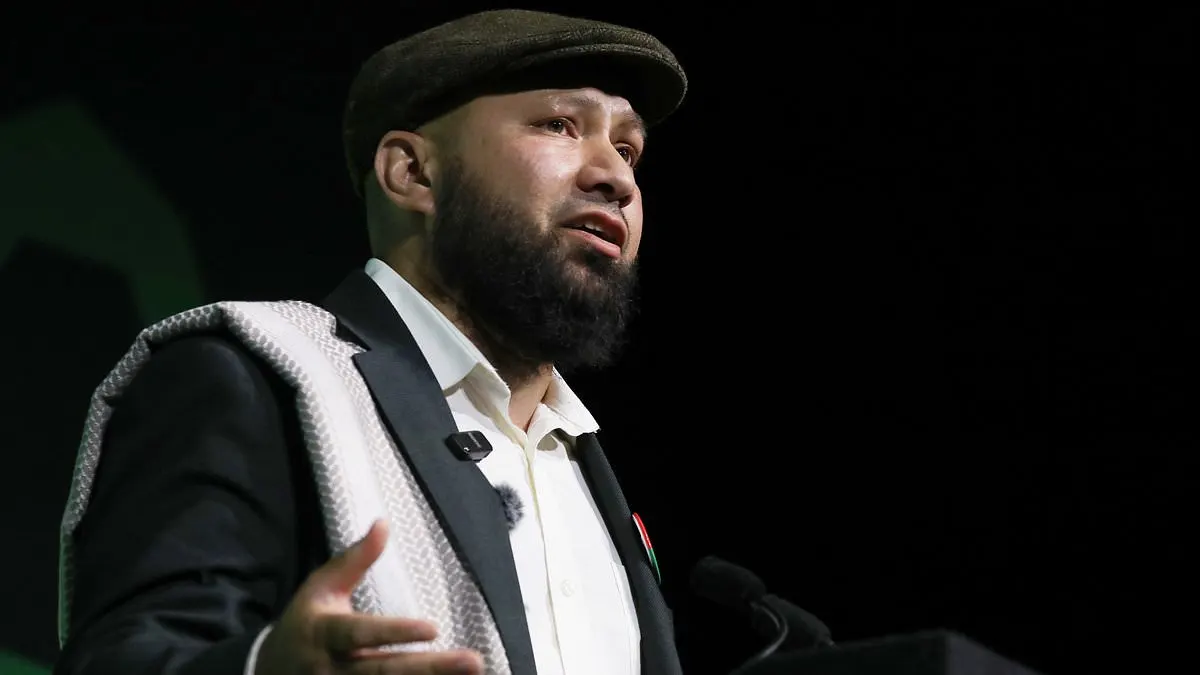
Green Party deputy leader Mothin Ali declared himself "as English as a Yorkshire cup of tea" at the party's conference in Brighton on Saturday, directly rebutting claims by Reform MP Suella Braverman that British Asians cannot be English. Braverman, a former Conservative home secretary who defected to Reform, stated on BBC's Question Time this week that she identifies as "British of Asian ethnicity" rather than English because of her family's heritage. The dispute reflects a significant national conversation about what constitutes English identity in a multicultural society.
Former Prime Minister Rishi Sunak criticised Braverman's stance, warning it represents a "very slippery slope" that reduces nationality to "a DNA test". Ali, a Leeds councillor of Bangladeshi descent, also used his conference speech to call on Prime Minister Andy Burnham to declare a "national emergency" on racist violence and intimidation, arguing that protecting equal rights to belong is essential to democracy. The Green Party conference is further overshadowed by internal controversy over a motion to declare "Zionism is racism", which former party leaders Caroline Lucas and Adrian Ramsay have criticised as divisive.
- Green deputy Mothin Ali rejects Suella Braverman's claim that British Asians cannot be English.
- Braverman said she identifies as British of Asian ethnicity, not English, due to heritage.
- Former PM Sunak warns against turning national identity into "a DNA test".
New here? Start with this
Britain is currently debating whether people of Asian descent born and raised in the country can consider themselves English. The discussion began when Suella Braverman, a Reform MP and former Conservative home secretary, stated on television that she does not identify as English but rather as "British of Asian ethnicity" because of her family's heritage.
Braverman's view is that family background prevents her from claiming English identity. Others disagree, arguing that being born in England and living there should make someone English regardless of ethnic heritage. Former Prime Minister Rishi Sunak has criticised this position, saying it reduces nationality to a "DNA test" and represents a dangerous approach.
The debate matters because it goes to the heart of how Britain understands itself and who belongs within it. In an increasingly diverse society, the question of what makes someone English—rather than just British—touches on inclusion, belonging, and national identity for millions of people.
Both sides, in good faith
The strongest fair case each way — we don't pick a winner.
The case for
English identity should be understood as fundamentally civic, rooted in residence, citizenship, and cultural participation rather than ethnicity or ancestry. Anyone born in England and identifying with English culture is English, regardless of their family background. In a multicultural society, national identity must be open and inclusive, defined by shared values and belonging rather than heritage. To suggest otherwise reduces nationality to criteria beyond individuals' control and creates divisive hierarchies within the nation.
The case against
English identity is substantially rooted in England's particular history, culture, and heritage as it has developed over centuries. Those of Asian or other non-English ethnic backgrounds, whilst being full British citizens with equal rights, more accurately describe themselves as 'British of Asian ethnicity' rather than simply 'English'. This distinction is not about denying rights or belonging to Britain, but about acknowledging meaningful cultural inheritances and identities. Recognising these differences enriches understanding of British diversity rather than diminishing it.