Imagine a world without Wagner … it’s not easy, but let’s try
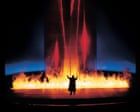
Marking the 150th anniversary of the Bayreuth festival, Guardian critic Tom Service reflects on Richard Wagner's colossal and lasting influence over classical music and Western culture, before undertaking a playful thought experiment: what would have happened had Wagner never existed? The piece argues that Wagner's impact — spanning stagecraft, philosophy, cultural politics and the darker legacy of the antisemitism carried forward by his followers — is so pervasive that imagining his absence proves almost impossible, which is precisely the point of the exercise.
The inaugural Bayreuth festival opened on 13 August 1876 with the first complete cycle of Der Ring des Nibelungen at Wagner's purpose-built Festspielhaus in Bavaria, before an audience of royalty, aristocracy and leading artists including Tchaikovsky, Grieg, Bruckner and Liszt. Service speculates that in Wagner's absence Franz Liszt and his Weimar circle might have led the musical vanguard, a wider diversity of national voices could have flourished, and figures such as Debussy and Stravinsky would have lacked so forceful an influence to react against. He also notes the sombre historical dimension — no Bayreuth as a "temple" for Hitler — and concludes that the true beneficiary would have been Brahms, whose temperament and opposition to rising antisemitism represented a radically different sensibility.
- Bayreuth festival turns 150, prompting reflection on Wagner's vast influence.
- The first festival opened on 13 August 1876 with the complete Ring cycle.
- Without Wagner, Liszt and especially Brahms might have led music instead.