‘In this new car, I feel patronised’: which driver assistance systems actually improve safety?
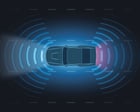
A writer test-driving a new car fitted with advanced driver-assistance systems (Adas) — including lane-keeping assist, fatigue monitoring and autonomous emergency braking (AEB) — describes feeling constantly overridden and "patronised" by beeps, haptic wheel tugs and speed warnings, some of which are poorly calibrated (mistaking sunglasses or spirited mountain driving for drowsiness or impairment). Despite this frustration, growing evidence suggests such systems genuinely improve road safety, which matters as governments move to mandate them even though real-world quirks and false interventions remain unresolved.
Australia's road death rate has fallen from 26.6 per 100,000 people in 1975 to 4.7 today, a shift researchers partly credit to Adas uptake. Monash University's Accident Research Centre found distraction and drowsiness contribute to roughly 40% of hospital-treated crashes in Victoria, and Associate Professor Michael Fitzharris estimates Adas technology, including AEB, could prevent 40,000 serious injuries over 30 years if adopted across the state's vehicle fleet. Australia's federal government will mandate lane-keeping assist and AEB on all imported passenger vehicles from 1 March 2029, though large US utes are exempt. The writer also recounts a 2022 incident where AEB braked hard and unnecessarily on a bend, nearly causing a crash, illustrating the technology's current limitations.
- Driver-assistance tech like AEB and lane-keeping can feel intrusive or wrong
- Evidence shows such systems cut serious crashes and road deaths significantly
- Australia will mandate AEB and lane-keeping assist from March 2029