Indian opposition MPs detained in protest against election chief
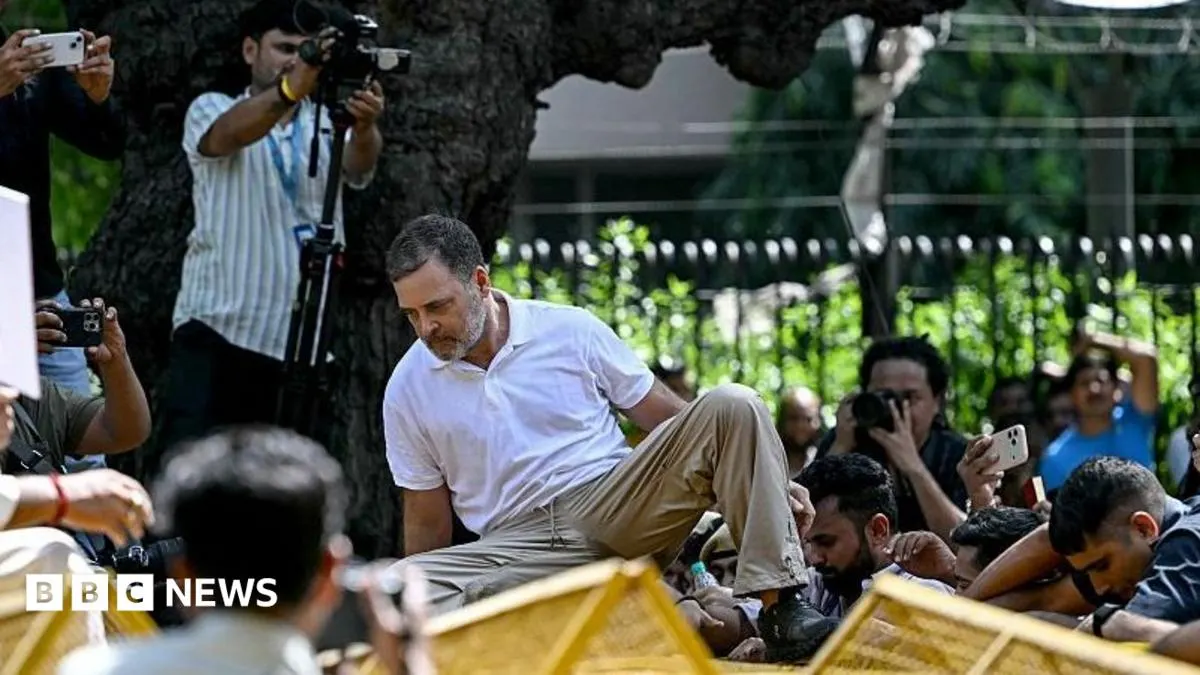
Police in Delhi detained several opposition MPs, including Rahul Gandhi and Priyanka Gandhi, as they marched towards the Election Commission headquarters to demand Chief Election Commissioner Gyanesh Kumar’s resignation. The lawmakers were released shortly afterwards and resumed their march, holding a sit-in; the protest marks an escalation of opposition criticism over a nationwide voter roll revision.
Opposition parties say the revision could wrongly remove eligible voters and benefit Prime Minister Narendra Modi’s BJP, allegations the party and Election Commission deny. The Commission says the process is intended to remove duplicate and ineligible entries, but more than 130 million names have been removed from draft rolls so far. The opposition said 237 MPs joined the march, and Congress president Mallikarjun Kharge called for Kumar’s resignation, cancellation of the revision and a return to paper ballots.
- Delhi police detained opposition MPs marching against the election chief.
- The opposition says voter roll changes may exclude eligible voters.
- More than 130 million names have been removed from draft rolls.
New here? Start with this
India holds elections every few years to determine which party controls the national government, currently led by Prime Minister Narendra Modi's BJP. The Election Commission is the independent body responsible for managing these elections and maintaining the voter rolls, the official lists of people eligible to vote. The organisation is now facing criticism over a major revision of these rolls being conducted nationwide.
The opposition parties, principally the Congress party led by Mallikarjun Kharge and including prominent figures such as Rahul Gandhi and his sister Priyanka Gandhi, claim the revision is being used to remove voters who would likely support them. The government and Election Commission say the process is simply removing duplicate registrations and ineligible entries, a routine maintenance task. Over 130 million names have so far been removed from draft rolls, a figure that has alarmed opposition politicians.
This matters because electoral integrity is central to democracy, and India is the world's most populous country with a democratic system. Whether the revision is politically motivated or a necessary administrative exercise could significantly affect the outcome of future elections. The detention of opposition MPs and their public protest demonstrates the issue has become a major political flashpoint in India.
Both sides, in good faith
The strongest fair case each way — we don't pick a winner.
The case for
The opposition contends that removing over 130 million names from voter rolls represents an unprecedented scale that could wrongly disenfranchise millions of eligible voters during a politically sensitive period, with the burden falling disproportionately in opposition-held regions. They argue that the Election Commission must remain independent and accountable to Parliament, and that demanding transparency, the Commissioner's resignation and a return to verifiable paper ballots is legitimate democratic oversight when electoral integrity is questioned.
The case against
The government and Election Commission argue that removing duplicate entries and ineligible voters is a routine administrative necessity that maintains electoral integrity, as voter rolls inevitably accumulate errors from deaths, migrations and duplicate registrations over time. They contend the revision process is technical and transparent rather than political, and that accepting unsubstantiated allegations of bias to force a resignation would compromise the Commission's independence and establish a dangerous precedent of allowing political pressure to override legitimate administrative procedures.