Delhi police face harassment allegations from journalists at voter roll protests
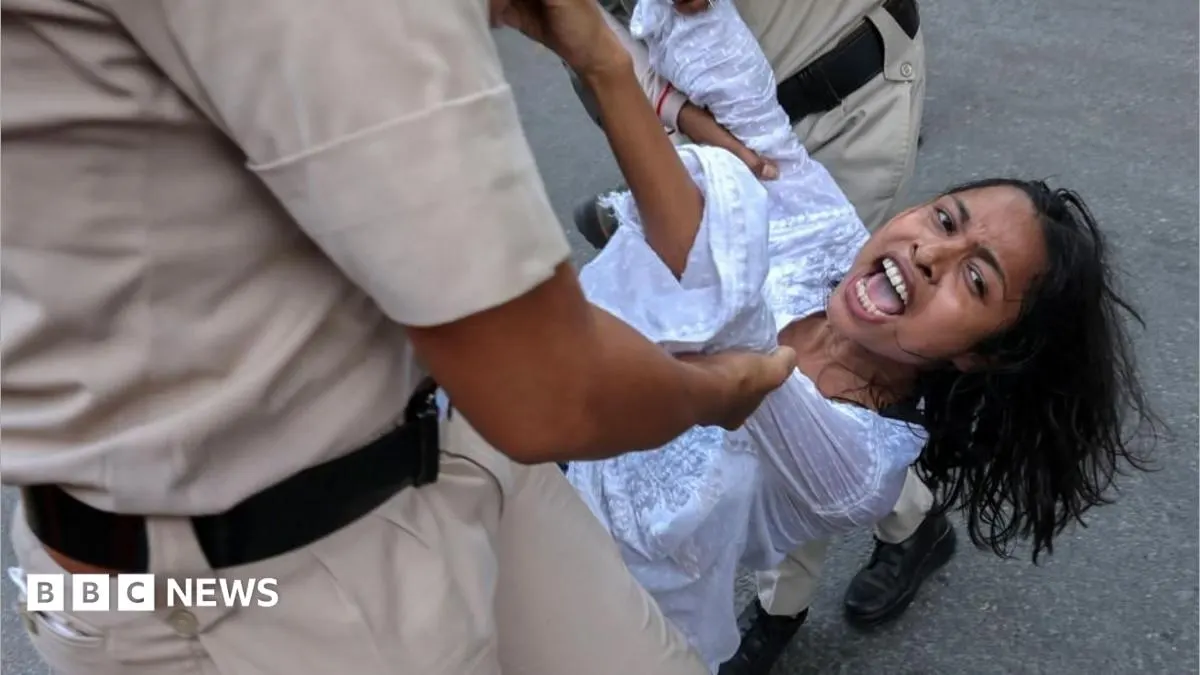
Three female journalists have accused Delhi police officers of sexual harassment during protests against changes to India’s voter rolls. Police say the complaint has been referred to the crime branch for an impartial inquiry, while opposition leader Rahul Gandhi has called on the home ministry to answer for women’s safety.
Thousands of people gathered in Delhi and Mumbai for a third day on Sunday, demanding the resignation of Chief Election Commissioner Gyanesh Kumar. The Election Commission says its revision aims to remove duplicate and ineligible entries; about 130 million names have been removed so far. Protesters say the changes could benefit Prime Minister Narendra Modi’s party, while the Commission says decisions were unanimous.
- Three journalists allege sexual harassment by Delhi police during protests.
- Thousands are demanding the chief election commissioner resign.
- About 130 million names have been removed from voter rolls.
New here? Start with this
India's election authorities have begun revising the country's voter rolls, removing what they say are duplicate and ineligible entries—about 130 million names in total. Large protest rallies have erupted across cities including Delhi and Mumbai, with demonstrators questioning whether these changes could unfairly advantage the ruling party and demanding the resignation of the Chief Election Commissioner.
Three female journalists covering these protests have reported that Delhi police officers sexually harassed them during the demonstrations. The police force has referred the allegations to its crime branch for investigation, whilst opposition figures have raised concerns about women's safety and called for accountability from India's home ministry.
The dispute reflects broader tensions in India around electoral integrity and protest rights. The Election Commission maintains its voter roll decisions were made unanimously and aim to clean up administrative errors, though critics fear the changes could suppress voter participation or introduce bias.
Both sides, in good faith
The strongest fair case each way — we don't pick a winner.
The case for
These allegations against police officers represent a critical threat to press freedom and democratic accountability. Women journalists covering protests face particular vulnerability and deserve institutional protection. Independent investigation is essential because police investigating themselves cannot inspire public confidence. Addressing this abuse of power demands immediate reform and accountability measures to protect the press's ability to report on public issues.
The case against
Allegations are serious and must be thoroughly investigated, but institutional legitimacy depends on fair procedures rather than reactive judgements. The police have appropriately referred the matter to their crime branch for investigation. Establishing guilt and determining appropriate responses must follow proper inquiry into the facts. Abandoning standard procedures, even for serious allegations, risks compromising institutional integrity and the rule of law.
Read the full article at the source →
Originally published by BBC World as “Indian police accused of sexual harassment against journalists at protest”.