Inside the dangerous US mission that cleared Iran’s mines from Hormuz shipping lanes
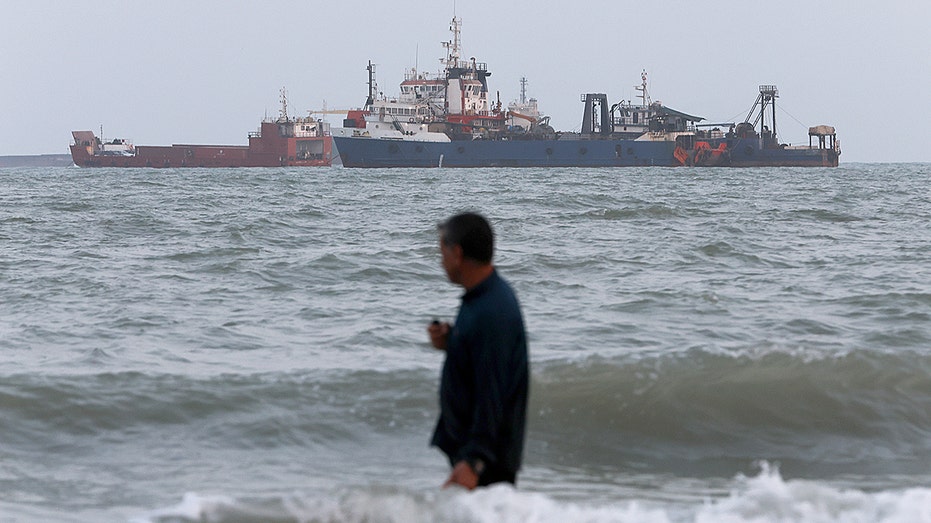
US Central Command commander Adm. Brad Cooper has given the fullest public account yet of a months-long operation to clear Iranian sea mines from the Strait of Hormuz's international shipping lanes, following President Trump's earlier claim that all mines had been removed or detonated. The waterway remains vital to global trade, but hazards persist beyond the cleared routes: it is still rated a "SEVERE" threat, tankers near Oman have recently been attacked, and oil flows remain well below prewar levels, meaning the clearance is a significant but partial step towards restoring normal shipping.
Cooper said forces used Navy divers, Navy SEALs and air power from the Army, Navy, Air Force and Marine Corps to clear mines laid by Iran's Islamic Revolutionary Guard Corps from the Strait's Traffic Separation Scheme, the designated lanes used by commercial vessels. The mission came as the Navy was overhauling its mine-warfare capability, having retired its four Bahrain-based mine countermeasure ships the previous year while newer unmanned systems were still being introduced, leaving capacity at what one analyst called a "nadir". Former 5th Fleet commander Kevin Donegan explained that clearance relies on unmanned systems and divers to detect and neutralise mines, with statistical models used to drive detection probability close to 100% before a route is declared safe.
- US forces cleared Iranian mines from Hormuz's key shipping lanes
- Strait still rated "SEVERE" threat despite the clearance
- Navy divers, SEALs and air power carried out the operation
New here? Start with this
Iran laid mines in the Strait of Hormuz, a narrow waterway that carries a large share of the world's seaborne oil, during recent tensions with the United States. US forces spent months quietly working to clear those mines from the shipping lanes used by commercial vessels, and Admiral Brad Cooper, head of US Central Command, has now spoken publicly in detail about how that operation was carried out.
The clearance effort involved Navy divers, Navy SEALs and aircraft from several branches of the US military, and took place at a time when the Navy's dedicated minesweeping ships had recently been retired from the region, with newer robotic systems only partly ready to replace them. Iran's Revolutionary Guard Corps, the branch of its military accused of laying the mines, is central to why the operation was considered so risky.
The Strait of Hormuz matters because a large amount of the world's oil passes through it, so any disruption can affect global energy markets. Although the main shipping lanes have now been cleared, the surrounding waters are still considered highly dangerous, recent attacks on tankers have occurred nearby, and oil traffic through the strait has not returned to the levels seen before the tensions began.
Both sides, in good faith
The strongest fair case each way — we don't pick a winner.
The case for
Advocates of the Navy's modernisation approach argue that retiring the ageing Bahrain-based mine countermeasure ships was a necessary step towards a more capable and sustainable fleet built around unmanned systems and divers, rather than clinging to obsolete platforms for their own sake. They contend that all military transitions carry a period of reduced capacity, and that the successful clearance of the Traffic Separation Scheme, achieved despite the timing, vindicates the judgement that newer technology would ultimately deliver superior detection and neutralisation capability. In their view, the mission's success shows the transition was managed competently even under pressure, and that investing in the future of mine warfare was the responsible long-term choice.
The case against
Critics argue that decommissioning proven mine countermeasure ships before their unmanned replacements were fully operational left US and allied forces exposed at precisely the moment such capability was most needed, a gap one analyst bluntly described as a 'nadir'. They would say that risking a critical capability shortfall in one of the world's most strategically vital and mine-threatened waterways reflects poor sequencing and insufficient contingency planning, regardless of how the operation ultimately turned out. From this perspective, the fact that divers and SEALs had to compensate under dangerous conditions, and that the Strait remains rated a 'SEVERE' threat with ongoing attacks near Oman, suggests the modernisation timeline should have been more cautious and better resourced before legacy assets were retired.