“Interesting to a lot of people”: the 1981 Blondie classic Debbie Harry bashed as “not really very good”
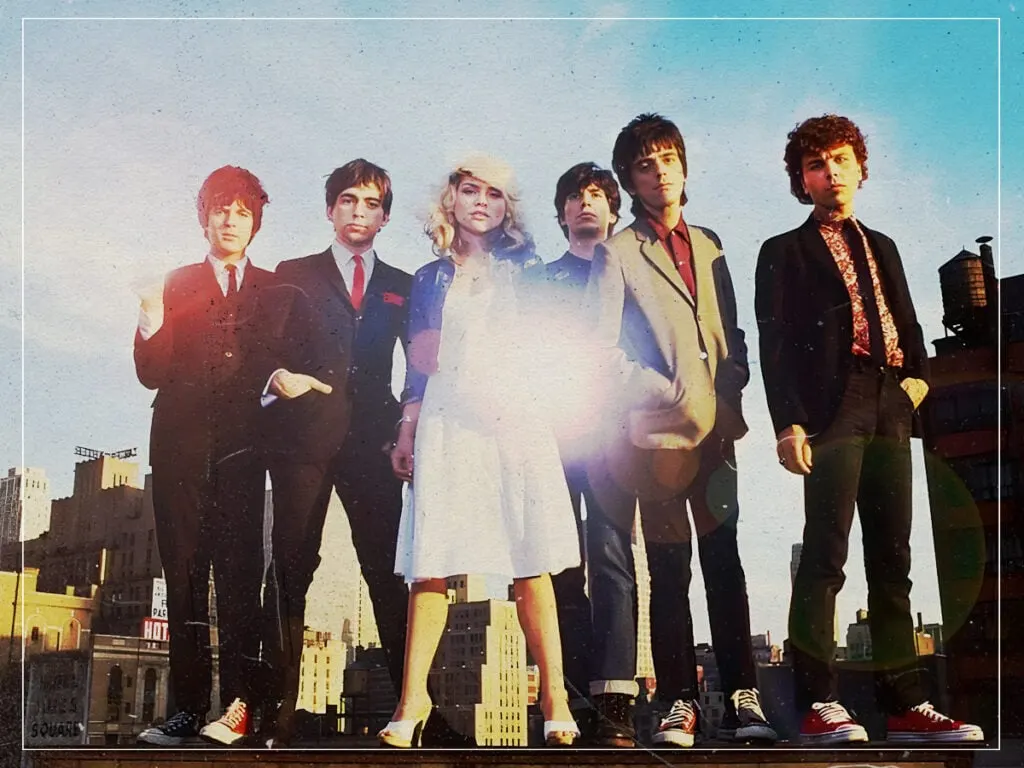
Debbie Harry and Blondie's 1981 hit "Rapture" became a watershed moment, introducing hip hop to mainstream audiences and becoming many listeners' first encounter with the emerging genre. Yet Harry has since been dismissive of the track, telling the Red Bull Music Academy in 2013 that it was "not really very good", though she acknowledged its cultural significance and role in hip hop's rise.
The song emerged from Blondie's genuine engagement with New York's early hip hop scene, after Harry and bandmate Chris Stein were invited by pioneering DJ Fab 5 Freddy to South Bronx rap parties. "Rapture" topped the Billboard Hot 100 and notably featured original music rather than sampling existing tracks, distinguishing it from contemporary hip hop that heavily borrowed from artists like Chic. Whilst Harry's own rap delivery was modest compared to peers like Kurtis Blow, the song served as a sincere tribute to the underground scene Blondie genuinely loved.
- First rap song with original music, not samples
- Debbie Harry later dismissed "Rapture" as "not really very good"
- Song introduced hip hop to millions, topped Billboard Hot 100
New here? Start with this
"Rapture" was a 1981 hit by Blondie that introduced many listeners to hip hop music for the first time. The song became culturally significant as it brought the emerging genre to mainstream audiences.
The track came from Blondie's genuine engagement with New York's early hip hop scene. Band members Debbie Harry and Chris Stein had been invited by pioneering DJ Fab 5 Freddy to hip hop parties in the South Bronx, experiences that inspired them to create the song.
"Rapture" topped the Billboard charts and featured original music rather than the samples that defined much hip hop at the time. The song exposed Blondie's mainstream rock audience to the South Bronx hip hop scene where the band had spent time.
Both sides, in good faith
The strongest fair case each way — we don't pick a winner.
The case for
Those defending 'Rapture' as artistically sound argue that the song represents authentic creative engagement with an emerging art form, achieved genuine commercial dominance by connecting with mass audiences, and featured original composition rather than mere sampling. Its role as a watershed cultural moment—introducing hip hop to the mainstream and breaking barriers between underground and established pop—constitutes real artistic achievement, and the sincerity of Blondie's participation in New York's early hip hop scene demonstrates this was not exploitative novelty-seeking but genuine artistic contribution.
The case against
Those supporting Harry's critical dismissal contend that cultural significance and commercial success do not equate to artistic merit. The song's rap delivery was modest by contemporary standards, suggesting mainstream audiences responded to novelty and hip hop's emerging appeal rather than to the song's quality itself. A work can be historically important and interesting whilst remaining technically or artistically mediocre, and Harry's own assessment—from someone centrally involved in its creation—represents a valid artistic judgment that transcends nostalgia and commercial considerations.