Iran’s biggest weapon against the US may be slipping away, experts say
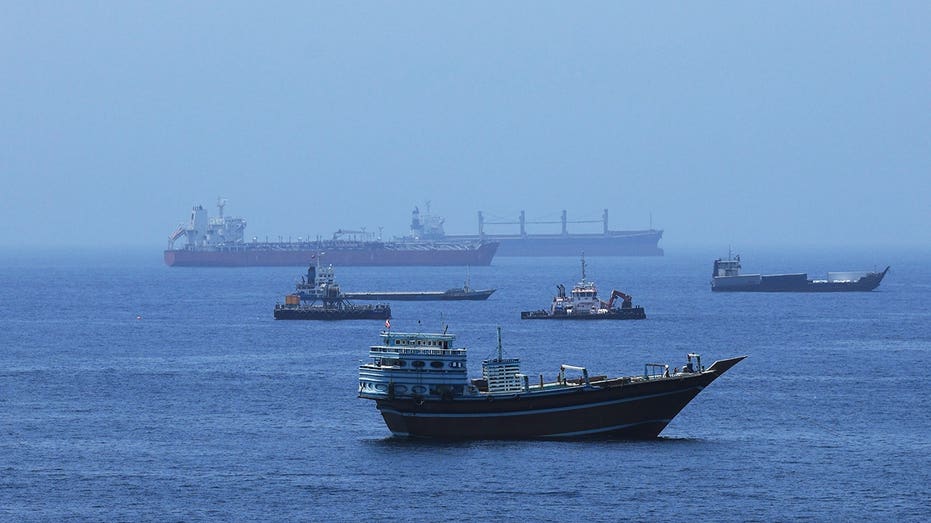
Iran's recent attacks on commercial shipping in the Strait of Hormuz pushed oil prices sharply higher, demonstrating that Tehran can still unsettle global energy markets. However, the article argues that Iran's long-term ability to weaponise the strategic waterway as economic leverage over Washington may be steadily eroding, thanks to growing global oil production, alternative export routes and shifting shipping patterns. This matters because the Strait of Hormuz has long been regarded as one of Iran's most potent bargaining tools against the United States.
The renewed attacks prompted President Donald Trump to declare the US–Iran memorandum of understanding and ceasefire "over", while warning he could reimpose a naval blockade if strikes on shipping continued. Vice President JD Vance had earlier, in late June, linked the negotiations directly to global oil supplies, describing the MoU as a means to "refill the world's oil economy". Meanwhile, the US Energy Information Administration forecast that worldwide crude production and trade flows would return to near pre-conflict levels by the end of the year, with most shut-in output resuming in early 2027, as OPEC+ raises production and Gulf producers restore capacity.
- Iran's Strait of Hormuz leverage over oil prices may be weakening.
- Recent attacks on shipping still triggered a short-term price spike.
- Trump declared the ceasefire over and threatened a naval blockade.