Is an air-conditioning revolution coming to Europe?
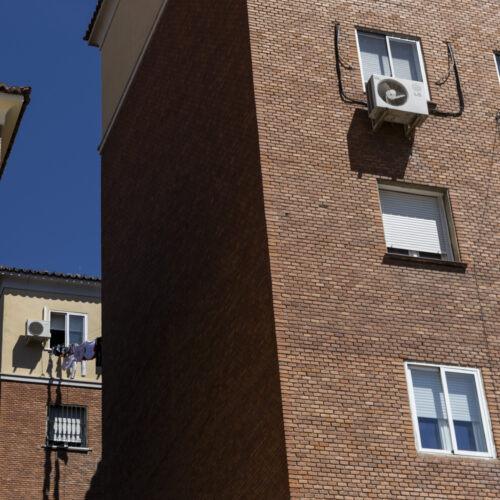
Record-breaking heat waves that pushed temperatures above 40°C across Europe in late June have intensified the debate over whether the continent should embrace air-conditioning, with shoppers in France reportedly forcing their way into stores to grab fans and portable units. The issue matters because Europe is warming faster than any other continent, cooling is increasingly a matter of health and productivity rather than mere comfort, and the technology has become entangled in political culture wars — with figures such as Marine Le Pen and the British Conservatives championing it, while critics on the left warn it mainly benefits the wealthy and could lock Europe into an energy-intensive cooling spiral.
Currently only around 20 percent of Europeans (and just 4 percent in the UK) have home air-conditioning, against roughly 90 percent in the US, yet the IEA predicts two-thirds of households worldwide could own a unit by 2050, potentially more than tripling electricity demand for cooling. Air-conditioning already accounts for about 3 percent of global greenhouse emissions — more than aviation — and conventional units rely on problematic refrigerants such as fluorinated gases, which the EU began phasing out in 2024. In response, researchers are pursuing refrigerant-free "solid-state" alternatives, including an EU-funded project at Saarland University using nickel-titanium that produces an "elastocaloric" cooling effect, cooling rooms by 5–10°C and potentially more efficiently than today's systems, with deployment in new buildings hoped for within a few years.