Israelis demand accountability over 7 October failures three years after attacks
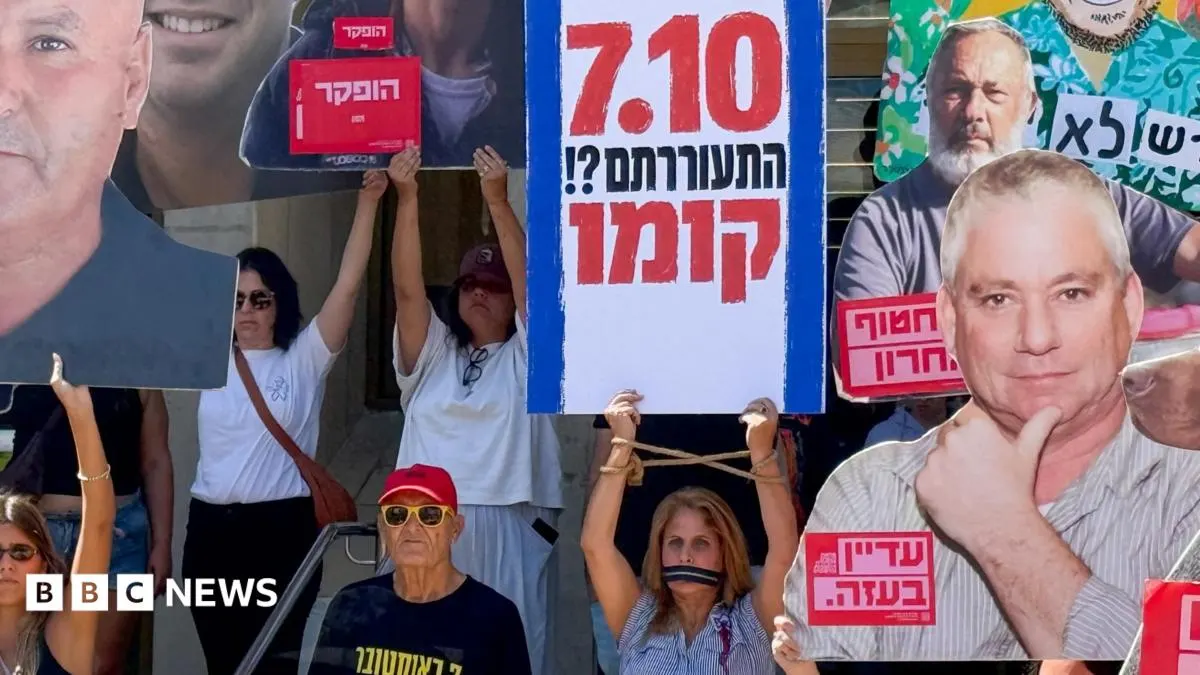
Three years after the 7 October 2023 Hamas attacks killed about 1,200 Israelis and led to 251 hostages being taken, survivors and bereaved families are demanding a formal inquiry into the country's security failures. The attacks have been described as Israel's deadliest since its creation in 1948, yet no independent state investigation has been launched, and Prime Minister Benjamin Netanyahu, who was in charge during the intelligence failure, remains in office and is running for election again.
Intelligence officials and soldiers posted along the Gaza border warned of suspicious preparations in the months before the attack, but these warnings appear to have been disregarded. There are also allegations that Netanyahu received warnings from regional allies, including the United Arab Emirates, about potential Hamas activity shortly before the attacks, though he has flatly denied this. Growing questions surround not only what Netanyahu knew and when he knew it, but also what intelligence was passed to military and political leaders in the run-up to the assaults on communities like Kfar Aza, where 64 residents were killed and 19 taken hostage.
- No independent inquiry into Israel's security failure three years after 7 October
- Netanyahu denies warnings from soldiers and allies, running for re-election
- Survivors demanding accountability for intelligence failures that went unheeded
New here? Start with this
On 7 October 2023, Palestinian militant group Hamas launched a major assault on Israel, killing around 1,200 people and taking 251 hostages. The attack was the deadliest day in Israel's history since the country was founded in 1948.
Three years later, survivors and families of those killed are demanding a formal investigation into security failures that allowed the attack to happen. Despite the scale of the catastrophe, no independent state inquiry has been launched, and Prime Minister Benjamin Netanyahu, who held office at the time, remains in power.
Evidence suggests that military and intelligence officials had warned of suspicious activity along the Gaza border in the months before the attack, but these warnings appear to have been overlooked. There are also questions about whether Netanyahu received advance warnings from regional allies, though he has denied this, raising broader questions about what happened at the highest levels of government.
Both sides, in good faith
The strongest fair case each way — we don't pick a winner.
The case for
Those calling for an independent inquiry argue that understanding security failures of this magnitude is essential for democratic accountability and public trust. They contend that when over 1,200 citizens were killed partly due to intelligence warnings that were reportedly disregarded, there is a fundamental right to a transparent, impartial investigation into what happened and who bears responsibility. Such accountability, they argue, serves Israel's long-term security interests by identifying systemic weaknesses and ensuring leaders face consequences for negligence, ultimately strengthening rather than weakening national institutions.
The case against
Those cautious about a formal inquiry during this period worry that extensive political investigation could compromise operational security, expose intelligence methods and vulnerabilities to adversaries, and divert resources from ongoing military priorities. They argue that existing military and security reviews can identify and address technical failures without the divisiveness of a formal commission, and that judging complex intelligence decisions retrospectively, with perfect hindsight, risks unfairly holding decision-makers accountable for choices made under extreme uncertainty and pressure with incomplete information.