“It’s a statement. It’s revenge.” The story behind Death’s 1991 genre-defining album Human
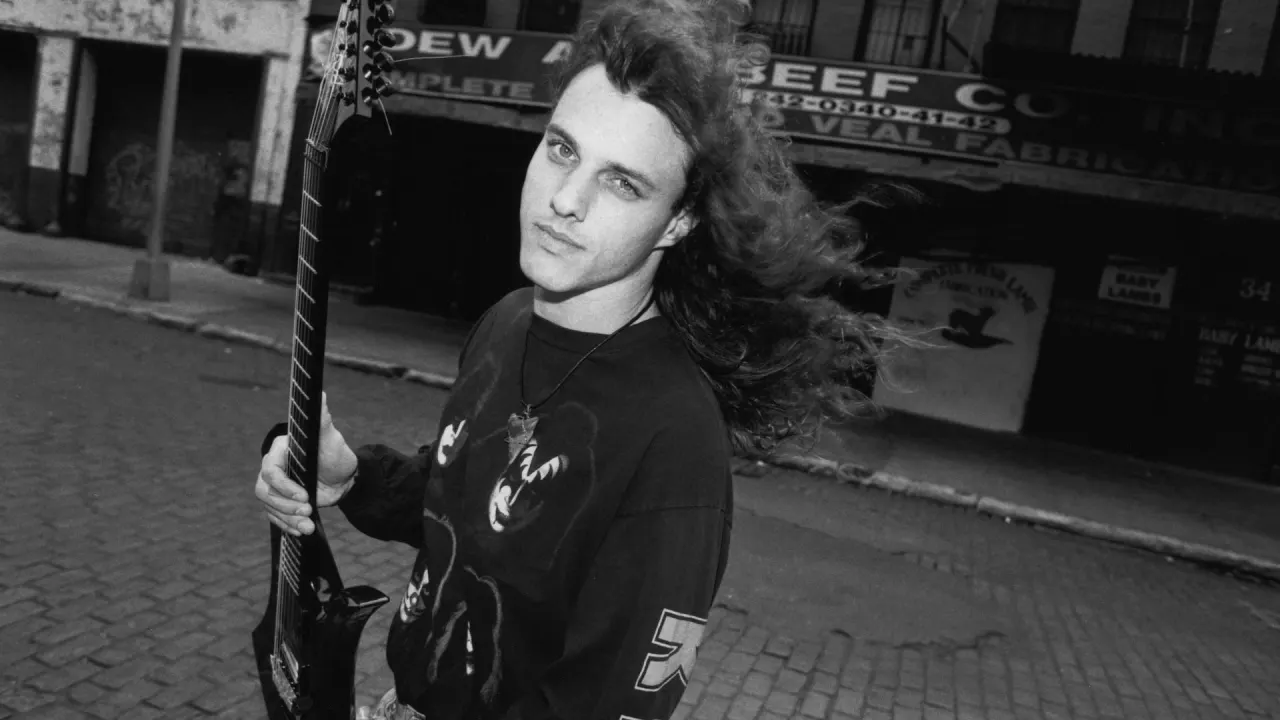
Death's landmark 1991 album Human emerged from turbulent circumstances surrounding frontman Chuck Schuldiner's bitter split with bandmates. After Schuldiner withdrew from Kreator's European tour in October 1990, guitarists Terry Butler and Bill Andrews completed the dates with replacements and reportedly encouraged crowds to chant against their absent leader. Schuldiner fired both upon their return and assembled a new lineup, channelling his anger into prolific songwriting that would reshape death metal's sound.
The new band comprised Paul Masvidal and Sean Reinert from progressive metal outfit Cynic, alongside Sadus bassist Steve DiGiorgio. Whilst rehearsing in Miami, the group witnessed a fatal motorcycle accident with one person dead and another dying, an experience that profoundly influenced the album's conceptual direction. Schuldiner described his reinvigorated band as composed of "real people who are very professional" as the four prepared to record with producer Scott Burns in Tampa, with the album emerging as a genre-defining work shaped by both personal betrayal and raw trauma.
- Chuck Schuldiner reassembled Death after firing bandmates over a 1990 tour betrayal.
- The album was influenced by witnessing a fatal motorcycle accident whilst rehearsing.
- Human became death metal's genre-defining record from tragedy and revenge.
New here? Start with this
Death is a metal band fronted by Chuck Schuldiner. In 1991, the group released an album called Human that became one of the most influential records in metal music and fundamentally changed the sound of the death metal genre.
The album came into being during a troubled time for the band. Schuldiner had recently parted ways with two guitarists, Terry Butler and Bill Andrews, following tensions that emerged during a tour in 1990. He recruited new musicians including members from another band called Cynic, and they began working together on the new record.
During the recording process in Florida, the band witnessed a fatal motorcycle accident that left a lasting impression on them. This traumatic experience, combined with Schuldiner's frustration from the recent conflicts within the group, shaped the direction and emotional tone of the album.