Cornell assault allegations risk prejudging seven students before inquiry
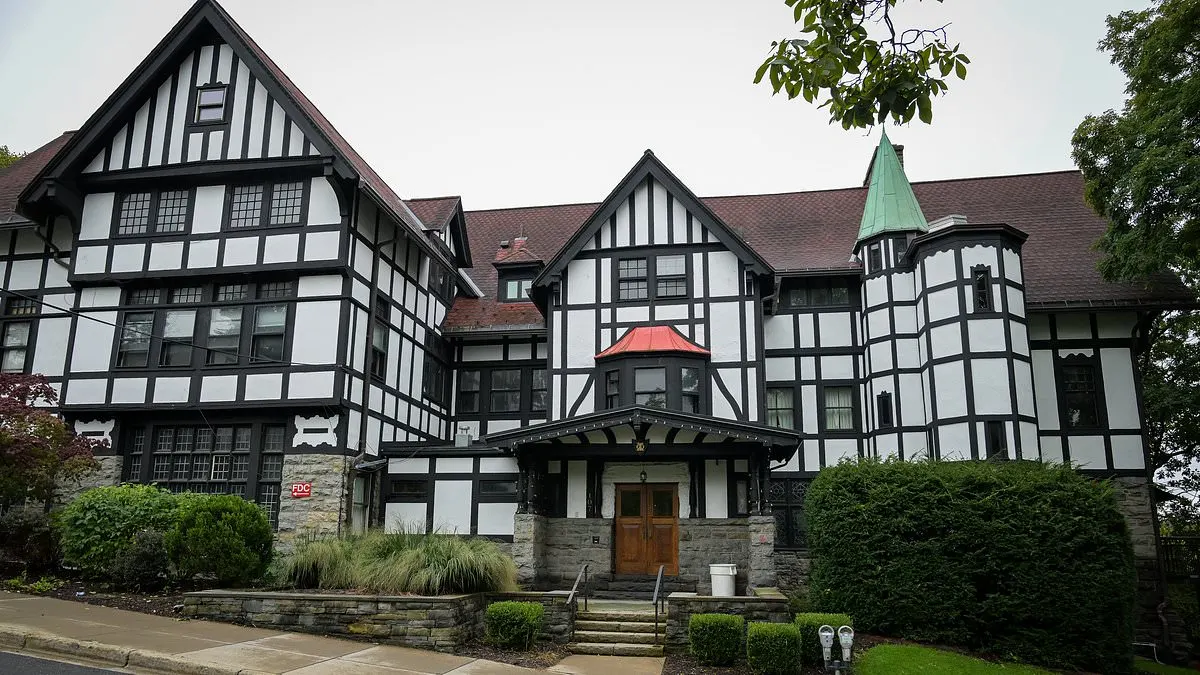
The article argues that public figures and politicians have prejudged seven Cornell students accused of drugging and sexually assaulting a former student, before the investigation has established what happened. It criticises New York Governor Kathy Hochul’s decision to appoint Attorney General Letitia James as special prosecutor, portraying it as political theatre that could undermine a fair inquiry.
The woman’s civil lawsuit alleges she was forcibly given ketamine and raped by fraternity members over several hours at a party on 19 October 2024; the allegations have not been proven. The article cites reported messages from that night and later exchanges, including an apology from one student and the woman’s alleged reply that the sexual activity was not illegal, as well as recollections from her roommate. These accounts provide context but do not by themselves settle whether a crime occurred.
- Seven Cornell students face unproven allegations of drugging and sexual assault.
- New York has appointed a special prosecutor to investigate.
- The article warns against deciding guilt before the evidence is tested.
New here? Start with this
In October 2024, a woman alleged she was drugged and raped by seven Cornell University students at a party. She has since filed a civil lawsuit making these allegations, which remain unproven as an investigation is ongoing.
The article raises concerns about whether politicians and public figures are prejudging the students' guilt before an investigation has established what actually happened. New York's Governor appointed the state Attorney General as special prosecutor in the case, which the article suggests could prejudge the outcome rather than ensure a fair process.
The case highlights the tension between public demand for swift action on sexual assault allegations and the principle that those accused deserve a fair process before guilt is determined. Some messages exchanged between those involved have become public, but they alone cannot establish whether a crime occurred.
Both sides, in good faith
The strongest fair case each way — we don't pick a winner.
The case for
These seven students have rights to a fair inquiry based on evidence rather than political signals. When high-level officials intervene and appoint special prosecutors before investigation concludes, they risk signalling predetermined guilt and contaminating the impartiality necessary for legitimate process. An inquiry that appears to prejudge outcomes cannot provide genuine justice to either the accused or the alleged victim. Truly fair accountability requires investigation free from governmental pressure that suggests conclusions have already been reached.
The case against
A state-level response demonstrates that serious allegations of drugging and sexual assault will receive genuine scrutiny rather than being managed away by institutional interests. Historically, institutional silence on such allegations has protected perpetrators whilst victims receive nothing; visible accountability is necessary to break this pattern. The alleged victim's willingness to come forward reflects an expectation that powerful institutions will take her allegations seriously. Without demonstrating seriousness through visible institutional intervention, survivors lose faith that powerful students will face genuine accountability.
Read the full article at the source →
Originally published by Daily Mail as “It’s a travesty but the Cornell 7 gang rape case has already been decided: MAUREEN CALLAHAN”.