John Cena’s Hollywood warmth contrasts with loyalty to Vince McMahon
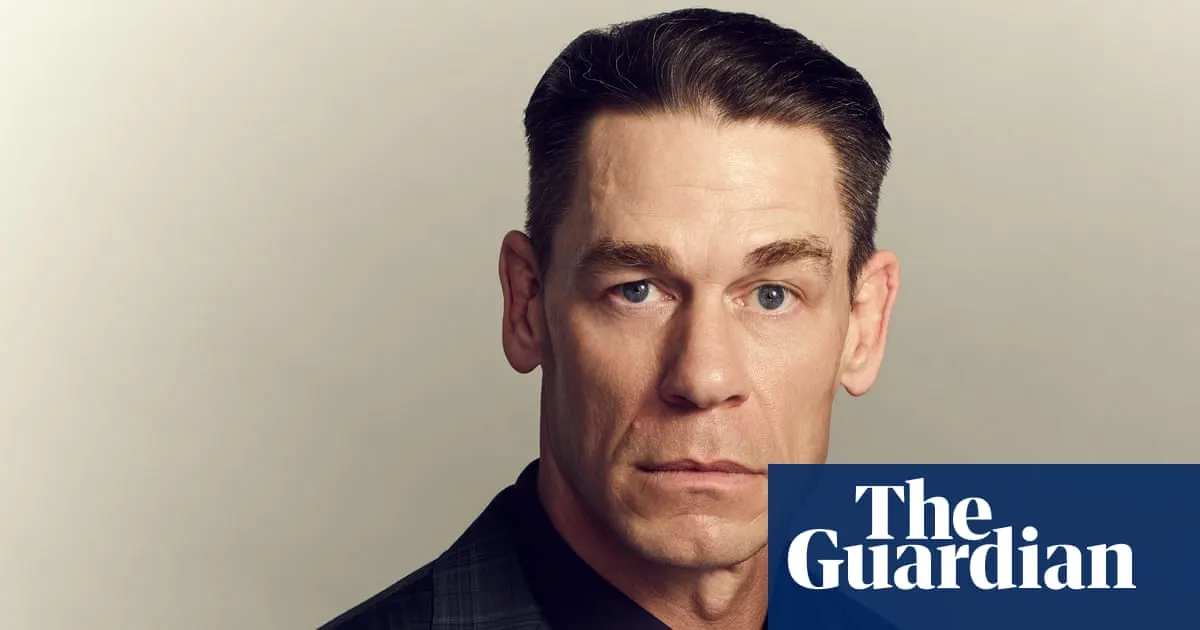
John Cena has built a Hollywood career by playing amiable, often foolish characters with warmth, while maintaining a close connection to professional wrestling. The article explores whether his loyalty to WWE and its former boss, Vince McMahon, could damage his public image, given the serious allegations against McMahon.
McMahon resigned from WWE and its parent company in January 2024 after sexual assault allegations and lawsuits, including a claim by former employee Janel Grant; he denies the allegations, and the case has moved to confidential arbitration. Cena says he feels no shame about his friendship with McMahon, who mentored him and supported his career, arguing that it is possible to love someone who is imperfect. At 49, and recently retired after 26 years of wrestling, Cena is promoting *Matchbox: The Movie*.
- John Cena says he will not disown his friendship with Vince McMahon.
- McMahon denies allegations made in lawsuits, including by Janel Grant.
- Cena’s loyalty may complicate his carefully built Hollywood image.
New here? Start with this
John Cena is a professional wrestler who has built a successful Hollywood career playing warm, friendly characters. He recently retired after 26 years in professional wrestling and is promoting a new film. His public image is built largely on warmth and likability.
Vince McMahon created WWE (World Wrestling Entertainment) and ran the company for decades before resigning in January 2024. He stepped down following allegations of sexual assault and misconduct, including a lawsuit from former employee Janel Grant. McMahon denies the claims, and the legal case has moved to private arbitration.
The issue at the heart of this story is that Cena has publicly expressed loyalty to McMahon despite the allegations. Cena says he feels no shame about their friendship and notes that McMahon mentored him throughout his career, arguing that people can be flawed yet worth caring for. This position has prompted questions about whether it might conflict with the friendly image he has cultivated in Hollywood.
Both sides, in good faith
The strongest fair case each way — we don't pick a winner.
The case for
Cena's position reflects a mature understanding that human relationships are complex and personal loyalty need not depend on institutional agreement. McMahon mentored him, supported his career transition, and helped make Cena who he is; gratitude for this role is entirely reasonable despite the allegations McMahon faces. The allegations are serious, but McMahon denies them and the proceedings are now confidential, meaning there has been no adjudication of guilt. Cena is entitled to maintain his personal relationship separately from broader questions of accountability; demanding such denunciations based on unresolved allegations would set a concerning precedent for how relationships are policed under public pressure.
The case against
Cena's continued public loyalty to McMahon sits uncomfortably with the serious sexual assault allegations against him, risking the message that personal connection supersedes concern for alleged victims. As a figure whose brand rests on warmth and likeability, his visible closeness to someone facing such allegations contradicts his public persona. The allegations are not baseless but involve specific lawsuits; by prominently standing by McMahon, Cena signals that professional gratitude outweighs accountability. This ordering of values troubles many who believe public figures should demonstrate consistency between their stated principles and associations.
Celebrity Culture Entertainment Film Music
Read the full article at the source →
Originally published by The Guardian as “‘It’s OK to love somebody when they’re not perfect’: how John Cena conquered Hollywood – and why he refuses to abandon Vince McMahon”.