I’ve gone from writing about SD-WAN to depending on it
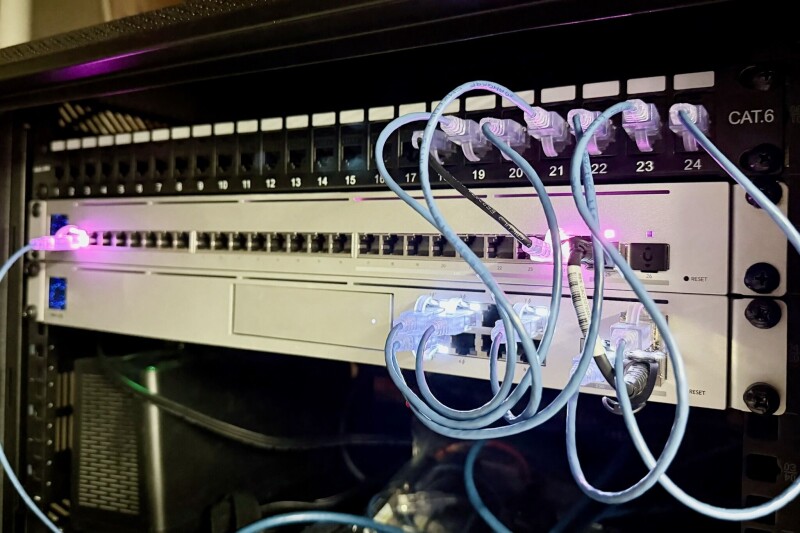
A Register systems editor describes how a move from suburban Denver to a remote spot in the Colorado Rockies left him relying on the very SD-WAN technology he once covered as a journalist. With only slow DSL available from the local wired provider, he and his wife, both remote workers, turned to a combination of 5G home broadband and Starlink satellite internet to stay connected for work.
Neither connection alone proved fully reliable: T-Mobile's 5G offered near-gigabit downloads but suffered around a dozen outages of one to five minutes over two months, often during work hours, while Starlink, though generally steadier, is also prone to occasional drop-outs. Rather than running separate networks with different SSIDs, which would disrupt calls and cause wireless interference, the author used SD-WAN, originally developed in the early 2010s to help enterprises manage growing SaaS traffic, to intelligently combine both connections into one seamless home network.
- Writer moved to rural Colorado with only slow DSL available
- Combined 5G and Starlink using SD-WAN for reliable connectivity
- Neither connection alone was fully reliable on its own
New here? Start with this
SD-WAN is a technology that lets a home or business combine several different internet connections – such as broadband, mobile data or satellite – into one network, automatically switching between them to keep devices online if one connection drops out. It was originally built for large companies managing heavy internet traffic, but the same principle can be applied on a much smaller scale, including in a single household.
The story is a personal account from a journalist at The Register, a technology news site, who has long written about SD-WAN for a professional audience. After moving to a remote part of the Colorado mountains, where only slow, old-fashioned wired broadband was available, he found himself needing the very technology he had previously only reported on to keep his home internet working reliably.
The wider context is the growing reliance on alternatives to traditional wired broadband in areas with poor infrastructure, including mobile 5G home internet and satellite services such as Starlink. Both can suffer brief outages, so combining them intelligently matters for anyone who depends on a stable connection for remote work.