Jeremy Strong Defends Method Acting, Says He Doesn’t Feel the Need to ‘Apologize’ to Co-Stars Who May Think ‘I’m Taking It Too Seriously’
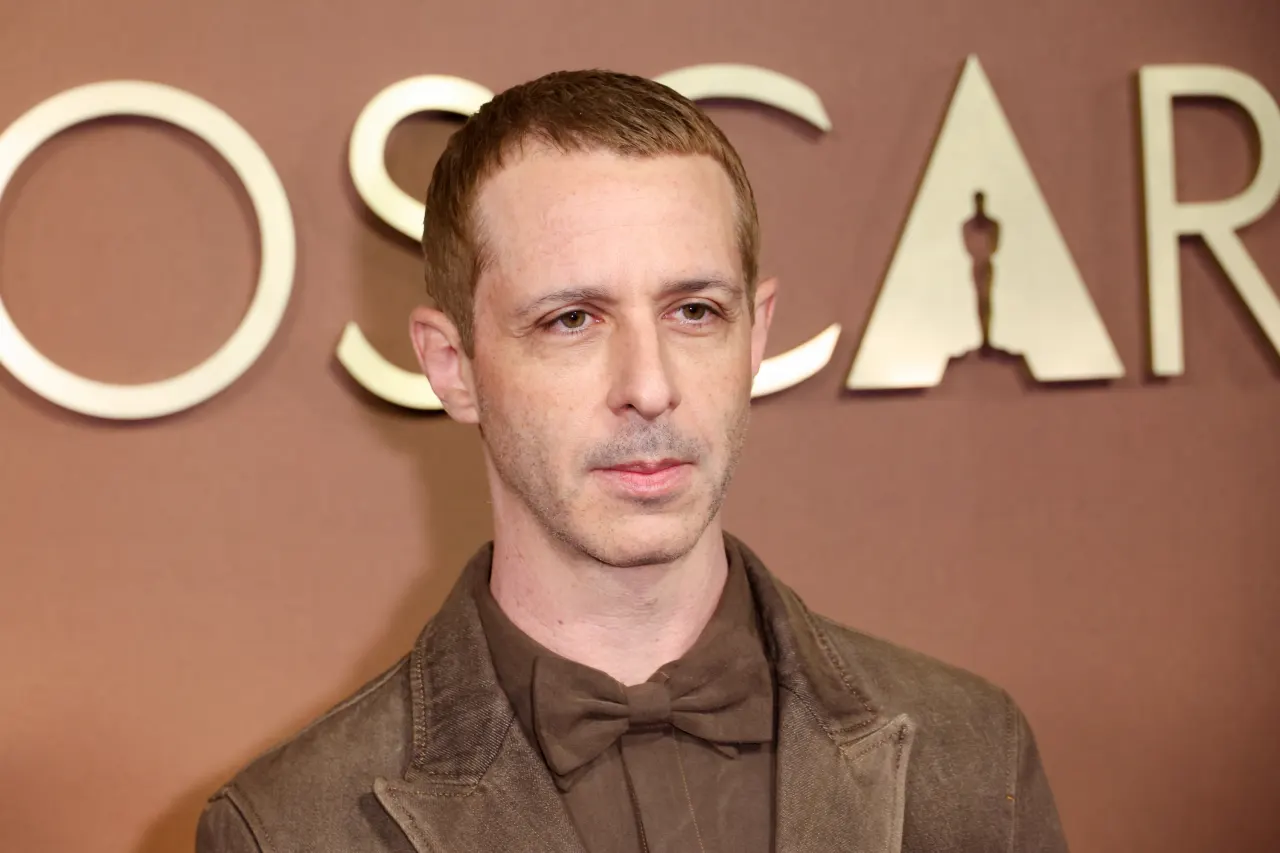
Actor Jeremy Strong has defended his method acting approach in a recent podcast interview, asserting he does not feel obliged to apologize to co-stars who find his intensity uncomfortable or believe he takes the craft "too seriously." During an appearance on The New Yorker Radio Hour, Strong—who plays tech billionaire Mark Zuckerberg in director Aaron Sorkin's forthcoming film "The Social Reckoning"—stated that his commitment is in service of the material, not personal interference with others' experiences. He suggested that negative reactions to his approach are often of a personal nature rather than professional concern.
Strong's method acting technique involves treating fellow actors as his character would treat them, an approach that previously drew criticism from his "Succession" co-star Brian Cox, who labelled it "fucking annoying" whilst also praising Strong's acting abilities. "The Social Reckoning," releasing 9 October, features Strong alongside Jeremy Allen White, Mikey Madison, Bill Burr, Betty Gilpin and Billy Magnussen in a story centred on whistleblower Frances Haugen's exposure of Facebook's internal operations. Director Sorkin previously noted that Strong was treating his co-stars according to his interpretation of how Zuckerberg would treat them during filming.
- Strong defends method acting, refuses to apologize for co-star discomfort.
- He plays Zuckerberg in "The Social Reckoning," releasing 9 October.
- Co-star Brian Cox has criticised but also praised his acting abilities.
New here? Start with this
Jeremy Strong is an American actor known for his role in the television drama Succession. He has become associated with method acting, an approach where performers deeply immerse themselves in their character's psychology and behaviour. In recent comments, Strong defended this working style, stating he does not feel he owes apologies to colleagues who find his intensity uncomfortable.
Strong's particular form of method acting involves treating scene partners as his character would treat them, rather than as himself. This has previously drawn criticism from colleagues, including his Succession co-star Brian Cox, who nonetheless praised Strong's considerable acting ability.
Strong is currently promoting The Social Reckoning, a forthcoming film in which he plays Mark Zuckerberg. The film dramatises the story of Frances Haugen, a whistleblower who exposed Facebook's internal documents and operations. Director Aaron Sorkin has confirmed that Strong applied his characteristic method acting approach whilst filming, treating his co-stars as Zuckerberg would.
Both sides, in good faith
The strongest fair case each way — we don't pick a winner.
The case for
Supporters of Strong's method acting contend that intense character preparation is a legitimate and rigorous technique in service of authentic performance. They argue that a committed actor has the right to their creative process, and that understanding a character's psychology—including how they interact with others—is essential to truthful portrayal. Professional actors entering such productions are understood to work alongside craftspeople of varying intensities, and proponents suggest that some temporary professional discomfort is inherent to serious filmmaking. From this perspective, Strong's commitment serves the material rather than causing genuine harm, and his considerable talent arguably validates his approach.
The case against
Critics argue that a film set is fundamentally a workplace deserving of basic interpersonal respect, regardless of artistic method. They contend that treating co-stars according to how a character would treat them—potentially as subordinates or adversaries—represents a form of conduct to which colleagues cannot meaningfully consent. Whilst acknowledging method acting as potentially valid, opponents assert it should not extend into affecting others' psychological wellbeing, noting that alternative preparation techniques can achieve excellence without such costs. From this position, acknowledging co-workers' discomfort through apology represents basic professional courtesy, and artistic commitment should not override workplace respect.