Chalmers rejects claims Labor spending is driving Australian inflation
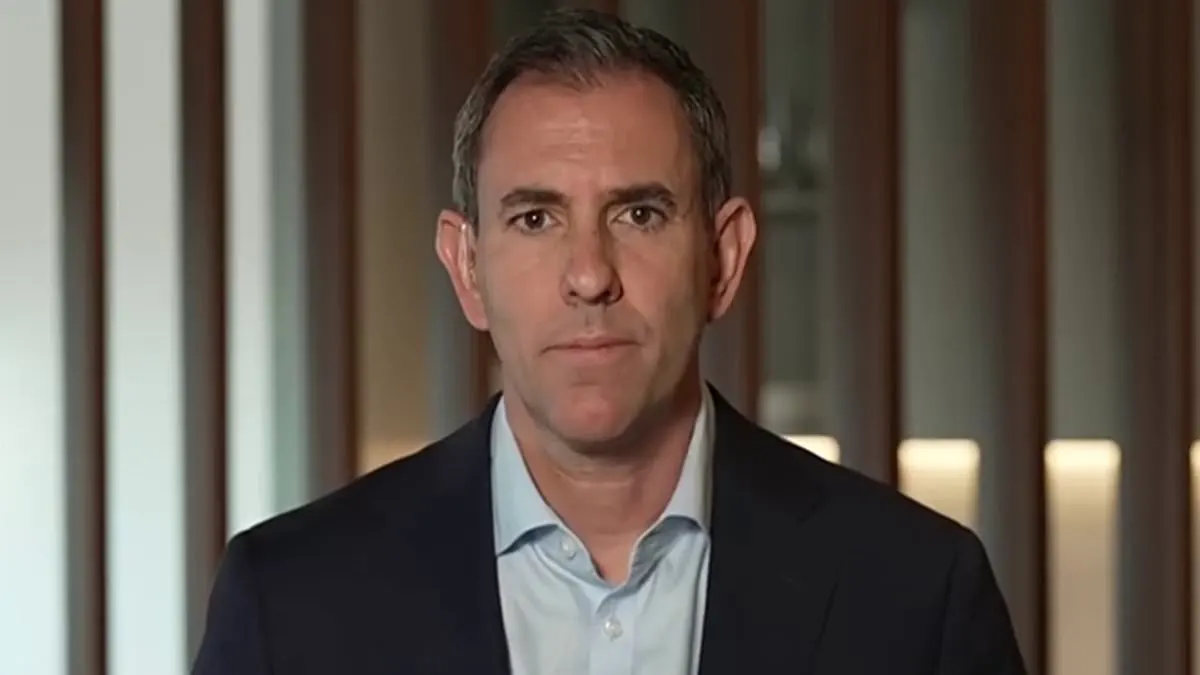
Treasurer Jim Chalmers has defended the Labor government's economic stewardship, insisting that public spending is not the primary cause of inflation in Australia. During an appearance on ABC's Insiders, Chalmers repeatedly cited the Middle East conflict, housing shortages and weak productivity growth as the main inflationary pressures, whilst acknowledging that government spending forms part of aggregate demand. The exchange reflects a central point of contention in Australian politics, with Opposition Shadow Treasurer Tim Wilson accusing Chalmers of stoking inflation through excessive government expenditure.
Chalmers pointed to recent economic data to support his position, noting that public demand had halved over the past year whilst private demand had tripled. He highlighted that Labor had identified nearly $180 billion in savings since taking office and had delivered two budget surpluses, yet inflation continued to rise—evidence, he argued, that government spending alone cannot explain current price pressures. The Treasurer also warned that rising global bond yields were placing additional strain on the budget, with potentially billions in extra borrowing costs as existing cheaper debt matured and required replacement at higher rates.
- Chalmers denies government spending drives inflation; blames Middle East war, housing shortages, weak productivity.
- Public demand halved over past year; private demand tripled, Treasurer claims.
- Tim Wilson accuses Chalmers of stoking inflation through excessive government expenditure.
New here? Start with this
Australia is experiencing inflation, which means prices are rising across the economy. There is disagreement over what is causing this inflation—the government argues that global factors like the Middle East conflict and housing shortages are mainly responsible, whilst the Opposition argues that excessive government spending is to blame.
This debate is central to Australian politics because high inflation affects household budgets and living costs. The question of its cause determines what policies the government should pursue to bring prices down.
Treasurer Jim Chalmers leads the Labor government's economic defence, whilst Opposition Shadow Treasurer Tim Wilson represents the opposing view on this issue. Both sides have presented evidence to support their positions, making this a major point of contention in the political debate.
Both sides, in good faith
The strongest fair case each way — we don't pick a winner.
The case for
The government's position rests on evidence that public demand has actually halved whilst private demand tripled, that nearly $180 billion in savings have been identified and two budget surpluses delivered, yet inflation has persisted—demonstrating that government spending alone cannot be the primary driver. International factors including the Middle East conflict, global bond yield pressures, structural housing shortages and weak productivity growth are substantive inflationary pressures beyond the government's direct control.
The case against
The Opposition contends that elevated government spending in the post-pandemic recovery period, though subsequently reduced, contributed significantly to initial inflation that has proven persistent. Government expenditure adds to aggregate demand regardless of longer-term savings records, and earlier fiscal restraint rather than stimulus measures might have prevented the inflationary pressures that now constrain monetary policy options and harm household budgets.
Business Economy Government Politics World
Read the full article at the source →
Originally published by Daily Mail as “Jim Chalmers under fire over inflation as he insists Labor spending is not the main cause of soaring prices”.