Culture news and discussion on TalkFuse.
John Swinney under further pressure over his ‘arrogant’ price cap plans
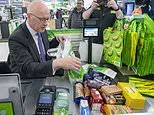
John Swinney is facing mounting opposition to his plan to force Scottish supermarkets to cap prices on a range of essential food items, after industry body Scotland Food and Drink became the latest organisation to warn of damaging "unintended consequences". The First Minister is expected to give further details of the policy in his programme for government when the Scottish Parliament returns from recess next month, but retailers and food producers argue it could harm supply chains and undermine business competitiveness at a time when the sector is already under pressure.
Scotland Food and Drink, which represents 450 firms, said policies to cut costs for consumers must not damage producers and manufacturers, while the Scottish Retail Consortium has written to Swinney urging him to scrap the plan entirely. The proposal would see price ceilings imposed on 20 to 50 items including milk, bread, eggs and chicken. Retail Consortium director David Lonsdale warned a cap could force stores to sell at a loss and recoup costs elsewhere, while Scottish Conservative finance spokesman Craig Hoy branded it a "bonkers" and "1970s-style gimmick" designed to grab election-period headlines.
In short
- Scotland Food and Drink joins retailers in opposing Swinney's food price cap plan
- Cap would target 20-50 items including milk, bread, eggs, chicken
- Critics warn of harm to supply chains, producers and store operations
Steelman: both sides, in good faith
The strongest fair case each way — we don't pick a winner.
The case for
The government's position is that consumers face genuine hardship amid the cost of living crisis, and targeted price controls on essential items can provide immediate relief to vulnerable households struggling to afford basic nutrition. By capping prices on staples like milk, bread, and eggs, the policy aims to ensure all Scottish families can access food, particularly those on low incomes, representing a legitimate exercise of government responsibility to protect citizens' welfare during economic difficulty.
The case against
The industry's concerns reflect genuine economic realities: price caps risk distorting supply chains and squeezing producers and retailers already under pressure between consumers' affordability needs and their operational costs. Retailers warn they cannot sustainably absorb losses on capped items and may be forced to reduce investment, quality, or availability, or shift costs elsewhere, potentially harming vulnerable consumers the policy seeks to help. A market-based approach through targeted support to struggling households would be more economically efficient and sustainable.
Explained simply
John Swinney is Scotland’s First Minister and leads the Scottish Government, which sets policy in areas devolved to Scotland. Supermarkets and food producers operate across the UK, but the Scottish Government can make rules affecting businesses in Scotland.
The proposal is to set maximum prices for 20 to 50 everyday foods, such as milk, bread, eggs and chicken, to help keep them affordable. Price caps limit what shops can charge, but the way they affect costs and supply can depend on how the rules are designed.
Scotland Food and Drink represents food and drink businesses, while the Scottish Retail Consortium speaks for retailers. Their concerns centre on whether shops or suppliers could face losses, change what they stock, or pass costs on elsewhere; the debate matters to shoppers as well as firms that produce and sell food.