John Wick Producer Officially Decodes the Key to Jason Statham and Gerard Butler’s Success
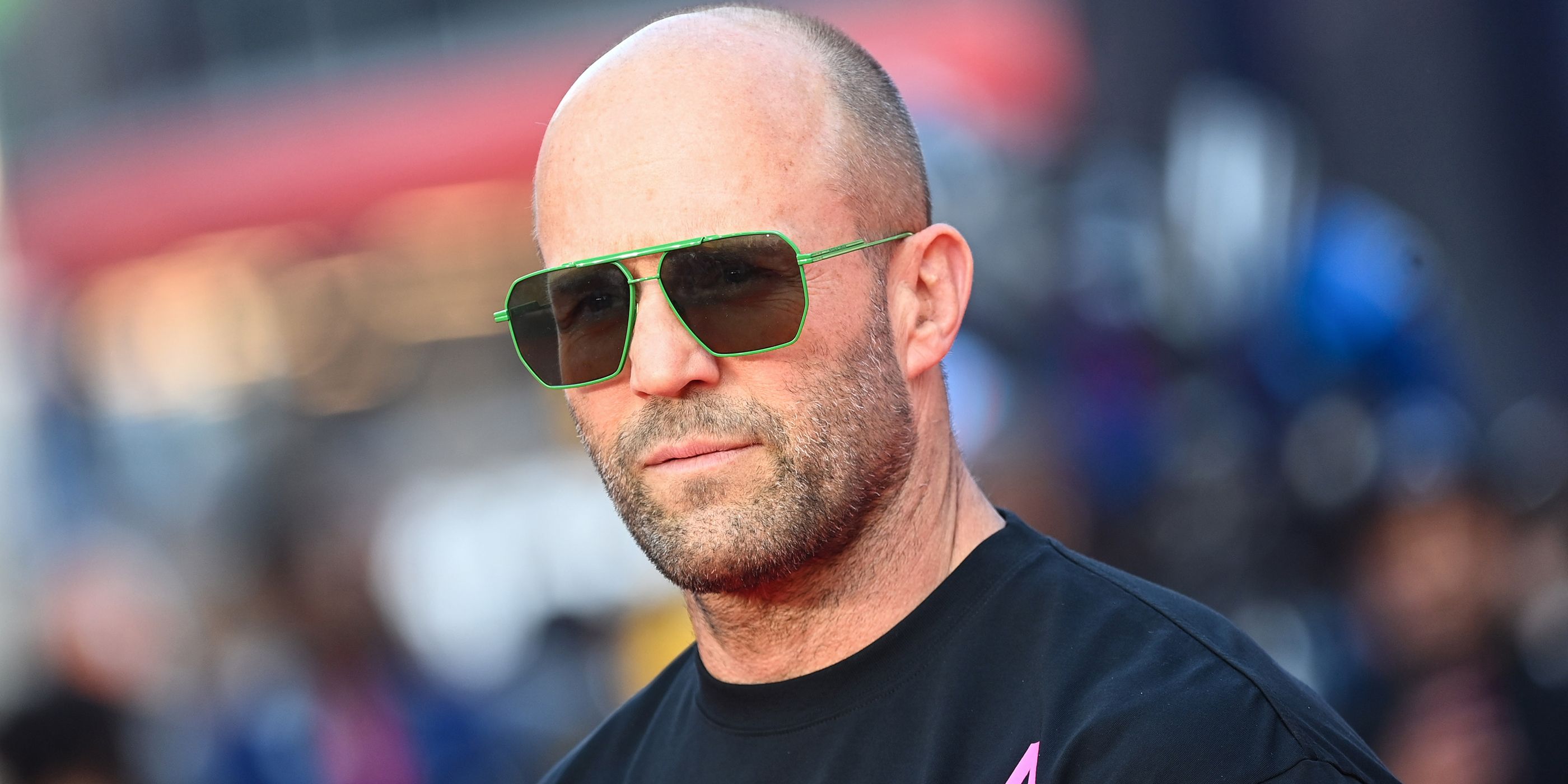
Producer Basil Iwanyk, best known for the John Wick franchise, has explained why Jason Statham and Gerard Butler remain bankable action stars despite recent box-office disappointments. Speaking on The Ringer and Puck's The Town podcast, Iwanyk said that although their latest films — Shelter and Greenland 2: Migration, both directed by Ric Roman Waugh and released the same month — underperformed at cinemas, virtually every film either star appears in ultimately turns a profit once ancillary revenue is factored in.
Iwanyk said Statham and Butler's films typically cost between $50 million and $65 million, and that the real money comes not from domestic box office but from PVOD and streaming sales after release. He cited the original Greenland, which struggled in cinemas partly due to the COVID-19 pandemic but became a major hit on video, as an example of this pattern. He added that even a film grossing just $14 million against a $55 million budget can still end up profitable "in the afterlife", which is why both stars continue to command high salaries.
- Producer Basil Iwanyk explains why Statham and Butler films always profit
- Their movies underperform at cinemas but excel on streaming/PVOD
- Recent films Shelter and Greenland 2 also missed box-office expectations
New here? Start with this
Basil Iwanyk is a Hollywood producer whose credits include the John Wick series, giving him a well-known perspective on how action films perform commercially. Jason Statham and Gerard Butler are two of the genre's most prolific leading men, both known for mid-budget action thrillers rather than big studio blockbusters. Their two most recent films, Shelter and Greenland 2: Migration, were both directed by Ric Roman Waugh and released in cinemas within the same month.
Both films struggled at the domestic box office, prompting questions about whether the stars' commercial appeal was fading. Iwanyk addressed this on a podcast, explaining how films like these are typically financed and how they actually make their money, pointing to revenue sources beyond ticket sales.
This matters because it touches on a wider shift in how mid-budget action films are funded and judged as successes or failures. Box office totals are often used as a public shorthand for a film's fortunes, but industry figures like Iwanyk argue that other revenue streams, generated after a film leaves cinemas, can be just as important to its overall profitability.