Ossoff remark about Natalie Harp prompts media scrutiny
Developed over time first seen 2 months ago
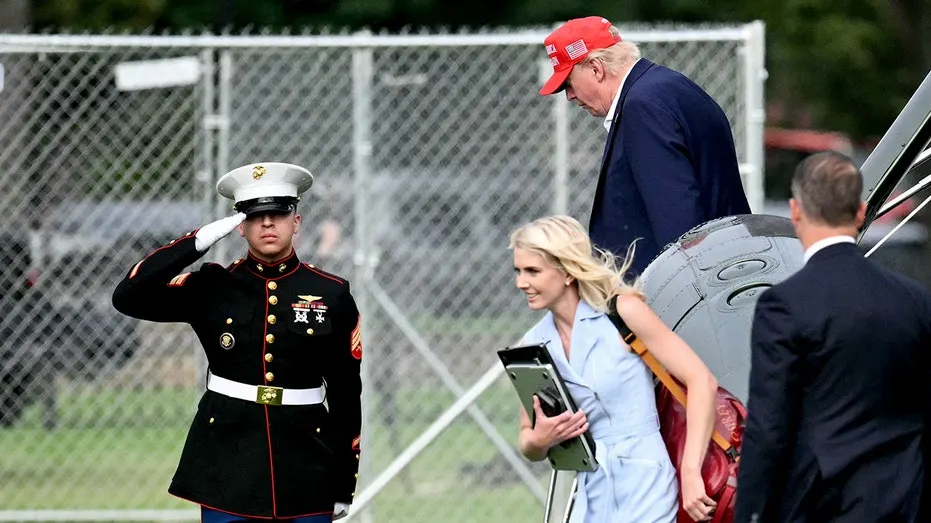
A comment by Senator Jon Ossoff (D-Ga.) about White House aide Natalie Harp has triggered a wave of media coverage, with commentators debating the senator's motives and the appropriateness of the remark. Ossoff, who polls suggest is well placed to win re-election in November, reportedly declined to explain clearly why he singled out the Trump aide during a Georgia campaign event, fuelling further scrutiny from both sides of the political media.
Fox News's "The Five" was among the outlets to weigh in, with co-host Emily Compagno describing the jab as "distasteful" and lacking grace. The episode has turned Harp, a relatively low-profile White House aide, into a more widely recognised name amid the ensuing coverage, though the article notes Ossoff has so far avoided directly addressing why he raised her during his campaign remarks.
- Jon Ossoff's remark about aide Natalie Harp sparked wide media coverage.
- Ossoff avoided explaining why he named her at a rally.
- Fox's "The Five" panel called the comment "distasteful".
New here? Start with this
Ossoff, Georgia's Democratic senator, is up for re-election in 2026 and has been holding campaign events across the state. During one of these events he made a remark referring to Natalie Harp, a White House aide who works closely with Donald Trump, which some viewed as a jab at the President. Harp herself is not a widely known public figure, so the comment has drawn attention partly because it thrust her into the spotlight.
The story matters because it sits at the intersection of campaign politics and the wider, often bitter, public feuding between Trump's allies and Democratic critics. Ossoff's remark has been picked up and amplified by various news outlets, with commentary on how the story has been covered differing along political lines, illustrating how quickly minor campaign-trail comments can escalate into national media stories.
For readers unfamiliar with the players, it helps to know that Ossoff first won his Senate seat in a closely watched 2021 runoff and is seen as one of the more vulnerable Democratic incumbents heading into the next election cycle, while Harp is part of the network of aides and advisers who work within Trump's orbit rather than an elected official herself.
Both sides, in good faith
The strongest fair case each way — we don't pick a winner.
The case for
Supporters of Ossoff's remark argue that scrutinising the people who shape a president's daily information diet is legitimate political commentary, not mere personal mockery. They contend that aides who wield outsised, unelected influence over a president's decisions are fair game for public examination, and that pointing out unusual or theatrical aspects of White House staff behaviour serves voters' interest in understanding how power actually operates behind closed doors. From this view, the ensuing media coverage simply reflects genuine public curiosity about an influential but little-known figure, not manufactured outrage.
The case against
Critics, including many who might otherwise be sympathetic to Ossoff, argue that turning a relatively junior staffer into a national punchline is disproportionate and unfair, since she has little independent power and did not choose a public-facing role. They see the intense media pile-on as symptomatic of a broader problem where minor remarks are amplified into culture-war spectacles that generate clicks rather than illuminate policy, distracting from substantive debate and subjecting a private individual to scrutiny and ridicule far beyond what her position warrants. On this view, restraint and proportionality in political rhetoric and coverage would better serve the public discourse.
More coverage
Elections Government Politics Trending Weird & Viral World
Read the full article at the source →
Originally published by Fox News as “Jon Ossoff’s controversial Trump jab sparks media feeding frenzy over White House aide Natalie Harp”.