Kemi Badenoch admits Tories might NOT be able to bring back the state pension triple lock if Labour scraps it before election
Developed over time first seen 13 hours ago
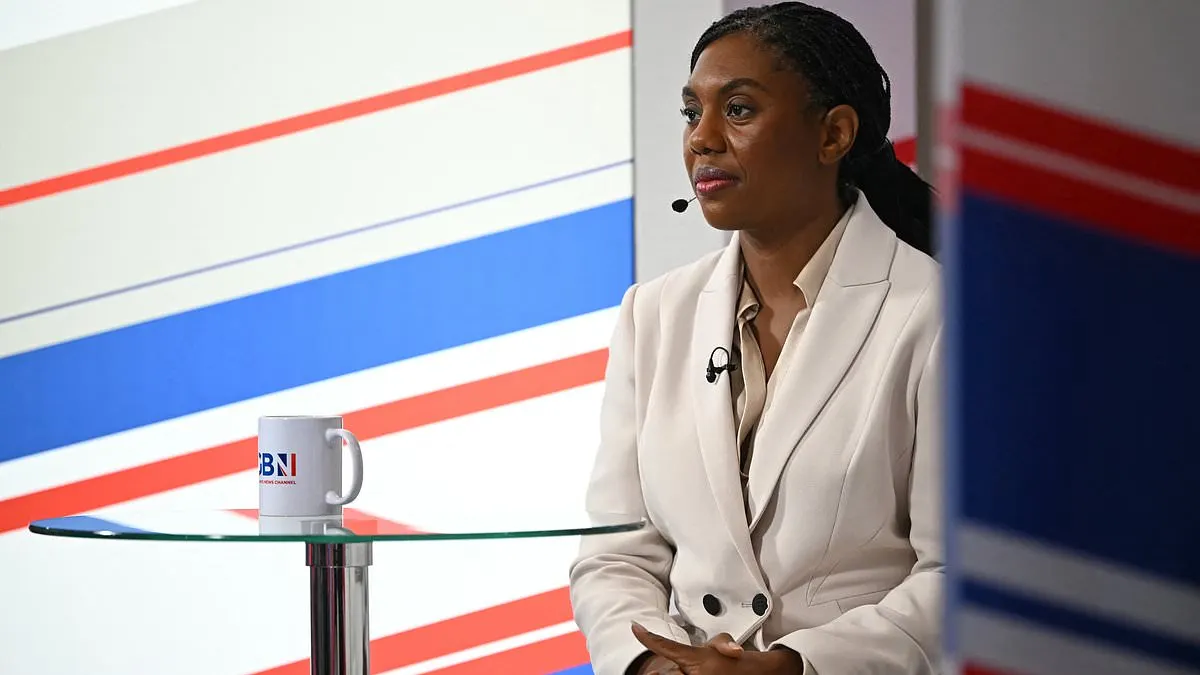
Kemi Badenoch says the Conservatives still support the state pension triple lock, but she will not promise to reverse any law Labour passes to weaken it. She said doing so could be difficult if a future government had already spent the money saved, and added that she would not make a pledge without knowing what Labour had done.
The triple lock raises pensions annually by the highest of inflation, earnings growth or 2.5 per cent. Andy Burnham has proposed watering down the earnings link from 2030, tying pensions instead to a proportion of average incomes, to help fund a National Care Service. Official estimates put the potential saving at £15 billion a year by 2040; legislation could be passed as early as next year, though Burnham ruled out changing the policy before the next election.
- Badenoch says the triple lock remains Conservative policy.
- She will not guarantee reversing a law Labour passes.
- The proposed change could save £15 billion a year by 2040.
New here? Start with this
The state pension triple lock automatically increases pensions each year by whichever is highest: inflation, earnings growth, or 2.5 per cent. This ensures pensioners' incomes keep pace with the cost of living and the broader economy.
Labour has proposed changing how the triple lock works from 2030, tying pensions to a share of average incomes rather than wages. The party says this change could help fund a National Care Service for elderly and disabled people, potentially saving around £15 billion annually by 2040.
Conservative leader Kemi Badenoch has acknowledged that the Conservatives face a political challenge if Labour changes the policy before the next election and spends the savings elsewhere. Once money is committed to other services, it becomes difficult for any government to reverse the change and restore the original policy.
Both sides, in good faith
The strongest fair case each way — we don't pick a winner.
The case for
The Conservatives should maintain an absolute commitment to restore the triple lock because it is a foundational party policy that protects vulnerable pensioners and represents a solemn promise to voters. By hedging with "might not", Badenoch is walking back a core principle and suggesting Conservative values are negotiable depending on Labour's actions rather than matters of conviction. Pensioners have planned their retirements around this protection, and the party must demonstrate it can be trusted to prioritise elderly welfare by committing to restoration regardless of fiscal circumstances.
The case against
Badenoch is being prudently honest rather than recklessly promising what might prove impossible to deliver. A responsible government cannot commit to reversing specific spending decisions without knowing the fiscal situation it will inherit, what the money will have been used for, or what economic conditions will prevail. Making unconditional commitments risks requiring painful cuts elsewhere, perhaps to the NHS or defence. The principled position is to say the Conservatives will prioritise pension protection within realistic fiscal constraints, rather than making promises that could force impossible trade-offs.
Full account
Conservative leader Kemi Badenoch has suggested her party may struggle to reverse any pension reforms Labour enacts before a general election, marking a significant concession regarding the state pension triple lock. The admission comes as Prime Minister Andy Burnham has signalled his government's intention to downgrade the protections afforded to pensioners, a shift that could redirect substantial sums towards social care provision.
Under the current arrangement, which has been in place since the Coalition government, state pensions have increased annually according to whichever is highest among inflation, average earnings growth, or 2.5 per cent. Labour intends to sever the earnings component from 2030 onwards, meaning pension uplifts would henceforth be determined by the Consumer Prices Index or 2.5 per cent, whichever is greater. The government believes this modification could generate approximately £15 billion in annual savings by 2040, funds it plans to allocate towards establishing a comprehensive social care system modelled on the National Health Service.
Despite insisting that the Conservatives remain committed to preserving the triple lock, Ms Badenoch declined during a Times Radio interview to pledge that her party would overturn any legislation Labour successfully passes before voters return to polling stations. She suggested that reversing such measures might prove difficult if Labour allocates the freed resources to other programmes. However, she maintained that she would not mislead voters for electoral advantage, emphasising that the Conservative position depends on Labour's fiscal decisions.
Financial modelling suggests the policy change could result in state pensions being approximately £5,400 annually lower in two decades, potentially reaching £25,029 rather than the projected £31,571 under existing arrangements. The reform would not take effect until after 2030, leaving it likely to become a contentious issue during the forthcoming election campaign. Mr Burnham has stated the mechanism represents an adjustment necessary to finance his ambitious social care initiative.
Where outlets differ
Source 2 provides specific financial projections of pension reductions (£5,400 annually, £25,029 versus £31,571), whilst Source 1 mentions the £15 billion annual saving but not the detailed pensioner-level impact.
Source 1 emphasises an apparent contradiction between Badenoch's Sunday statement about keeping the policy in perpetuity and her Tuesday caveats, whereas Source 2 does not highlight this temporal inconsistency.
Source 1 focuses more on uncertainty regarding what Labour will do with freed funds as a constraint on Conservative pledges, whilst Source 2 presents the policy mechanism change more directly.
More coverage
Art Business Cricket Culture Elections Markets Politics Sport World