Badenoch vows to keep the UK united amid independence challenge
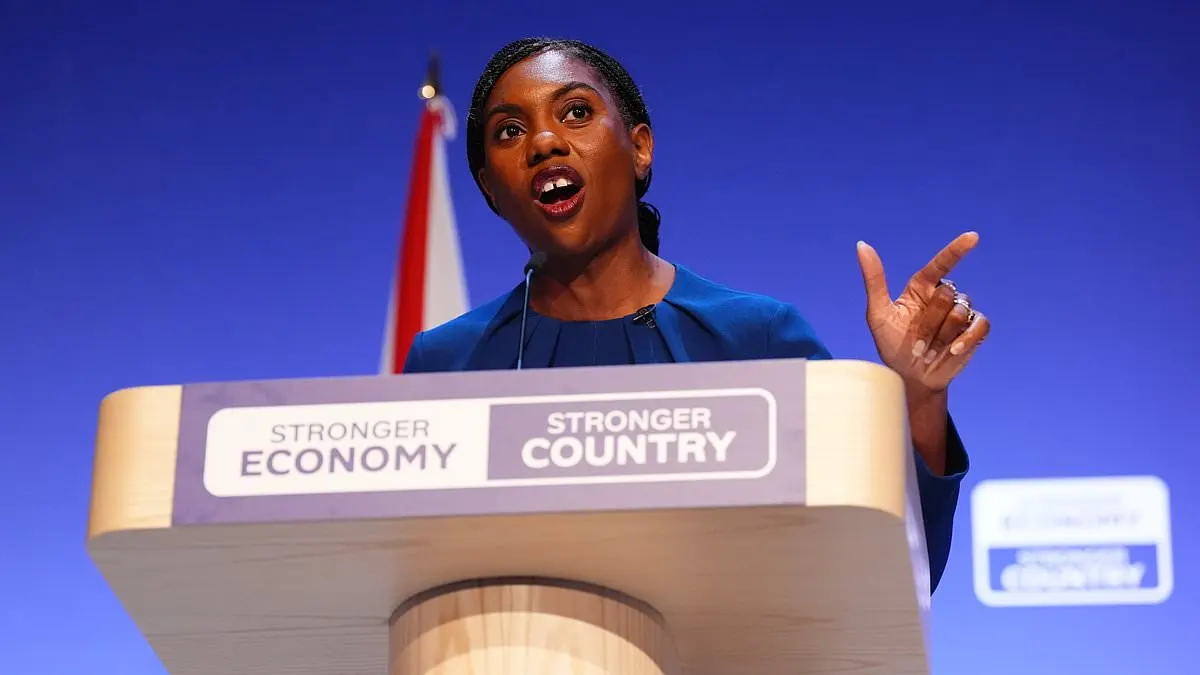
Kemi Badenoch used her Conservative conference speech to frame the next general election as a fight to keep the United Kingdom united. She said pro-independence parties governing Scotland, Wales and Northern Ireland posed a challenge, and criticised Labour figures over comments she said had reopened debate about another Scottish independence referendum.
Badenoch pointed to the Conservatives’ win in the Aberdeen South by-election as evidence that the party could regain support, saying Douglas Lumsden won nearly half the vote in a seat previously held by the SNP. She linked the campaign to jobs and support for North Sea drilling, arguing that new oil and gas licences would increase tax revenue and lower energy prices. She also called for investment in renewables and nuclear power, including small modular reactors.
- Badenoch cast the election as a contest over the Union.
- The Conservatives cited their Aberdeen South by-election win as a model.
- She backed North Sea drilling alongside renewables and nuclear power.
New here? Start with this
The United Kingdom comprises four nations: England, Scotland, Wales, and Northern Ireland. Each has its own elected government with powers over local policy areas. In recent years, pro-independence parties have won substantial electoral support in Scotland, Wales, and Northern Ireland, with some advocating for these nations to leave the Union.
Kemi Badenoch is leader of the Conservative Party, which is currently in opposition. General elections are approaching, and major parties will campaign on various issues including constitutional matters such as whether the UK should remain united. How different parties address these questions reflects their importance to voters across the four nations.
Both sides, in good faith
The strongest fair case each way — we don't pick a winner.
The case for
The case for maintaining the Union rests on shared prosperity and stability. Supporters argue that Scotland, Wales and Northern Ireland benefit materially from pooled resources, collective bargaining power and economies of scale in infrastructure and social spending. They contend that independence movements distract from bread-and-butter issues like jobs and energy costs that voters prioritise, and that fragmentation would create unnecessary complexity and expense. From this perspective, the Union represents a democratic choice by millions of citizens who value the security and opportunity that comes from scale and cooperation.
The case against
Those backing independence movements argue for the democratic principle of self-determination for distinct nations within the British Isles. They contend that Scotland, Wales and Northern Ireland have separate identities, histories and electorates whose views merit respect, and note that devolved governments have won elections on independence platforms, representing genuine public support. Independence advocates argue it would enable tailored policies better suited to each nation's circumstances and priorities rather than Westminster-centred decisions that may not reflect their values or needs.
Read the full article at the source →
Originally published by Daily Mail as “Kemi Badenoch: We have ‘fight on our hands’ against separatists determined to break up Britain”.