Killer’s sentence is thrown out after AI clip of victim speaking beyond the grave made judge so emotional that he gave ‘unfair’ punishment
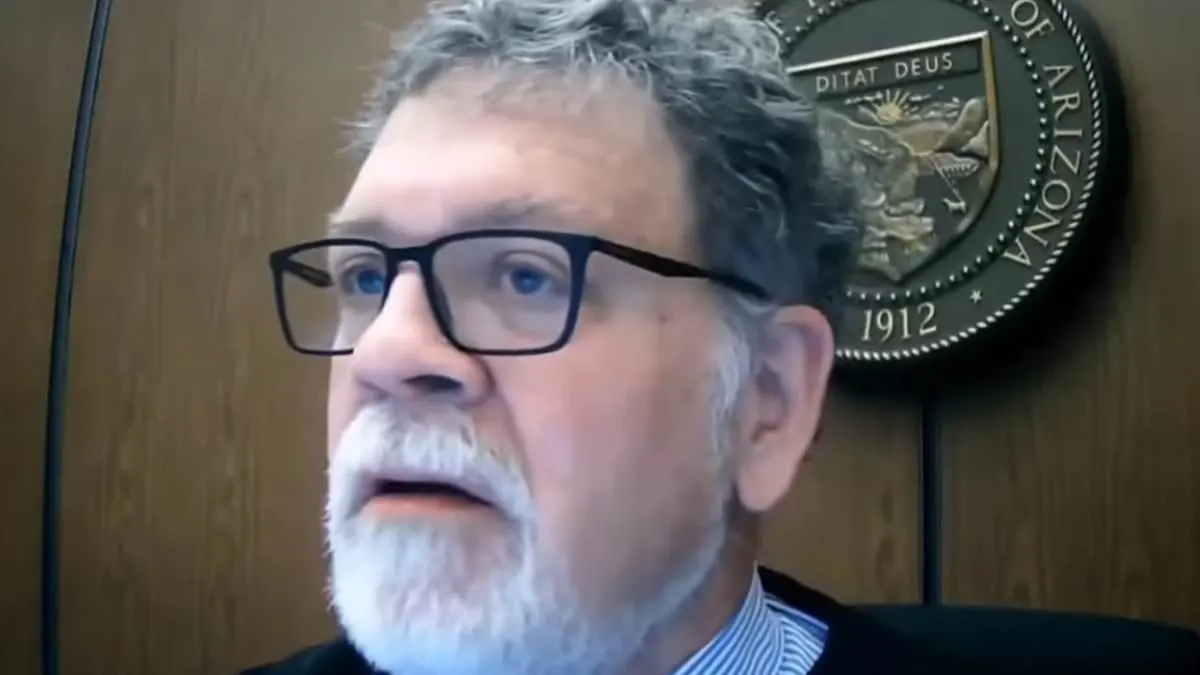
Gabriel Horcasitas, a 55-year-old convicted of fatally shooting Christopher Pelkey, 37, during a 2021 road-rage incident in Chandler, Arizona, has had his sentence vacated following a groundbreaking court ruling. The Arizona Court of Appeals determined on Wednesday that an AI-generated video of Pelkey presented during sentencing was unreliable and improperly influenced the judge's decision, marking what is believed to be the first such ruling in US courts. Horcasitas must now face resentencing, though his conviction remains upheld.
During the May 2025 sentencing, an AI recreation of Pelkey addressed Horcasitas directly, speaking about forgiveness and his Christian faith, saying the two 'probably could have been friends' in different circumstances. Judge Todd Lang praised the video publicly, remarking, 'I loved that AI, thank you for that,' and noting that he had heard genuine forgiveness in the AI's words. However, the appeals court found that the emotional power of this unreliable AI presentation violated Horcasitas's right to due process and unfairly biased the sentencing outcome. Sentencing recommendations ranged from seven to nine years' imprisonment, with the victim's family seeking the maximum penalty.
- Killer's sentence vacated after court rules AI video of victim was unreliable.
- AI recreation of deceased victim emotionally influenced judge's decision.
- Conviction stands; man must face new sentencing hearing.
New here? Start with this
Gabriel Horcasitas was convicted of fatally shooting Christopher Pelkey, a 37-year-old man, during a road-rage incident in Arizona in 2021. His conviction has not changed, but a court of appeals has now overturned the prison sentence he received.
At sentencing in May 2025, the prosecution presented an AI-generated video of the deceased victim. The artificial recreation of Pelkey spoke directly to Horcasitas about forgiveness and faith, saying they might have been friends in other circumstances. The judge publicly stated he found the video deeply moving and that it affected his sentencing decision.
The appeals court ruled that the AI video was unreliable and unfairly influenced the sentencing in a way that violated the defendant's right to a fair hearing. This is believed to be the first time a US court has specifically ruled on AI-generated evidence of this kind. Horcasitas must now receive a new sentencing, although his conviction for the shooting remains in place.
Both sides, in good faith
The strongest fair case each way — we don't pick a winner.
The case for
Proponents argue that allowing the victim's actual words and values to be presented through AI technology gives voice to the deceased, honouring their memory and perspective in a way traditional justice systems cannot. They contend that emotional response to sentencing is appropriate when judges must weigh the full human impact of a crime, and that innovation should not be rejected when it helps courts understand the profound loss caused by criminal acts.
The case against
Critics argue that AI-generated evidence fundamentally compromises due process because the defendant cannot cross-examine or challenge an artificial recreation, creating an unreliable, potentially manipulative presentation that judges cannot fairly scrutinise. They maintain that when a judge explicitly acknowledges emotional influence from such evidence, it suggests the technology's theatrical power has improperly biased sentencing rather than rationally informing it, warranting exclusion of such unreliable material from serious criminal proceedings.