King Charles ‘won’t fund Andrew’s legal action against Thames Valley Police over Epstein files arrest’
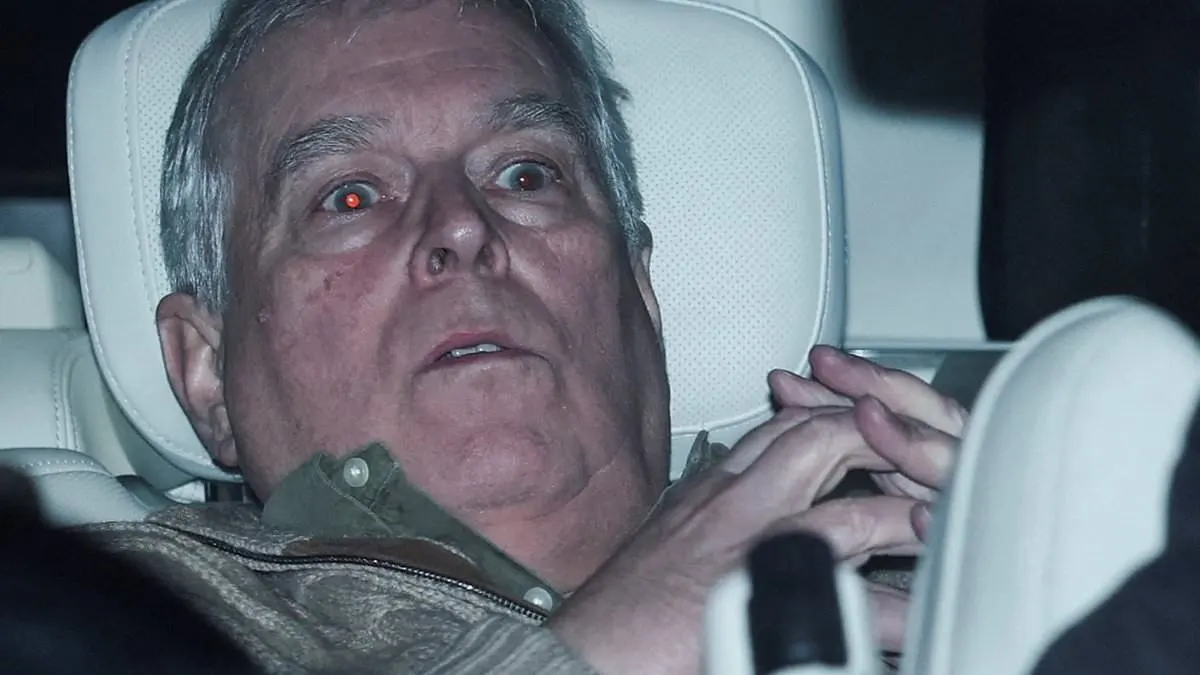
King Charles will not financially support Prince Andrew's legal challenge against Thames Valley Police over the lawfulness of search warrants executed at his homes. Andrew is mounting a judicial review after his February arrest on suspicion of misconduct in public office, stemming from claims he shared sensitive information with convicted sex offender Jeffrey Epstein while serving as a trade envoy. The King's refusal to fund the action marks his continued distance from Andrew following the Epstein scandal.
The judicial review hearing begins Thursday before judge Mr Justice Hilliard. Charles cut off Andrew's annual personal allowance—estimated at around £1 million—and his seven-figure private security funding as early as 2024. Andrew's February arrest came on his 66th birthday and was the first of a British royal in more than 350 years; the judicial review would be the first time a royal has challenged the lawfulness of criminal proceedings in nearly 400 years. Although the Royal Family provided Andrew with £12 million to settle claims with Virginia Giuffre, Charles did not personally contribute to that payment.
- Charles won't fund Andrew's legal challenge
- King cut Andrew's £1m annual allowance in 2024
- Historic judicial review hearing starts Thursday
New here? Start with this
Prince Andrew, the King's younger brother, was arrested in February on suspicion of misconduct in public office. The charges relate to allegations that he shared sensitive information with Jeffrey Epstein, the convicted sex offender, whilst serving as Britain's trade envoy. This arrest marked the first time a senior British royal had been arrested in more than 350 years.
Andrew has launched a judicial review to challenge whether the search warrants executed at his homes were lawful. This type of legal action challenges whether authorities acted within their legal powers. The move would represent the first time a member of the Royal Family has challenged the lawfulness of criminal proceedings in nearly 400 years.
The King has maintained distance from his brother following the Epstein scandal. In 2024, Charles withdrew Andrew's annual personal allowance, estimated at around £1 million, and ended his security funding. Although the Royal Family collectively provided Andrew with £12 million to settle civil claims by Virginia Giuffre, the King has not offered personal financial support to his brother's legal costs.
Both sides, in good faith
The strongest fair case each way — we don't pick a winner.
The case for
The King is right to refuse funding, demonstrating that the monarchy holds itself accountable and will not deploy resources to support someone implicated in serious wrongdoing. By declining to fund the judicial review whilst having already settled civil claims with victims, Charles distinguishes between appropriate financial redress and active legal defence, sending a clear institutional message about the family's commitment to proper conduct. Andrew has resources to pursue constitutional questions about police procedures independently, making the King's refusal a principled stand rather than an obstruction of justice.
The case against
The legal challenge concerns the procedural lawfulness of police warrants, a constitutional question distinct from Andrew's alleged misconduct, and everyone deserves proper access to justice when challenging potentially unlawful state action. By refusing to fund the judicial review, the King may be conflating Andrew's serious failings with his basic right to defend procedural integrity, treating legal support as reward rather than recognising it as an entitlement in a functioning legal system. For the monarchy's credibility to rest on the rule of law, that principle must apply equally to all members, even those whose conduct is deeply troubling.