Kyiv bridge hit in further drone attack as German chancellor makes surprise visit
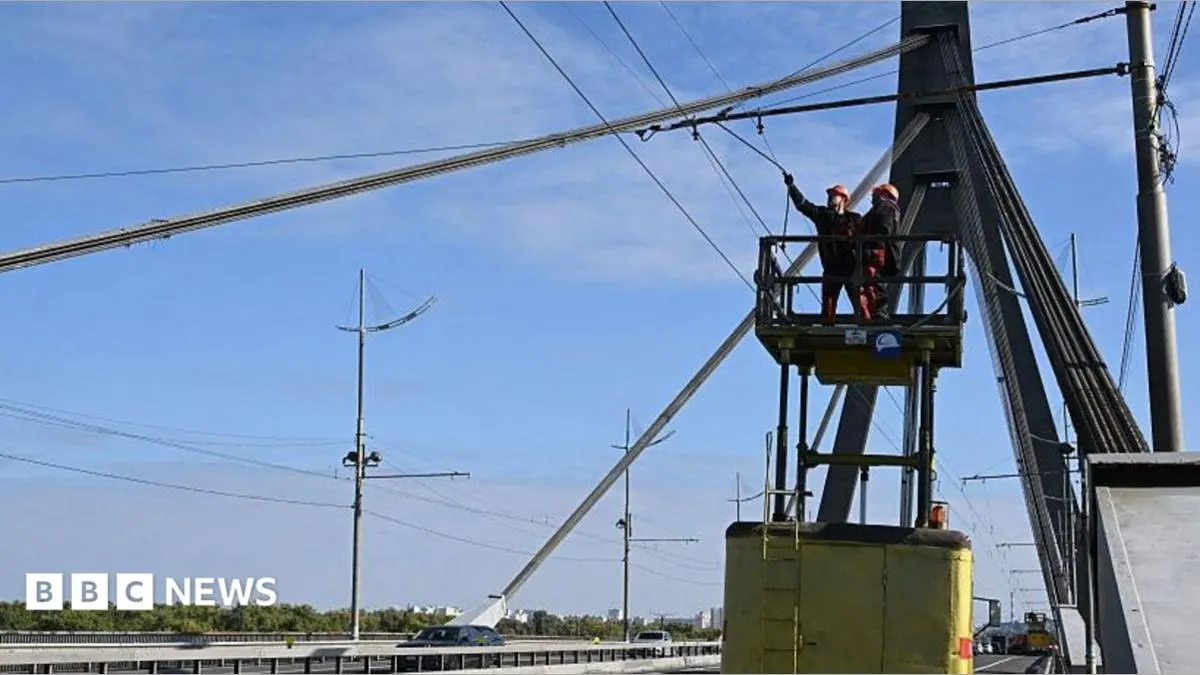
The Pivnichnyi (Northern) Bridge in Kyiv has been struck by Russian drones for the second consecutive day, with Sunday's attack also damaging a heating main and leaving parts of the city without hot water. The strikes coincide with a surprise visit from German Chancellor Friedrich Merz, who reaffirmed Germany's commitment to supporting Ukraine and strengthening its air defences during these "decisive weeks" of the conflict.
The bridge was first hit on Saturday, injuring two people and damaging the road surface and trolleybus wires. Major bridges across the Dnipro River, including the Pivdennyi (Southern) Bridge, have been repeatedly targeted over the past four days as Russia intensifies attacks on Kyiv's critical infrastructure. Russia claims the drones targeted facilities used for transferring Ukrainian troops and military cargo, whilst experts say the repeated assaults, though unlikely to collapse the structures, will force closures and weaken them over time.
- Kyiv's Northern Bridge hit twice in two days by Russian drones
- German Chancellor Merz visits Kyiv to pledge further military support
- Russia continues attacks on capital's critical infrastructure and bridges
New here? Start with this
Russia has targeted Ukraine's critical infrastructure, particularly in Kyiv, since the conflict began. The bridges crossing the Dnipro River are essential for moving people and supplies across this major natural barrier that divides the capital.
Russian drone attacks on these bridges have become a sustained pattern. Each strike can accumulate damage, weakening structures over time and forcing closures that disrupt civilian movement and access to utilities like heating and water.
Western countries, including Germany, have increasingly supported Ukraine's defence with military aid and funding. This assistance includes air defence systems designed to intercept incoming drones, reflecting the international importance placed on helping Ukraine withstand attacks on its cities and infrastructure.
Both sides, in good faith
The strongest fair case each way — we don't pick a winner.
The case for
Proponents of the strikes argue that these bridges serve military functions as they carry troop and supply movements, making them legitimate targets under the laws of armed conflict. From this perspective, degrading Ukraine's logistical capabilities represents necessary military pressure on an adversary receiving substantial Western military support. Whilst civilian inconvenience follows, they contend this does not outweigh the military necessity of targeting infrastructure that serves combatant operations.
The case against
Critics argue these are fundamentally civilian infrastructure—public bridges used by civilians and trolleybuses, heating systems serving residential areas—whose targeting causes disproportionate civilian suffering. They maintain that international humanitarian law prohibits attacks where civilian harm exceeds military advantage, and systematic strikes on city heating in October specifically target civilian welfare in a way that cannot be justified as militarily necessary.