World news and discussion on TalkFuse.
Liberal stronghold set to adopt eye-popping minimum wage amid business exodus
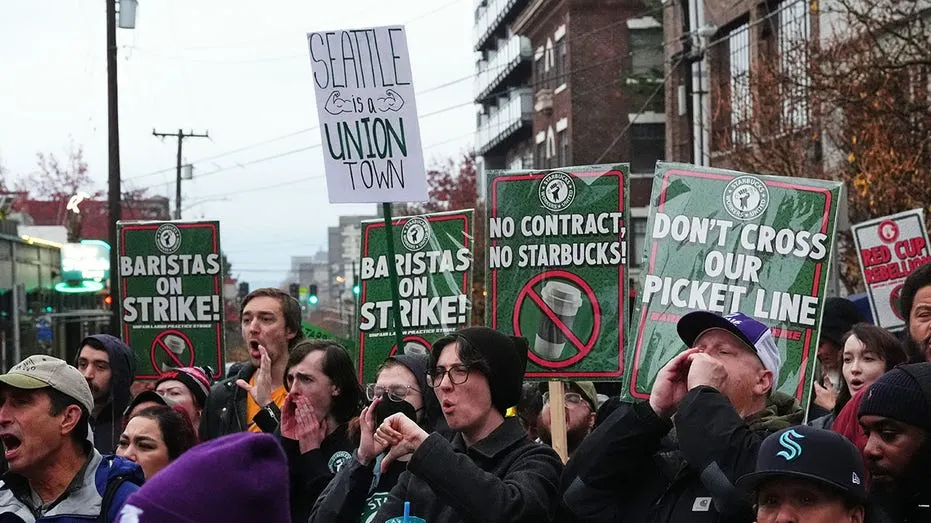
Seattle's minimum wage will increase to $22.14 per hour in 2027, continuing an inflation-adjustment policy implemented in 2025 that requires all employers to pay the same minimum. The measure has coincided with significant business closures and declining employment, as restaurant and retail establishments struggle with higher labour costs. Proponents argue the increase is necessary given Seattle's high cost of living, whilst critics point to mounting evidence that it is driving businesses away from the city.
During the first half of 2025, approximately 450 Seattle restaurants—16 per cent of the city's total—shut down, with owners frequently citing labour costs as a contributing factor. Job postings in Seattle's metropolitan area fell by 35 per cent between February 2020 and October 2025, the second-largest decline nationally after San Francisco. A peer-reviewed study found that the announcement of Seattle's minimum wage increase deterred new business formation within the city whilst simultaneously encouraging establishment in adjacent suburbs with lower wage floors. Full-time minimum wage workers in Seattle now earn just over $46,000 annually, the country's highest.
In short
- Seattle's minimum wage reaches $22.14 in 2027 amid significant business closures
- 450 restaurants (16% of total) closed in first half of 2025 since policy took effect
- Economic headwinds predate wage increases, but businesses cite labour costs as key challenge
Steelman: both sides, in good faith
The strongest fair case each way — we don't pick a winner.
The case for
Seattle's extraordinarily high cost of living demands wage floors enabling full-time workers to afford basic necessities, and worker dignity and poverty reduction justify this policy even if some business relocation occurs; moreover, causation between minimum wage and closures remains genuinely contested among economists, with pandemic-driven commercial shifts and changing consumer patterns playing significant roles, and robust peer-reviewed research shows employment effects of well-designed minimum wage policies remain legitimately disputed.
The case against
The concrete evidence of business flight—450 restaurant closures directly citing labour costs, a 35 per cent decline in job postings, and academic findings that the policy itself deters business formation and investment within the city—raises substantial concern that workers face worse net outcomes through reduced employment opportunities than they gain from higher hourly rates, particularly less-skilled workers most vulnerable to substitution or hiring restrictions.
Explained simply
Seattle implemented a minimum wage policy in 2025 that automatically adjusts annually for inflation, with all employers required to pay the same rate across the city. This reflects Seattle's long-standing progressive politics, and the policy will increase the minimum wage to $22.14 per hour in 2027. Full-time minimum wage workers in Seattle now earn just over $46,000 annually, the highest in the country.
Since the policy's introduction, Seattle has experienced significant business disruption. Approximately 450 restaurants—16 per cent of the city's total—closed in the first half of 2025, with owners frequently citing labour costs as a contributing factor. Job postings in the wider Seattle region fell by 35 per cent between early 2020 and late 2025, the second-largest decline nationally after San Francisco.
Supporters of the policy argue it is necessary given Seattle's exceptionally high cost of living, whilst critics contend it is driving businesses away. Research suggests that some companies are choosing to establish themselves in adjacent suburbs where wage requirements are lower, rather than within Seattle itself.