Lidl overtakes Morrisons as sales top £13bn amid price cuts
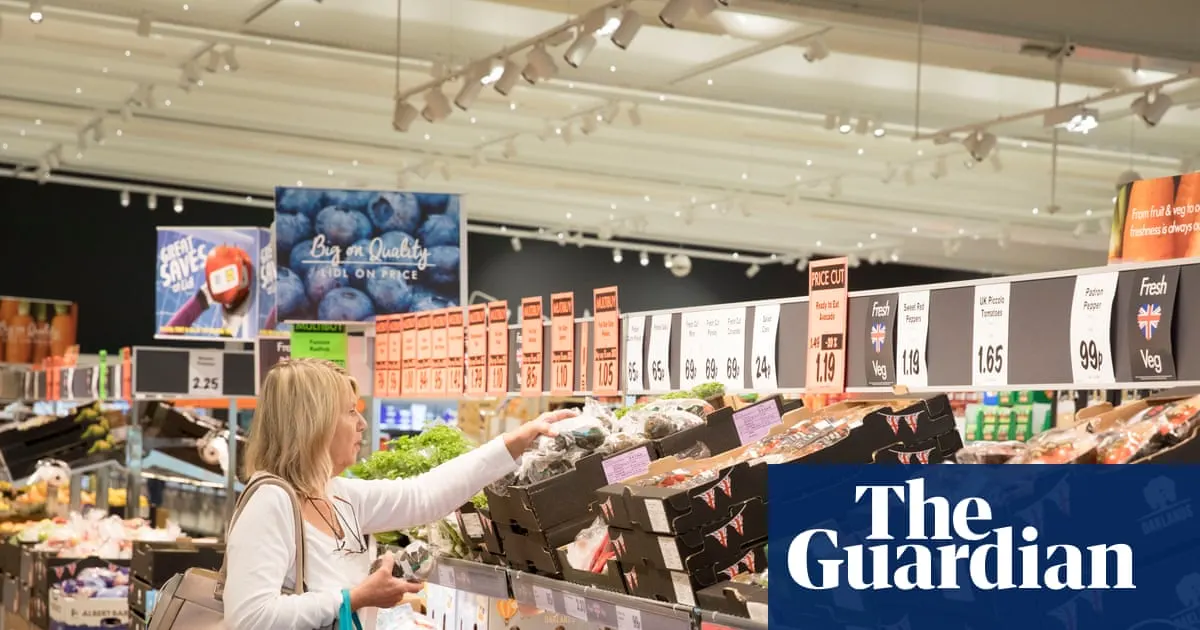
Lidl GB's sales have jumped 10% to more than £13 billion in the year ended February 2026, pushing it past Morrisons to become the fifth largest grocer in Great Britain. The German supermarket's rapid growth reflects continued consumer demand for value amid persistent food inflation, with the retailer investing £315 million in price cuts and promotions whilst also attracting customers through its upmarket Deluxe range, which saw sales rise by 12%.
Pre-tax profit at Lidl GB surged by 30% to £245.5 million, compared with £156.8 million the previous year, boosted by shoppers migrating to discounters as food prices remained elevated; fresh produce inflation reached 3% in August. The supermarket's Lidl Plus loyalty programme proved especially popular, with membership rising 23% this year, helping it secure an 8.6% market share compared with Morrisons' 8.3%, whilst other discount rivals including Aldi have seen their growth cool as traditional supermarkets strengthen their positions through improved loyalty schemes and price-matching strategies.
- Lidl GB's sales jumped 10% to beat Morrisons to fifth-largest grocer.
- Pre-tax profit surged 30% to £245.5m amid continued food inflation.
- Deluxe upmarket range and Lidl Plus loyalty scheme drove growth.
New here? Start with this
Britain's supermarket market has long been dominated by a handful of large traditional chains, but discount supermarkets—particularly Lidl and Aldi, which are German-owned—have expanded significantly in recent years and now compete for a meaningful share of grocery spending. These discount retailers operate a different model, stocking a smaller, carefully selected range of products at substantially lower prices than traditional supermarkets.
Food prices have risen markedly over recent years, which has intensified competition amongst all supermarket chains as customers seek better value. The established large supermarket groups—including Sainsbury's, Tesco, Asda and Morrisons—have responded by creating their own budget ranges, matching competitors' prices more aggressively, and enhancing loyalty schemes. Discount chains like Lidl have also broadened their offerings to include upmarket products, appealing to a wider range of shoppers beyond those purely focused on price.
This shift matters because it demonstrates how sensitive consumers are to price movements and shows retailers' willingness to invest heavily in competitive pricing and loyalty programmes to hold onto customers. The expansion of discount supermarkets reflects a deeper change in shopping behaviour, with families increasingly prioritising value and comparing prices carefully when deciding where to spend their weekly food budget.
Business Software Technology UK World
Read the full article at the source →
Originally published by The Guardian as “Lidl GB’s sales soar by over 10%, helped by price cuts and Deluxe range”.