Lindsay Clancy loses daring bid to have her found not guilty of murdering her three children after mistrial
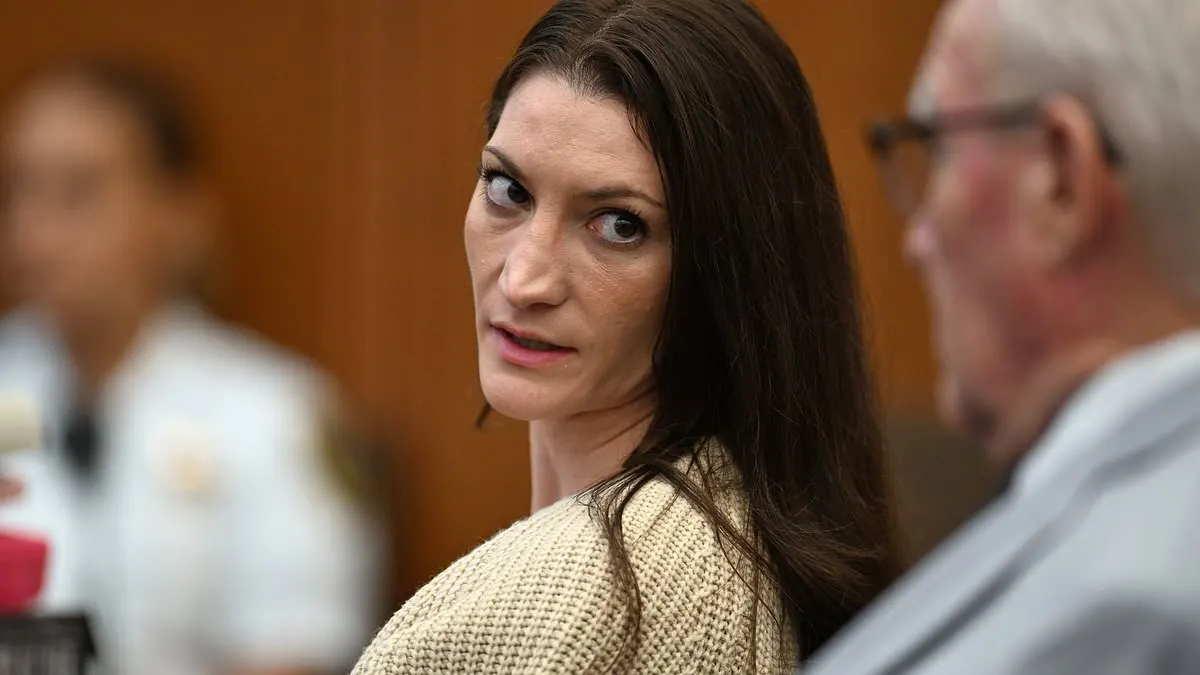
A 36-year-old former nurse has lost her bid to be acquitted of murdering her three children. Judge William Sullivan rejected Lindsay Clancy's motion to dismiss the charges, ruling that the evidence was sufficient to satisfy any rational jury beyond reasonable doubt. Clancy will now face a second trial after jurors could not reach a unanimous verdict in her first proceedings.
Clancy was charged with strangling her three children, Cora, five, Dawson, three, and eight-month-old Callan, with exercise bands in their Duxbury, Massachusetts home on 24 January 2023. She pleaded not guilty by reason of insanity, citing severe postpartum depression and psychosis. After 38 hours of deliberation, 11 jurors wanted to acquit her on insanity grounds, but one juror refused, forcing a mistrial. Clancy survived her subsequent suicide attempt but remains paralysed from the waist down.
- Judge rejects Lindsay Clancy's acquittal bid, setting up second trial.
- She pleaded insanity, claiming postpartum depression and psychosis.
- One juror blocked acquittal after 38 hours of deliberation.
New here? Start with this
Lindsay Clancy, a 36-year-old former nurse from Massachusetts, is charged with the deaths of her three children, Cora, Dawson and Callan, who died in January 2023. The children were found at their home in Duxbury, and Clancy was taken into police custody. She pleaded not guilty by reason of insanity, arguing she was suffering from severe postpartum depression and psychosis at the time.
The case centres on the insanity defence and postpartum mental illness. Clancy's legal team argued that she was not responsible for her actions due to her mental state. In her first trial, the jury deliberated for over a day and a half, with 11 voting to acquit her on insanity grounds, but one juror disagreed, resulting in a hung jury and mistrial.
This case raises questions about how the law treats mothers suffering from severe postpartum illness, and whether such conditions should excuse criminal responsibility. Clancy will now face a second trial where the question of her mental state will again be central to proceedings.