‘Lost’ medieval castle found hiding in plain sight after professor spots telltale clues
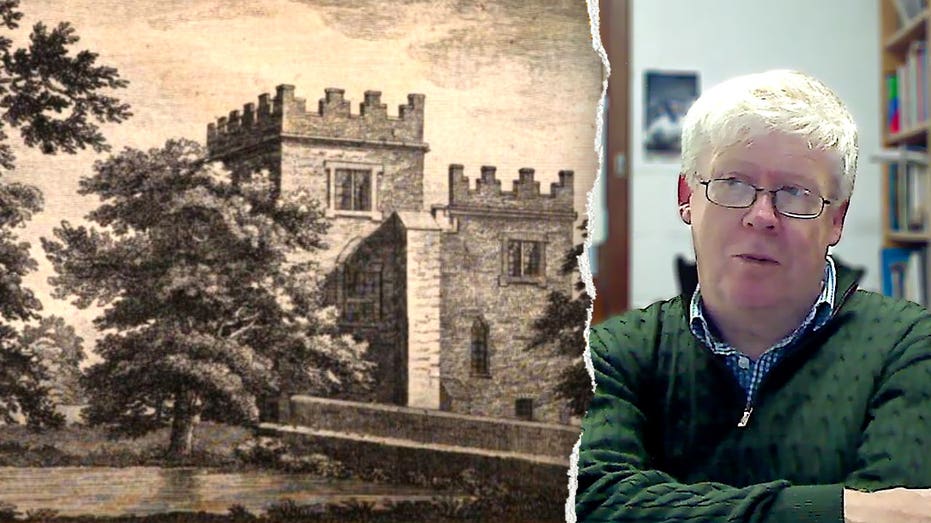
Medieval archaeology professor Tadhg O'Keeffe at University College Dublin has discovered that Roebuck Castle, a medieval fortress believed lost for centuries, survives largely intact within a Victorian-era building on the university's campus. The announcement revealed that approximately 70–80% of the original castle structure remains concealed beneath Victorian plaster and modern alterations, despite extensive renovations including a major overhaul in 1874. This discovery demonstrates that significant historical structures can persist unrecognised in plain sight when obscured by later developments.
Roebuck Castle was likely constructed in the early 13th century, following the Norman invasion of Ireland, and is distinguished by its unusually well-documented ownership history, including notable residents equivalent to Ireland's chief justice and, briefly, King James II in the late 1600s. O'Keeffe identified the castle's medieval origins through characteristic features including remarkably thick walls, stone vaults, arched stone roofing, a visible gate tower and splayed windows that are only apparent from the interior. Records indicate the castle was abandoned around the start of the 17th century, likely suffering damage during mid-17th-century conflicts, before being incorporated into a residential building without any deliberate attempt at historic preservation.
- Medieval castle found hidden within Victorian building at UCD Dublin
- 70–80% of 13th-century structure preserved beneath plaster and modern alterations
- Rare documented ownership including chief justice and King James II