Maine Democratic Senate candidate quits race over sexual assault claims
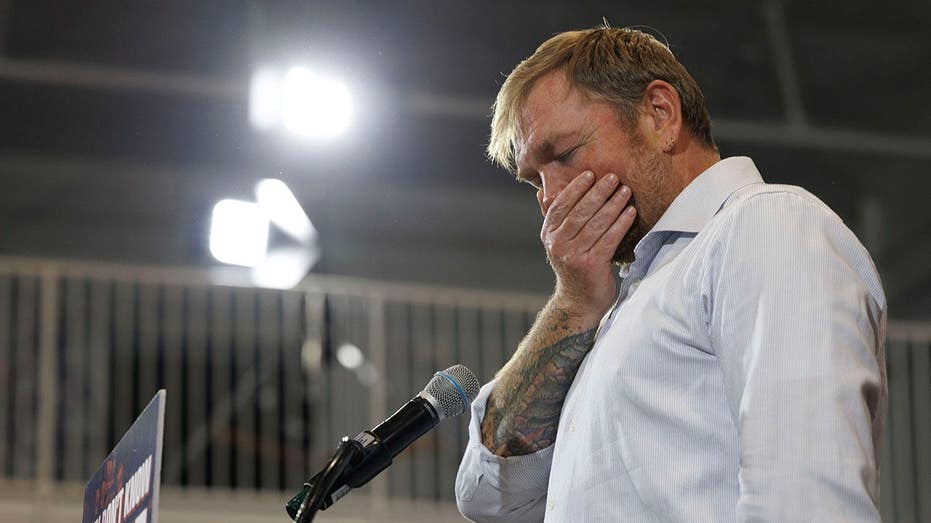
The Democratic Senate nominee in Maine has withdrawn from the race after several former partners accused him of sexual assault. He had been polling ahead of the long-serving Republican incumbent, Senator Susan Collins, and his exit — accompanied by a swift collapse of party endorsements — deals a significant setback to Democratic hopes of winning a competitive seat in the state.
The affair has prompted scrutiny of how Maine Democrats vetted the candidate before nominating him, with senior party figures criticising the apparent failure to examine his background. Some of the accusers have separately criticised the way major news outlets, including The New York Times, handled the allegations. Party officials have since turned to finding a replacement, with several members and public figures urged to consider standing.
- Maine's Democratic Senate nominee quit after sexual assault allegations.
- He had been polling ahead of Republican Susan Collins.
- Party faces scrutiny over vetting and hunts for a replacement.
New here? Start with this
Democrats had been counting on this seat as one of their best pickup chances in the 2026 midterms, since it is held by a long-serving Republican, Susan Collins, in a state that otherwise leans Democratic. Their nominee had built a polling lead over Collins before several women who had previously been in relationships with him came forward with allegations of sexual assault, which he denies having any bearing on his decision beyond stepping aside for the party's sake.
His withdrawal has left Maine Democrats scrambling to find a new candidate with the election still some months away, while also facing criticism over how thoroughly he was checked out before being chosen as the nominee in the first place. The episode has also drawn attention to how news organisations reported the allegations, with some of the women involved voicing concerns about that coverage.
The outcome matters beyond Maine because control of the US Senate is decided by a small number of competitive seats, and losing a strong challenger in one of them could affect the wider balance of power in Washington.
Both sides, in good faith
The strongest fair case each way — we don't pick a winner.
The case for
Those who see the swift withdrawal and collapse of endorsements as the right response argue that when multiple former partners independently come forward with serious allegations, treating those accounts with gravity and stepping back from public life is the responsible course, regardless of the political cost. They contend that parties owe voters thorough vetting and cannot in good conscience continue backing a candidate accused by several people of sexual assault, and that a rapid, decisive response signals that such conduct is taken seriously rather than excused for electoral convenience. On this view, the setback to the Senate race, while real, is a lesser concern than the integrity of the process and fairness to the accusers.
The case against
Others, including some of the accusers themselves, argue that the way the allegations were reported and handled deserves scrutiny rather than uncritical acceptance of the outcome, since rushed or incomplete coverage can distort a fair public reckoning even when the underlying claims are serious. They emphasise that due process matters, that allegations are not the same as adjudicated findings, and that a candidate's career and reputation should not be ended purely on the basis of media narrative without a more careful, transparent examination of the facts. From this perspective, the party's apparent vetting failure and the media's handling of the story are legitimate points of criticism precisely because a fair process protects everyone involved, including future accusers whose credibility depends on cases being handled rigorously.
Coverage
- Fox News — Platner drops out of crucial Senate race after bombshell rape allegation torpedoes campaign
- Daily Mail — Graham Platner ends Maine Senate campaign after ex-girlfriend’s assault allegation
- Deadline — Graham Platner Ends Senate Bid In Maine After Sexual Assault Allegation
- Fox News — Platner accuser recalls ‘gaslighting,’ ‘betrayal’ from NY Times as she came forward with her allegations
- Fox News — Carville blasts Dems amid Platner scandal, warning they ignored a classic rule of politics and paid the price
- Fox News — Who is Valli Geiger? Meet the Maine Dem that Platner is urging to run for Senate
- Variety — Patrick Dempsey Gave ‘Real Thought’ to Running For Senate in Maine After Graham Platner Scandal: ‘I’m Concerned About the Direction Our Country Is Heading’