Major US vacation destination could get more expensive as officials eye new fees
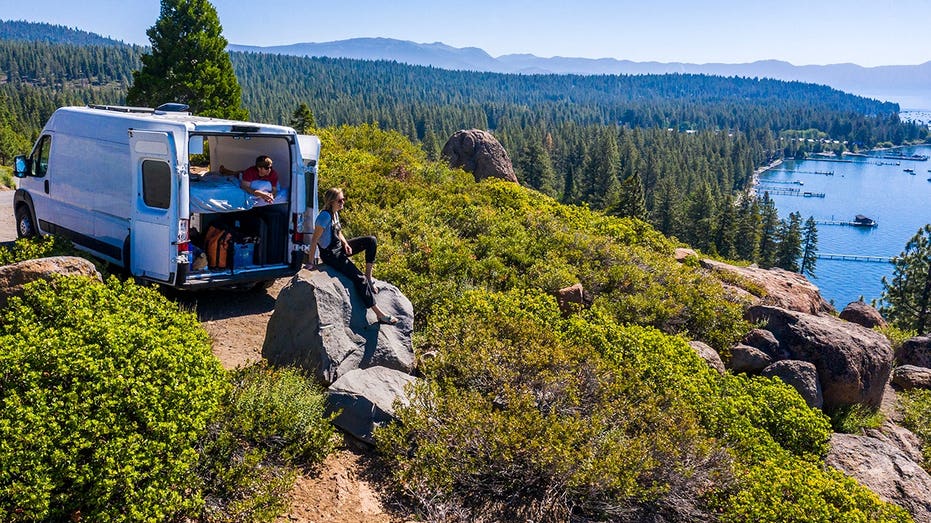
The US Forest Service is proposing new and increased recreation fees across Lake Tahoe's basin, meaning several previously free sites would start charging visitors and existing charges would rise. The Lake Tahoe Basin Management Unit says the changes would apply to campgrounds, beaches, trailheads and picnic areas, with revenue going towards maintaining and improving the sites. The plan has prompted a mixed reaction online, with some visitors objecting to paying for places they use regularly, particularly locals, while others accept fees during peak summer periods but not year-round.
Under the proposal, Kiva Beach and the Taylor Creek Visitor Center would begin charging $10 per vehicle, later rising to $15, while the fee at Eagle Falls Picnic Area and Trailhead would double from $5 to $10 before eventually reaching $15. Luther Pass Overflow Campground and Watson Lake Campground, currently free, would each start charging $20 per site. More than 37% of recreation sites would remain free under the plan, and nationally recognised fee-free days would continue. The public can comment until 29 September, after which a citizens advisory committee will review the proposal before the regional forester makes a final decision; federal law allows the Forest Service to retain at least 80% of fees collected for local use.
- Forest Service proposes new and higher fees at Lake Tahoe sites
- Some free spots, like Kiva Beach, would start charging $10-$15
- Public comment open until 29 September; final decision comes later
New here? Start with this
Lake Tahoe, the large alpine lake straddling California and Nevada, is a major US holiday destination known for its beaches, hiking trails and campgrounds. Much of the land around the lake is federally owned and managed by the US Forest Service, which runs many of the recreation sites that visitors use, from picnic areas to campsites.
The Forest Service is now proposing to introduce or raise fees at a number of these sites in the Lake Tahoe basin, with some places that are currently free set to start charging, and existing charges going up over time. The stated aim is to raise money to maintain and improve the sites, and rules mean most of that revenue stays in the local area rather than going elsewhere.
The proposal matters because it could affect the cost of visiting a popular tourist area, and has drawn different reactions from local residents, who may use the sites often, and from visitors who come mainly in summer. The public is being given a period to comment before any final decision is made.
Both sides, in good faith
The strongest fair case each way — we don't pick a winner.
The case for
Supporters argue that Lake Tahoe's forests, beaches and trails face heavy visitor pressure and years of deferred maintenance, and that modest, targeted fees are a fair way to fund upkeep without relying solely on stretched federal budgets. They point out that most revenue stays local, over a third of sites remain free, and fee-free days continue, so the burden falls mainly on those actively using improved facilities rather than the wider public. For them, paying a few dollars to protect a fragile alpine environment and keep sites clean and safe is a reasonable trade-off for long-term preservation.
The case against
Critics, particularly local residents who visit regularly, argue that public lands funded by taxpayers should remain accessible without repeated charges, especially at previously free sites like Luther Pass and Watson Lake. They worry that stacking fees across multiple nearby locations disproportionately affects lower-income families, frequent local users and spontaneous day-trippers, effectively pricing ordinary people out of places meant to be shared national assets. Some also question whether year-round charges are justified when pressure on the basin is heaviest only during peak summer months, preferring seasonal fees over a permanent increase in the cost of visiting.