Manchester City whistleblower Rui Pinto to leave Portugal over safety fears
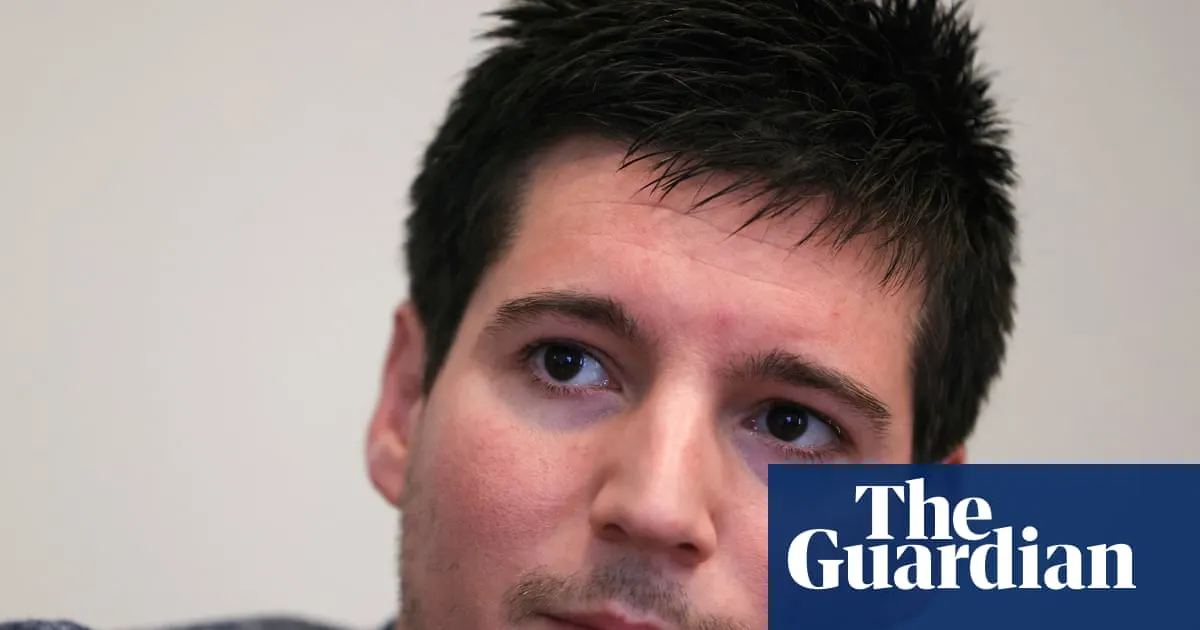
Rui Pinto, founder of Football Leaks and whistleblower in the Manchester City investigation, has announced he is leaving Portugal after his witness protection status was terminated. The Portuguese authorities removed his protection two days after the Premier League found Manchester City guilty of 115 charges, which was an investigation directly prompted by Pinto's leaked documents. Pinto claims this decision places him in life-threatening danger and that he has received multiple death threats.
Pinto was informed of the termination on Wednesday and revealed the decision on Friday. His lawyers have announced they will appeal, describing his situation as "critical" and arguing the decision was taken without giving him a hearing and violates the rule of law. Pinto has launched a GoFundMe campaign seeking €3m (£2.55m) to fund his relocation to an undisclosed location. His lawyers note he was assaulted in Lisbon last April and claim his revelations have implicated powerful individuals with substantial resources across multiple ongoing legal proceedings.
- Football Leaks founder Rui Pinto losing witness protection in Portugal, fears for his safety.
- Removal came two days after Manchester City's 115-charge Premier League guilty verdict.
- He plans to relocate and has launched €3m GoFundMe campaign.
New here? Start with this
Rui Pinto is a Portuguese whistleblower and founder of Football Leaks, an online platform that publishes confidential documents from football clubs and governing bodies. Since 2015, he has released thousands of leaked documents exposing financial arrangements, contracts and other sensitive information across professional football.
Pinto's leaked documents formed the foundation of a major investigation into Manchester City's financial practices and regulatory compliance. The Premier League concluded that Manchester City had breached its financial regulations on 115 separate occasions over fourteen years. This investigation emerged as one of the most significant regulatory cases in modern football.
Individuals who publicly expose wrongdoing by powerful organisations often face substantial personal risk and intimidation. Pinto had been under witness protection in Portugal whilst his leaked documents were used as evidence in legal proceedings involving Manchester City and other cases. The vulnerability of whistleblowers to threats and retaliation is why protection schemes exist.
Both sides, in good faith
The strongest fair case each way — we don't pick a winner.
The case for
Whistleblowers who facilitate major criminal investigations deserve sustained protection when they face documented threats, particularly when their revelations have led to serious legal consequences. Terminating Pinto's protection without prior notice or hearing violates rule of law principles fundamental to democratic governance. The timing—two days after Manchester City charges—appears suspicious, and his prior assault and reported death threats indicate that removal of protection creates genuine danger.
The case against
Witness protection programmes are designed to support participation in active investigations and legal proceedings, not to provide indefinite personal safety arrangements. Once criminal charges have been filed and the investigation phase concluded, the primary purpose of protection is fulfilled. Individuals have responsibility for their own security, which can be addressed through personal resources and commercial services. Protection programmes must be administered sustainably, and indefinite protection for all former witnesses is neither practical nor a government responsibility.