Technology news and discussion on TalkFuse.
Marmite and Dove owner Unilever warns of price rises due to growing costs
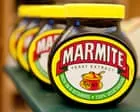
Unilever, the corporation behind familiar household names such as Marmite, Dove, and Hellmann's, has signalled that consumers should brace for higher prices on its products over the coming months. The company attributed the anticipated price increases to mounting costs for raw materials and services, though it acknowledged that price growth has temporarily slowed due to World Cup-linked promotional activity and competitive pressures in key markets like Brazil. Strong underlying sales in the second quarter—with revenues increasing 5.8% and total turnover reaching €13 billion—suggest that consumers have maintained their preference for Unilever's established brands even amid widespread financial strain, rather than switching to budget alternatives.
The underlying driver of cost inflation stems from disruptions to global petroleum supplies, particularly reduced cargo transport through the Strait of Hormuz following geopolitical tensions in March. Despite occasional periods of price relief in crude oil markets, the overall impact on manufacturing has not diminished enough to offset input cost pressures. Economists warn that if petroleum prices stabilize above $90 per barrel, the cumulative effect on transportation costs and commodity pricing could force the Bank of England to revise its inflation projections and potentially raise interest rates sooner than anticipated, placing additional financial burden on households already contending with elevated living expenses.
In short
- Unilever warns of accelerating price increases due to rising commodity costs linked to elevated global oil prices
- Despite cost-of-living pressures, consumers have remained loyal to Unilever's premium brands rather than switching to budget alternatives
- Economists caution that sustained high oil prices could reignite inflation and force the Bank of England to raise interest rates sooner than expected
Steelman: both sides, in good faith
The strongest fair case each way — we don't pick a winner.
The case for
Global supply chain disruptions, particularly reduced petroleum flows through the Strait of Hormuz, genuinely increase manufacturing and transportation costs for multinational manufacturers. Companies like Unilever must raise prices to maintain operational viability and investment capacity; absorbing all cost increases would erode profitability, limit innovation, and ultimately harm competitiveness and employment. Consumer willingness to remain loyal to Unilever brands despite higher prices, rather than switching to cheaper alternatives, suggests that customers accept the value proposition and that price increases reflect genuine market-clearing responses to real cost pressures.
The case against
Large corporations with strong brand loyalty and market dominance can absorb input cost increases through margin compression without severely damaging shareholder returns; choosing to raise prices instead prioritises profit expansion during inflationary periods over consumer welfare. These price increases contribute to persistent inflation and disproportionately harm lower-income households already struggling with cost-of-living pressures. Corporations should bear some responsibility for buffering consumers from economic shocks rather than consistently passing all costs downstream, especially when they retain substantial pricing power and profitability.
Explained simply
Unilever is one of the world's largest consumer goods companies, responsible for everyday products found in most British homes including Marmite, Dove soap, and Hellmann's mayonnaise. The firm has warned that it will raise prices on many of these products in the coming months because the costs of raw materials and services have climbed significantly. Despite financial pressures on households, Unilever's sales remain strong, suggesting consumers have stuck with well-known brands rather than switching to cheaper alternatives.
The price increases stem largely from global supply chain disruptions affecting petroleum prices. Tensions in the Middle East have reduced shipping through the Strait of Hormuz, pushing up crude oil prices and making transport more expensive. Even though oil prices have fluctuated, the cumulative impact on manufacturing costs has not eased sufficiently to prevent companies like Unilever from passing costs on to consumers.
The implications extend beyond individual shopping bills. Economists are watching petroleum prices closely because if crude remains above $90 per barrel, the knock-on effects could force the Bank of England to revise its inflation forecasts and raise interest rates sooner than expected. This would increase borrowing costs for households already contending with higher living costs.
AI Art Business Companies Culture Elections Politics Software Technology