Martin Clunes sees nearby Dorset farm development plans withdrawn after objections
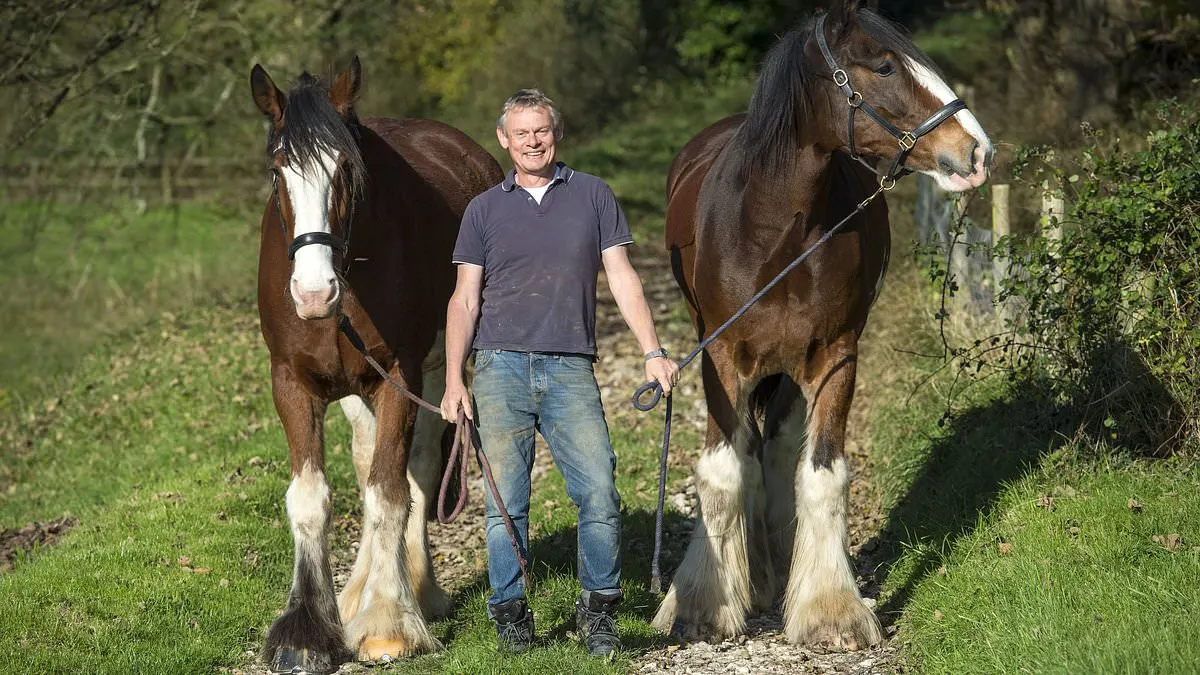
Martin Clunes has blocked plans for an eco-business development near his £5 million Dorset farm after neighbours Andy Cream and Grace Burger withdrew their planning application. The victory follows Clunes's four-year loss against neighbours Theo Langton and Ruth McGill, who were granted permission to make their traveller site permanent. The dispute involves plans for a farming and food production business on land just 150 yards from his home.
Cream and Burger had proposed a storage barn, two polytunnels and a greenhouse for selling locally-grown fruit and vegetables via e-bike, framing it as supporting food security and carbon reduction. The application had backing from Langton, but Clunes objected in a critical council letter, suggesting the farming plans masked an intention to establish permanent residence. This marks the third application the couple have withdrawn from the site, following earlier submissions that also faced objections from Clunes and his TV producer wife Philippa Braithwaite.
- Doc Martin actor blocks eco-farm development near Dorset home
- Neighbours withdrew application after facing opposition from Clunes
- Third planning withdrawal from same site and couple
New here? Start with this
Martin Clunes, known for his television work, owns a farm in Dorset and has been involved in several planning disputes with his neighbours. Two neighbours, Andy Cream and Grace Burger, have withdrawn their planning application for a farming and food production business on land close to Clunes's property. This is the third application that Cream and Burger have withdrawn for the same site.
Cream and Burger had proposed creating a storage barn, polytunnels and a greenhouse to grow and sell locally-produced food via e-bike delivery. Clunes objected to the proposal, questioning in a council letter whether the farming plans were genuine or whether they were intended as a way to establish permanent residence. He has been joined in his objections by his television producer wife, Philippa Braithwaite.
This dispute is part of a broader history of planning disagreements in the area. Clunes previously opposed another neighbouring couple, Theo Langton and Ruth McGill, over a traveller site, but after a four-year dispute he was unsuccessful and they were granted permission to make their site permanent. These ongoing disputes reflect tensions between local residents over how land in the area should be used.
Both sides, in good faith
The strongest fair case each way — we don't pick a winner.
The case for
Property owners have legitimate grounds to scrutinise development proposals that could alter neighbourhood character or mask residential use beneath agricultural framing. Clunes's concerns merit careful examination, particularly given the pattern of repeated applications and the proximity to his home. Protecting rural character and preventing mission creep from announced purposes represents a reasonable planning principle that serves broader community interests in sustainable land use.
The case against
Small-scale agricultural enterprises supporting local food production and environmental sustainability merit encouragement as serving genuine public interests in food security and carbon reduction. Objections from wealthy neighbours to modest farming operations risk prioritising private amenity over collective environmental and food security goals, reflecting property-protection concerns rather than legitimate planning issues. Farmers deserve reasonable latitude to develop their land productively without wealthy residents using planning processes to block viable agricultural businesses.
Art Celebrity Culture Entertainment Travel World
Read the full article at the source →
Originally published by Daily Mail as “Martin Clunes wins planning battle against site being built next to his £5million farm amid fears it could turn into hub for travellers”.