Massive risk in South China Sea exposed after four-day power loss on US Navy destroyer
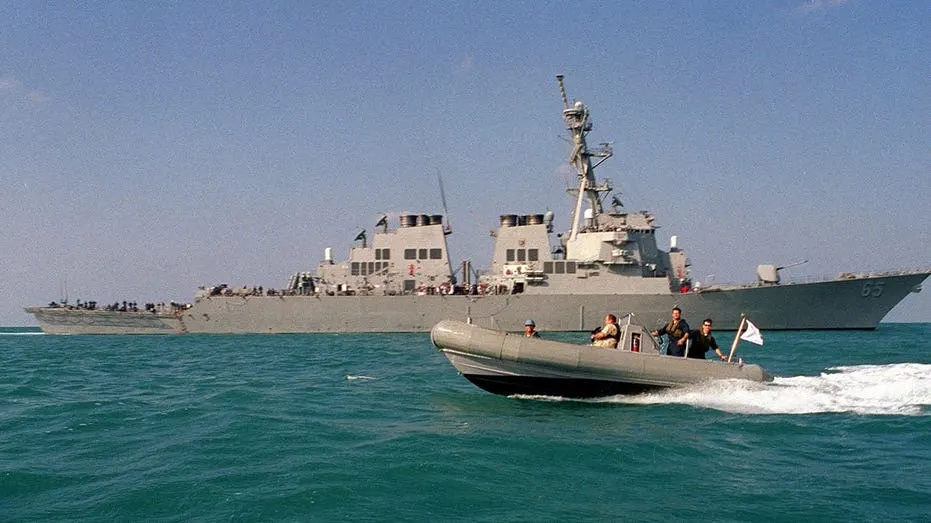
A US Navy guided-missile destroyer lost power for four days while operating in the South China Sea, forcing it to be towed out of the contested waters, an incident that has highlighted vulnerabilities in America's naval presence in a strategically sensitive region. The episode comes amid wider concerns about the US Navy being overstretched, with retired Navy Captain Brent Sadler warning that the fleet lacks sufficient ships to counter threats from adversaries such as China and Iran.
Sadler pointed to the USS Abraham Lincoln's unusually long 250-day deployment as further evidence of the strain on naval resources, and called on the US government to build more ships so that the traditional six-month deployment standard can be restored. The South China Sea remains a flashpoint amid ongoing territorial disputes involving China, making any prolonged loss of propulsion or power aboard a US warship in the area a significant operational and strategic concern.
In short
- US Navy destroyer lost power for four days in South China Sea
- Vessel had to be towed out of contested waters
- Experts warn the US Navy fleet is overstretched and under-resourced
Steelman: both sides, in good faith
The strongest fair case each way — we don't pick a winner.
The case for
This incident exposes a critical vulnerability in US naval operations within a contested region where Chinese capabilities are expanding. A four-day power loss during deployment suggests systemic strain on the Navy's ability to maintain continuous operations; when the fleet is already stretched to 250-day deployments well beyond the intended six-month standard, adding more ships is essential to ensure adequate operational readiness, maintenance windows, and crew sustainability whilst maintaining necessary strategic presence.
The case against
A single technical incident aboard one destroyer does not justify wholesale fleet expansion, which would consume years and vast resources to implement. The real problems may lie elsewhere—inadequate maintenance budgets, crew training deficiencies, or poor resource prioritisation—rather than insufficient ship numbers. The Navy's technological superiority and operational presence remain unmatched in the region, and this incident was handled professionally without escalation. Investment should focus on maximising readiness and efficiency of the existing fleet rather than embarking on expensive new construction.
Explained simply
The South China Sea is a busy stretch of water in the western Pacific, bordered by several countries. China and other states disagree over who controls parts of it, and the United States sends naval ships through the region.
US Navy destroyers are warships used to protect other vessels and carry out military operations. The Navy also operates aircraft carriers, including the USS Abraham Lincoln, whose deployments can last many months.
Keeping ships at sea requires enough vessels and crews to share the workload. The length of deployments and the number of ships available are therefore part of wider discussions about the US Navy’s capacity to maintain a presence in regions where tensions persist.