Meta Opens Muse AI Development to Hobbyists With Open-Source Hardware Tools
Developing story first seen 2 hours ago
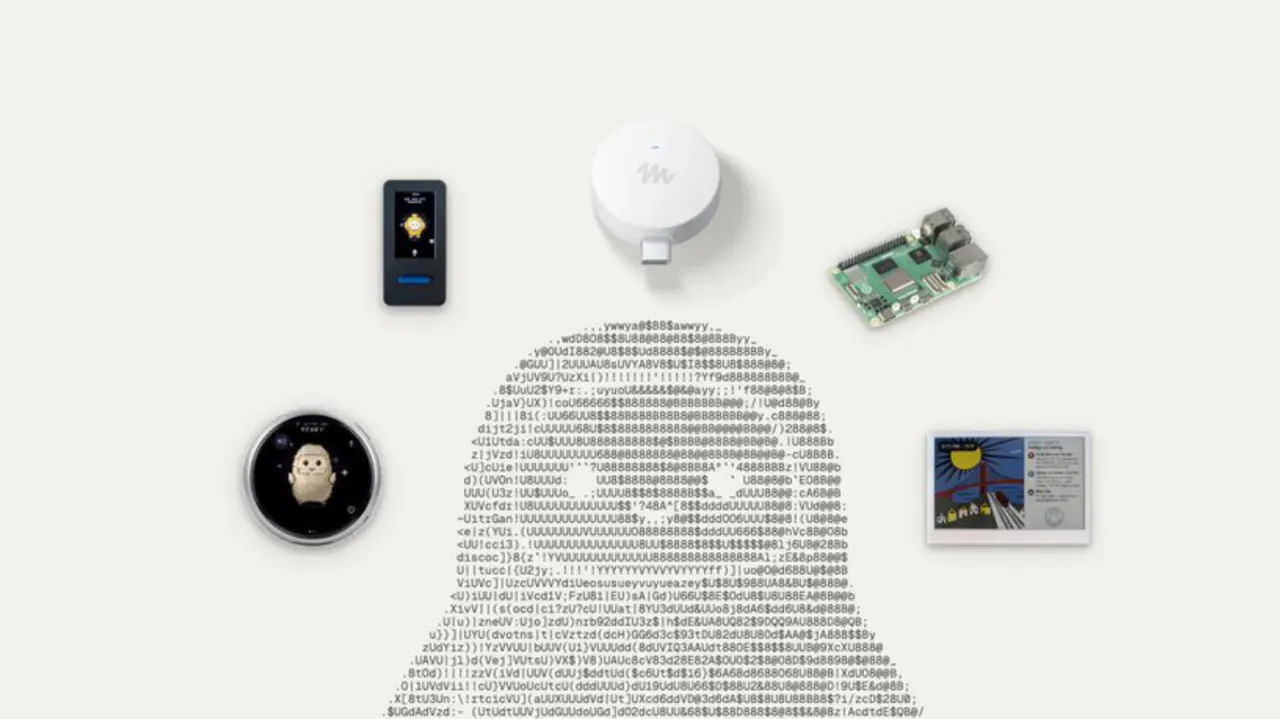
Meta has opened development of hardware for its Muse AI agent to hobbyists through a new open-source project called Muse Gadgets. The move lets developers explore devices beyond Meta’s own products and could give the company ideas for future hardware.
Meta is providing open-source firmware and a Linux SDK, and has suggested formats such as an E Ink display, a TV dongle or a small touchscreen accessory. It has also built the Muse Home Link, a USB-C-powered device that connects Muse to compatible smart-home devices over a home network; Meta says it made 5,000 and will give them to Muse subscribers. The project has a dedicated Discord community, while the Muse Charm was recently announced as a way to talk to the agent without wearing smart glasses.
- Meta opened Muse hardware development to hobbyists.
- Developers get open-source firmware and a Linux SDK.
- 5,000 Home Links are planned for Muse subscribers.
New here? Start with this
Muse is an AI assistant made by Meta, the technology company that owns Facebook. It works like other AI assistants such as Siri or Alexa, responding to voice commands and questions, but Meta is attempting to make it available through various devices including smart glasses and other hardware.
By releasing open-source tools to hobbyists and independent developers, Meta is essentially inviting people outside the company to experiment with Muse on new types of devices. The company could then use these experiments as inspiration for its own products, whilst also building a community of people interested in developing AI-powered hardware.
This strategy reflects the wider competition in the technology industry around artificial intelligence. Companies are racing to integrate AI into everyday objects and wearable devices, and by crowdsourcing ideas from hobbyists, Meta hopes to stay competitive and discover new ways people might want to use AI in their daily lives.
Full account
Meta has expanded access to its Muse AI assistant by releasing open-source development tools and hardware specifications, enabling enthusiasts and tinkerers to construct their own Muse-equipped devices.
The initiative, branded as Muse Gadgets, provides developers with access to firmware and software development kits targeting popular maker platforms. Meta has outlined various potential applications, including integrating the assistant into electronic ink displays for reminders, embedding it into streaming devices for television integration, and housing it within portable touchscreen interfaces. The company has emphasised the flexibility of the platform, suggesting that enthusiasts could connect the agent to diverse hardware components and sensors. To support the community effort, Meta has established a dedicated Discord server.
Meta has also unveiled its own reference implementation through the Muse Home Link, a USB-powered device designed for domestic automation. The gadget allows the Muse agent to interface with connected home devices including televisions and audio systems. The company intends to distribute 5,000 units of the Home Link at no charge to interested parties through a waitlist system, with deliveries anticipated within the current month.
The Muse Charm, a wearable AI companion, was introduced by CEO Mark Zuckerberg at Meta's recent Connect conference. The release of open-source tools and hardware specifications may enable Meta to evaluate innovative use cases developed by the hobbyist community, potentially informing the direction of the company's broader hardware strategy. The company has cautioned that users assume responsibility for their own implementations.
Where outlets differ
Source 1 emphasises the DIY experimental nature and explicit risk warnings, whilst Source 2 frames the initiative more as a structured community project with infrastructure support
Source 2 provides contextual background about the Muse Charm and its unveiling at Connect; Source 1 assumes reader familiarity with the broader product ecosystem
Source 2 specifically mentions the Discord community Meta established; Source 1 does not reference community infrastructure
Source 1 emphasises practical applications through community-built skills; Source 2 emphasises technical specifications and protocol requirements
Source 2 explicitly notes the potential for hobbyist creations to inform Meta's future hardware direction, which Source 1 does not suggest
Coverage
- The Verge — Meta releases code for custom Muse AI gadgets with household controls
- Engadget — Meta wants people to build their own Muse gadgets, too