Meta’s new holographic avatars are here and they’re surprisingly real
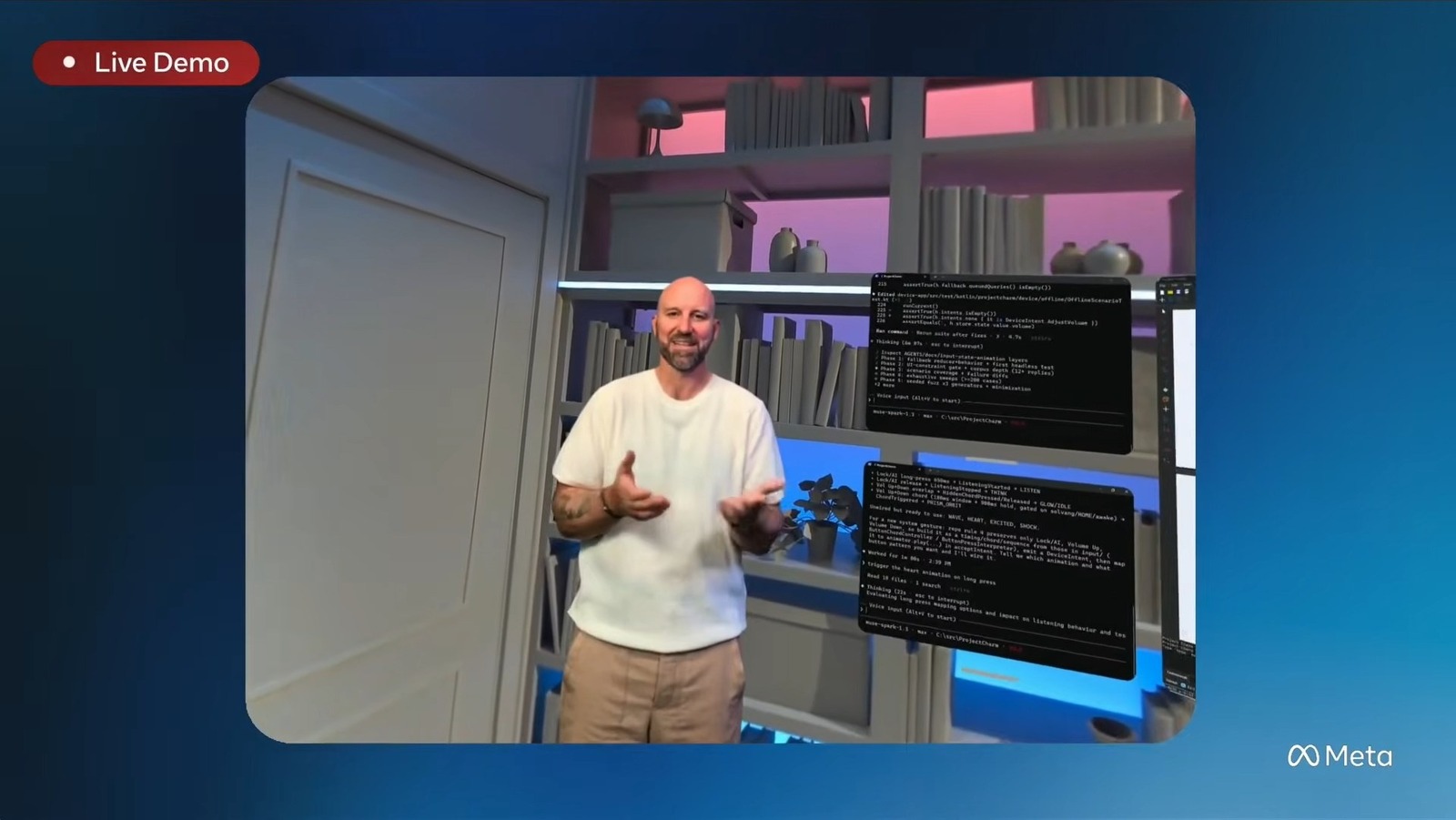
Meta has announced holographic avatars that will be integrated into its new VR glasses and Ray-Ban Display frames, marking a significant advancement in avatar technology. The avatars are sufficiently realistic that the journalist testing them initially mistook one for a real person during a WhatsApp video call, demonstrating how far the technology has progressed from earlier iterations. The development represents Meta's ambitious push to make virtual communication feel more natural and immersive across its upcoming hardware.
For the display-enabled glasses, avatar creation takes approximately five minutes and involves photographing your face from different angles via the Meta AI app, along with voice recordings to capture your expression patterns. The system uses Meta's Muse Realtime Avatar model to approximate your facial expressions during calls on WhatsApp or Zoom. For VR glasses, the process is even more advanced—full-body avatars are generated using the device's sophisticated cameras and sensors, eliminating the need to teach the system your expressions beforehand. Both implementations include a transparent watermark to identify avatars to other users, though the technology does have limitations: the avatars show only a frontal 2D view with some distortion around the edges and feet, and are less lifelike than they initially appear when users are unfamiliar with the person being represented.
- Meta's avatars fool users initially; they appear far more realistic than competitors' versions
- Setup takes 5 minutes; works on display glasses and VR headsets
- Full-body VR avatars possible, but technology limited to frontal 2D views