Microsoft Redesigns Copilot as Unified Workplace Platform with Office Integration and AI Automation
Developing story first seen 32 minutes ago
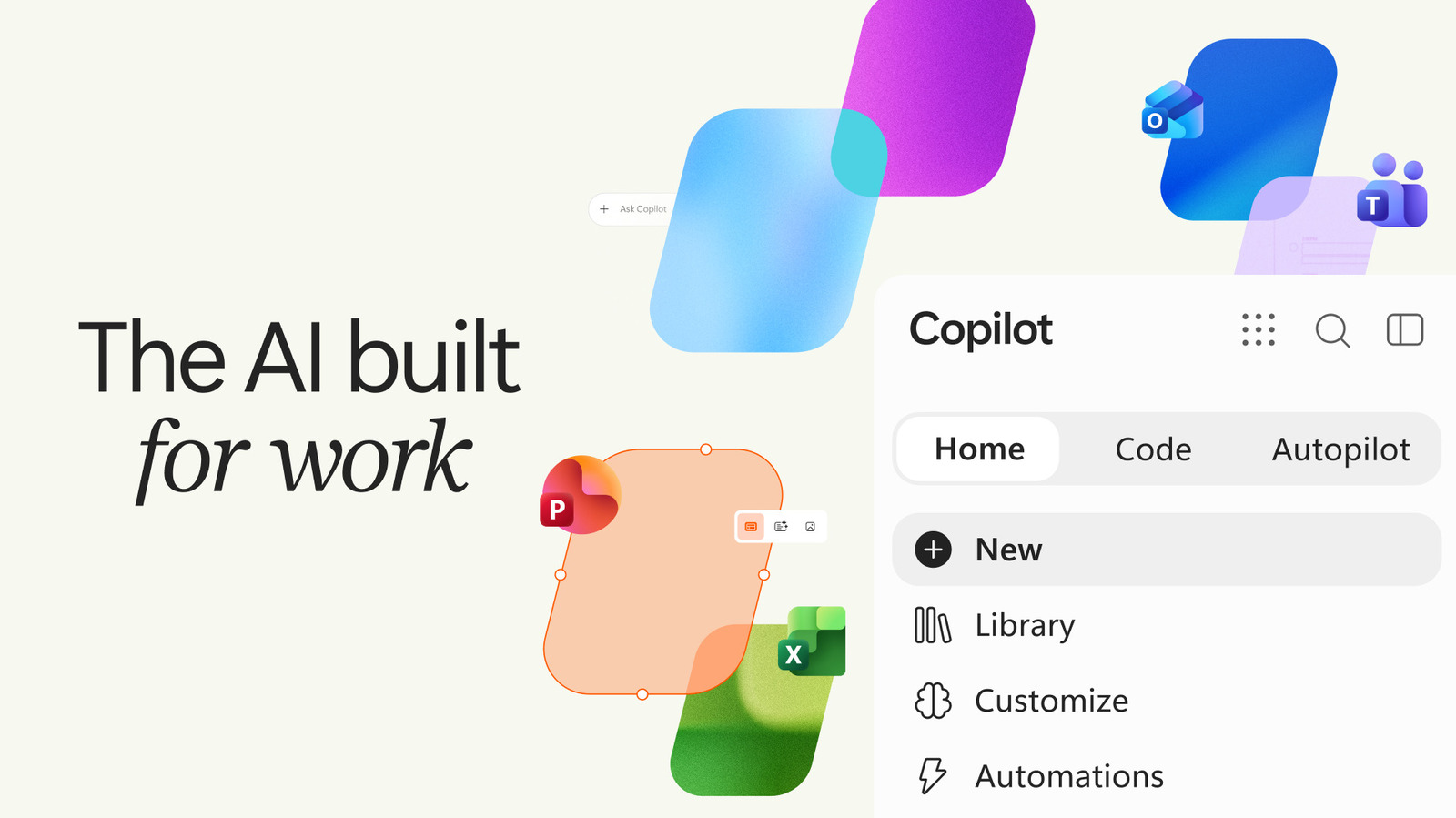
Microsoft is redesigning its Copilot app with a tabbed interface and direct Office integration, bringing chat, task-building and automated agents into one workplace platform. The change is intended to make Copilot more useful for businesses that handle data, reports, presentations and recurring workflows, although Microsoft has yet to establish comparable consumer demand.
The Home tab will support everyday conversations and eventually route requests between basic Chat and more capable Copilot modes. Code will let users describe apps, dashboards, widgets or automations in plain language, while Autopilot will handle recurring work autonomously, such as organising supplier reviews, meetings, follow-ups and stakeholder updates.
- Microsoft is unifying Copilot’s workplace tools in a redesigned app.
- Office integration targets business productivity and enterprise workflows.
- New modes enable natural-language building and autonomous task management.
New here? Start with this
Copilot is an artificial intelligence assistant that Microsoft has developed to help with work tasks. It has been integrated into various Microsoft products, but the company is now attempting to create a more unified version that brings all its capabilities together in one application.
The redesign aims to help businesses manage common workplace activities more efficiently, from handling documents and data to organising meetings and workflows. By integrating Copilot more directly with Microsoft's office software like Word and Excel, Microsoft intends to make it easier for companies to use AI assistance without switching between multiple tools.
The shift reflects a broader belief among technology companies that artificial intelligence will become central to how people work. However, Microsoft faces a challenge in convincing everyday consumers and smaller businesses that they need such a tool, even as larger enterprises explore AI-powered workplace solutions.
Both sides, in good faith
The strongest fair case each way — we don't pick a winner.
The case for
Unified workplace automation represents a genuine productivity advancement that allows workers to escape tedious, repetitive tasks and focus on higher-value creative and strategic work. Integrated AI that handles routine administrative work—scheduling, data organisation, follow-ups—streamlines operations and improves efficiency for both organisations and employees, reflecting meaningful progress in workplace technology that can enhance job satisfaction and organisational competitiveness.
The case against
Deep integration of AI automation into workplace platforms raises substantial concerns about job displacement, worker autonomy and the pace of change without adequate support or retraining systems. Concentrated algorithmic decision-making in workplace systems creates risks around employee monitoring, data privacy and unequal distribution of benefits, wherein organisations gain efficiency gains whilst workers face intensified oversight and potential skill devaluation without genuine consultation about whether such changes align with their interests or wellbeing.
Coverage
- The Verge — Microsoft unveils Copilot platform combining workplace chat, coding and AI agents
- Engadget — Microsoft expands Copilot with Office tools and no-code automation