Ministers explore how to stop regional leaders misusing planned new spending powers
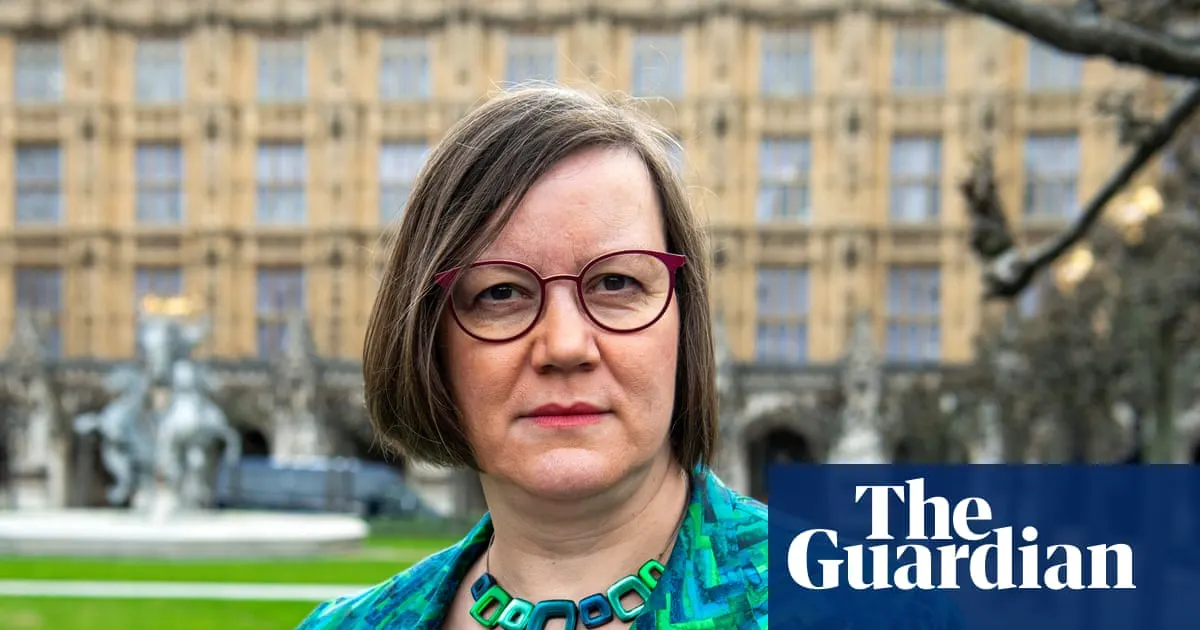
Ministers are considering how to scrutinise English mayors and council chiefs if they receive greater control over public revenue. The proposals aim to ensure local leaders can be held to account for spending decisions, including between elections, as the government prepares to expand devolution.
Options discussed include a Westminster select committee, tougher reporting rules and a dedicated audit body; officials have also raised the possibility of recalling mayors who misuse funds. A government white paper due later this month is expected to set out plans for devolving more income tax revenue. The Institute for Fiscal Studies has warned that funding arrangements may need equalisation payments to stop wealthier areas pulling further ahead.
- Ministers are weighing new checks on regional spending.
- Plans include stronger reporting and possible audit reform.
- Funding rules may need to prevent richer areas pulling ahead.
New here? Start with this
The government is planning to give English mayors and council leaders greater control over how public money is spent in their regions. This represents a shift towards 'devolution', where power is transferred from central government to local areas so communities can make decisions suited to their own needs.
With greater financial power comes risk: that local leaders might misuse funds or spend money in ways that are hard for voters to challenge between elections. The government is therefore looking at various safeguards, including tighter financial reporting, independent auditing of spending, and potentially the ability to remove mayors who abuse their powers.
This matters because how these safeguards work will determine whether local leaders can truly be held to account. The issue also raises broader questions about fairness, since wealthier regions may generate more local revenue than poorer ones, potentially widening inequality across the country.
Both sides, in good faith
The strongest fair case each way — we don't pick a winner.
The case for
Meaningful devolution requires local leaders to exercise genuine decision-making authority, which excessive Westminster oversight would undermine. Regional and council leaders are closer to local needs and priorities than distant ministries, and their constituents have direct democratic accountability through local elections. Proliferating select committees, audit bodies and other scrutiny mechanisms risk creating layers of bureaucracy that slow progress and dilute the autonomy that devolution aims to provide. Trust in local democratic accountability should be the primary safeguard, not endless central reporting requirements that replicate the centralised control devolution seeks to escape.
The case against
Devolving control over significant public revenue absolutely requires robust oversight to ensure funds are spent effectively and fairly across all regions. Without mechanisms like select committees, independent audit bodies and recall provisions, there is genuine risk of misuse, incompetence, or decisions made between elections that harm vulnerable populations with no immediate accountability. These safeguards need not prevent genuine devolution; they simply ensure taxpayer money is protected and that wealthier areas cannot use autonomy to disadvantage poorer regions. Central oversight of public spending is a legitimate responsibility that complements rather than contradicts meaningful devolution to capable, accountable local leaders.