Minnesota Ends 49-Year Home Drought Against Michigan, Exposing Questions Over Wolverines’ NIL Spending
Developed over time first seen 50 minutes ago
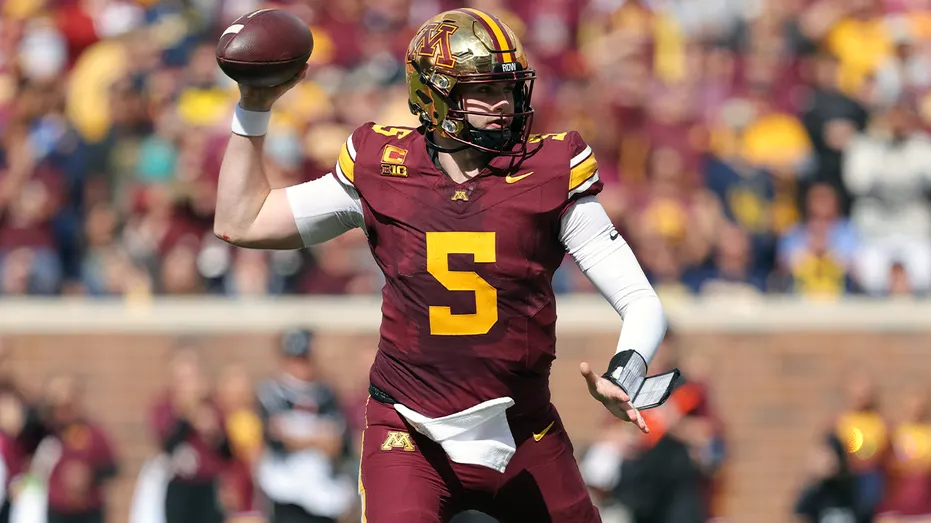
Minnesota's Golden Gophers secured a significant upset victory over Michigan with a 20-14 win on Saturday, claiming the Little Brown Jug for the first time at home since 1977. The victory came despite Minnesota entering as 8.5-point underdogs, showcasing a strong defensive and offensive performance that left the favoured Wolverines struggling after their earlier defeat to Iowa.
The loss compounds Michigan's recent struggles and has drawn scrutiny over the programme's substantial investments in player compensation through NIL (Name, Image, Likeness) deals. With high-profile donor funding behind the team, questions have emerged about whether those financial commitments are translating into competitive results on the field, particularly given back-to-back losses to ranked opponents.
- Minnesota defeated Michigan 20-14 as 8.5-point underdogs, securing the programme's first home victory against the Wolverines since 1977
- The loss marks Michigan's second consecutive defeat and raises concerns about the effectiveness of the programme's substantial NIL spending
New here? Start with this
Minnesota's Golden Gophers defeated Michigan's Wolverines 20-14 on Saturday, ending a 49-year home victory drought in the rivalry. The Gophers had not won at home against Michigan since 1977, marking a significant historical milestone. The result was an upset, as Michigan had entered as 8.5-point favourites, yet Minnesota delivered an effective defensive and offensive performance.
The loss has raised questions about Michigan's substantial investments in player compensation through NIL deals. NIL stands for Name, Image and Likeness, and these agreements allow college athletes to earn money from endorsements, funded by wealthy university boosters. The Wolverines have committed significant resources to this strategy in an effort to attract and retain top talent.
Despite these financial investments, Michigan has now suffered back-to-back losses to ranked opponents, including this defeat and an earlier loss to Iowa. This has prompted scrutiny of whether the university's spending on player compensation is translating into competitive results on the field.
Both sides, in good faith
The strongest fair case each way — we don't pick a winner.
The case for
Michigan's programme invested heavily in player compensation through NIL deals with the expectation this would translate to on-field competitiveness, yet the team has now lost consecutively to ranked opponents and suffered a home defeat to an underdog Minnesota team. This raises legitimate questions about whether the financial commitments are yielding returns commensurate with their scale, and whether fundamental issues in programme management, coaching, or player utilisation are preventing the talent acquisition strategy from producing the anticipated results.
The case against
College football inherently features substantial competitive variance, and two losses cannot fairly evaluate a programme's entire strategic approach to player compensation; moreover, NIL deals serve multiple purposes beyond immediate competitive success, including player development, retention, and institutional reputation. Attributing athletic underperformance primarily to spending decisions oversimplifies a complex sport where coaching, execution, injury, and opponent quality determine outcomes far more directly than financial expenditure alone.
Coverage
- Fox News — Minnesota quarterback gets kicked in the crotch by teammate en route to upset win over Michigan
- Fox News — Big money, bigger disaster: Minnesota exposes Michigan as Wolverines are latest example of wasted NIL funds