Weird & Viral news and discussion on TalkFuse.
MLB’s first female home plate umpire statistically ranks among 2026’s worst
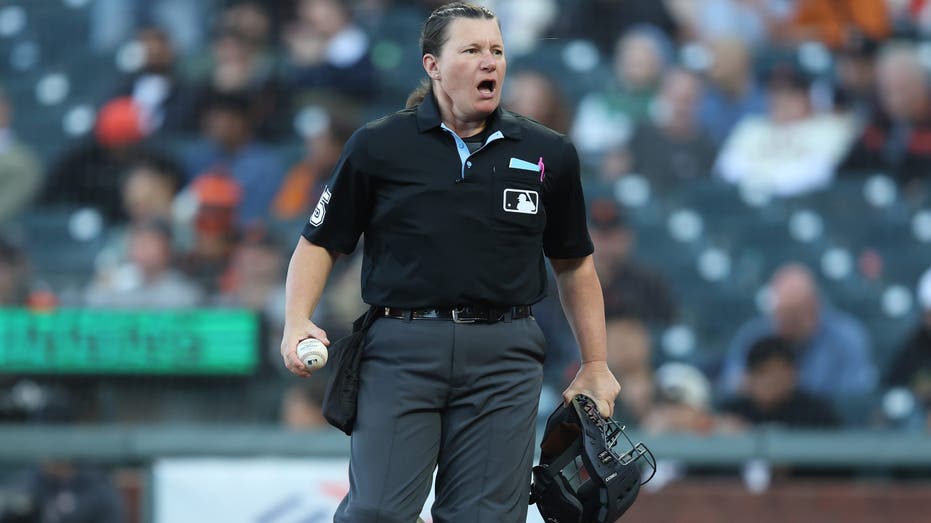
Jen Pawol, who made history as Major League Baseball's first female home plate umpire during the 2025 season, has reportedly ranked among the sport's worst-performing umpires statistically in 2026. Her appointment had already prompted debate over whether she earned the role on merit or was primarily a symbolic gesture towards inclusion and diversity within MLB officiating, and the new statistical ranking has reignited that discussion.
The article, published by OutKick, does not provide the specific metrics or data underpinning the claim that Pawol ranks poorly among umpires this season, as the available text is limited. It notes that her historic debut last year drew scrutiny from the outset, with critics questioning the basis for her selection, while supporters viewed it as a milestone for representation in professional baseball umpiring.
In short
- Jen Pawol, MLB's first female home plate umpire, made history in 2025.
- She reportedly ranks among 2026's worst-performing umpires statistically.
- Her appointment remains a point of debate over merit versus diversity symbolism.
Steelman: both sides, in good faith
The strongest fair case each way — we don't pick a winner.
The case for
Those concerned about merit-based hiring argue that objective performance metrics in professional umpiring directly impact game integrity and fairness. If Pawol's statistical performance genuinely ranks among the worst, this suggests her appointment may have prioritised representation over demonstrated competence, which could undermine both her credibility and the sport's standards. They contend that hiring decisions should be based on qualifications and ability, not symbolic gestures, as this approach ultimately serves the sport and future diverse candidates better.
The case against
Supporters argue that one season's statistics cannot definitively determine whether an appointment was appropriate, particularly for someone breaking barriers in a new and pressurised role. They note that statistical rankings lack context—zone assignments, learning curves, and other variables affect results—and that many male umpires have had poor seasons without their fundamental competence being questioned. Beyond this, they contend that expanding opportunities for underrepresented groups matters alongside merit considerations, and that one person's performance doesn't negate the broader value of creating space for women in professional baseball.
Explained simply
Jen Pawol made history in 2025 when Major League Baseball appointed her as its first female home plate umpire, responsible for calling balls and strikes during games. Her appointment was significant because it broke a long-standing barrier in professional baseball, where umpiring has traditionally been an all-male field. Home plate umpires occupy one of the sport's most prominent and scrutinised positions.
Pawol's selection immediately prompted debate about whether she earned the role based on her qualifications or whether her appointment was primarily a symbolic gesture towards greater diversity in MLB officiating. Some critics questioned whether merit played the primary role in her selection, whilst supporters viewed it as an important milestone for representation in professional sports. This disagreement meant that her performance would inevitably attract intense scrutiny and be interpreted through differing perspectives.
Performance data for baseball umpires, which measure accuracy in calling plays, is publicly available and widely discussed within the sport. Discussions about Pawol's statistical performance have therefore reignited the original debate about her appointment and the reasoning behind it. How observers interpret her numbers often reflects their original views on whether her selection was primarily merit-based or diversity-focused.