More troops to be sent to West Bank village besieged by Israeli settlers
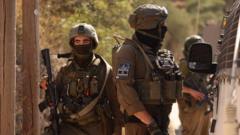
Israel says it will send additional troops to Qusra, an occupied West Bank village where Israeli settlers have surrounded two Palestinian families’ homes since Sunday. The families say their water and electricity were cut off, food ran low and their homes were attacked, while an earlier effort by security forces to remove the settlers failed. The episode has renewed scrutiny of settler violence and the Israeli authorities’ ability or willingness to curb it.
The Abu Ridi and Hassan families live on Qusra’s outskirts, south of Nablus, and the US embassy intervened after a Palestinian-American homeowner sought help; US ambassador Mike Huckabee called the settlers’ actions terrorism. Israeli forces used tear gas and stun grenades during clashes with settlers on Wednesday, and soldiers who initially prayed with the settlers are reportedly to face discipline. Qusra has experienced repeated attacks, including the arson of a mosque last month, while a similar siege in nearby Jalud in July ended with Palestinian owners leaving and settlers occupying their home.
- Israel plans more troops after settlers besieged Palestinian families in Qusra.
- Families report cut water, power and repeated attacks.
- The case highlights escalating settler violence in the West Bank.
Both sides, in good faith
The strongest fair case each way — we don't pick a winner.
The case for
Those supporting the deployment of additional troops could argue that the authorities have a duty to restore order rapidly where tensions between settlers and Palestinians risk escalating into violence. A larger, disciplined security presence may help separate groups, secure access routes and enable essential services to be restored, while reducing the chance that civilians or soldiers make panicked decisions amid uncertainty.
The case against
Critics could argue that sending more troops will not protect the affected Palestinian families unless the force is clearly directed to stop settler intimidation, reopen access to water and electricity, and enforce the law impartially. They may fear that a deployment focused chiefly on controlling Palestinians or protecting settlers could entrench unequal power and leave residents effectively confined in their homes, rather than addressing the immediate humanitarian and legal concerns.