Sainsbury’s can afford to walk away from Morrisons merger talks
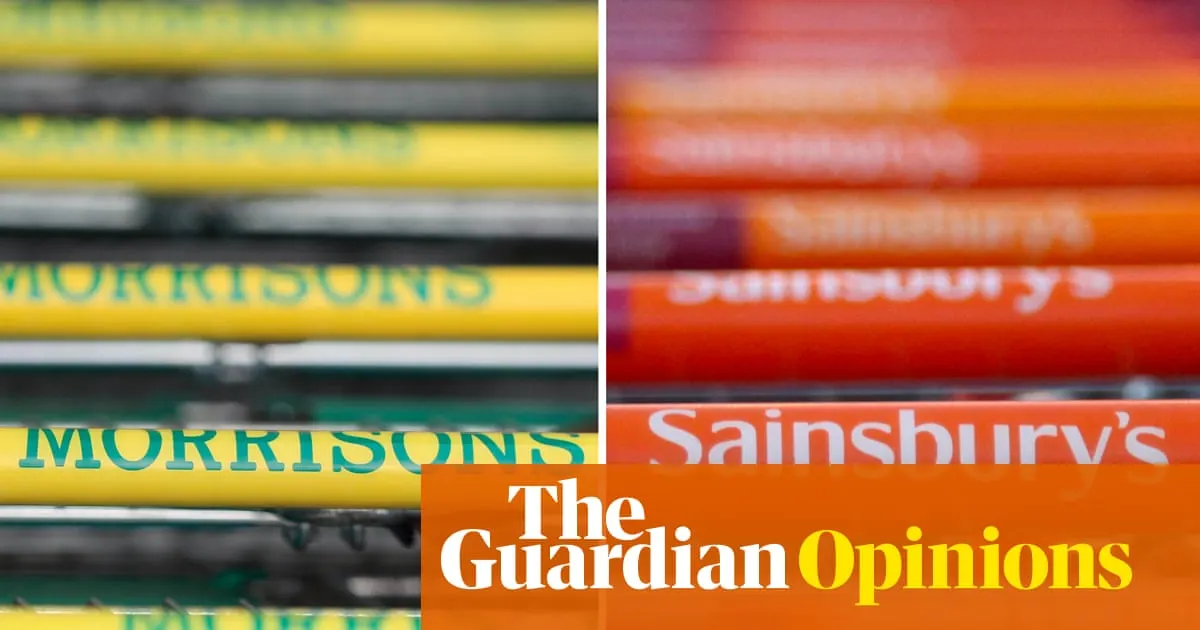
Sainsbury’s and Morrisons have ended merger talks, and the argument is that Sainsbury’s has little need to revive them unless the terms improve. A combination might win regulatory approval, but the review could require store sales and consume management time, while Sainsbury’s is already performing well.
Together, Sainsbury’s and Morrisons have 23.6% of the UK grocery market, compared with Tesco’s 27.8%; Aldi and Lidl account for almost a fifth. Morrisons also owns 18 food-processing factories, which could support arguments about UK food production, though regulators would assess local competition and may require remedies. Morrisons’ private equity owner, Clayton, Dubilier & Rice, is looking for an exit five years after buying the chain for £7bn, making Sainsbury’s a likely buyer, but not one that needs to rush.
- Sainsbury’s and Morrisons have ended merger talks.
- A deal could face store-sale requirements and a lengthy review.
- Sainsbury’s can wait for better terms.
New here? Start with this
Sainsbury's and Morrisons are two of Britain's largest supermarket chains. Potential mergers between major retailers are closely scrutinised by competition regulators who worry that such combinations could reduce customer choice and increase prices.
Together, Sainsbury's and Morrisons would control roughly 23.6% of the UK grocery market, compared to Tesco's 27.8% and the combined 20% held by discount chains Aldi and Lidl. Morrisons is currently owned by private equity firm Clayton Dubilier & Rice, which bought it five years ago for £7 billion and is seeking to exit the investment.
Regulatory approval for supermarket mergers often requires the sale of overlapping stores to address local competition concerns. Sainsbury's, however, is performing well financially and does not face pressure to expand, which means it has significant negotiating leverage as Morrisons' owners are more keen to find a buyer than Sainsbury's is to become one.
Both sides, in good faith
The strongest fair case each way — we don't pick a winner.
The case for
A merger would strengthen Sainsbury's competitive position against Tesco and provide economies of scale to compete with discount retailers Aldi and Lidl. Morrisons' eighteen food-processing factories represent valuable domestic production capability that supports UK food security and resilience in groceries. Even if regulatory approval requires some store divestitures, the underlying strategic logic remains sound as market consolidation continues.
The case against
Sainsbury's currently performs well independently and faces no urgent strategic imperative to acquire. The merger would trigger regulatory uncertainty consuming substantial management time and resources, with no guarantee of approval even after costly remedies and divestitures. With Morrisons' private equity owner seeking an exit, Sainsbury's can negotiate from strength, pursue better terms, or wait for alternative opportunities without the integration risks and distraction.
Read the full article at the source →
Originally published by The Guardian as “Morrisons is not a must-do deal for Sainsbury’s”.