My family fled the ‘butchers’ in Iran 50 years ago. We can’t give them what they want
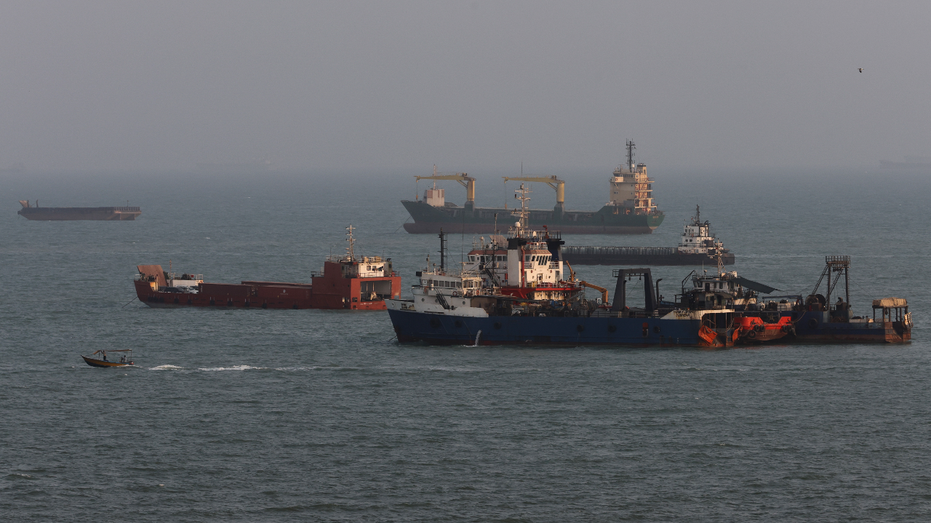
Following President Trump's announcement that the US Navy had cleared all Iranian mines from the Strait of Hormuz, an opinion piece by a writer whose Jewish family fled Iran during the 1979 revolution warns against complacency. The author argues that Tehran's 60-day negotiating window produced no concessions, with Iran's foreign ministry dismissing the deadline as irrelevant, and contends the regime is deliberately pursuing a strategy of "deception, defiance and delay" to outlast American resolve rather than confront US military power directly.
The piece highlights the cost imbalance driving this approach, noting Iran can produce a Shahed drone for around $20,000 against roughly $4 million for a US Patriot interceptor, and claims Tehran can manufacture some 10,000 drones a month while rebuilding missile facilities underground. It also points to Iran's 20-year partnership with Russia, missile-related chemical supplies from China and cooperation with North Korea as factors lowering the regime's costs of continued conflict, alongside allegations of a UN-documented pattern of abuses against women, harsh treatment of minorities and LGBT people, and a reported mass killing of protesters in January. The author, drawing on her family's experience as Iranian Jewish refugees, urges Washington not to ease pressure now that shipping through the strait has resumed.
- US Navy cleared Iranian mines from Strait of Hormuz, but author warns against relief
- Opinion piece says Iran uses "delay" tactics to outlast US resolve, not military might
- Cites cheap drones, Russia/China/North Korea ties, and rights abuses to justify sustained pressure
New here? Start with this
Iran's 1979 revolution overthrew the ruling monarchy and brought a religious government to power, prompting many minorities, including Iranian Jews, to flee the country. Decades on, tensions between Iran and the United States have flared again, most recently over Iran's nuclear and missile programmes and its alleged mining of the Strait of Hormuz, a narrow waterway through which much of the world's oil is shipped.
The piece in question is a personal opinion column written by someone whose family left Iran as refugees around that time. It reflects on the current stand-off between Washington and Tehran, questioning whether easing military and diplomatic pressure on Iran is wise, and drawing on claims about Iran's weapons production, its international partners, and its domestic human rights record.
Key names to know are the Iranian government (often called "Tehran" or "the regime" in coverage), President Trump, whose administration has taken a hard line on Iran, and the wider context of Iran's alliances with Russia, China and North Korea. The story matters because it touches on both an ongoing geopolitical and military stand-off in a strategically vital region and a long-running debate over Iran's treatment of its citizens.