Woman excluded from Robodebt payout after son’s debt was waived posthumously
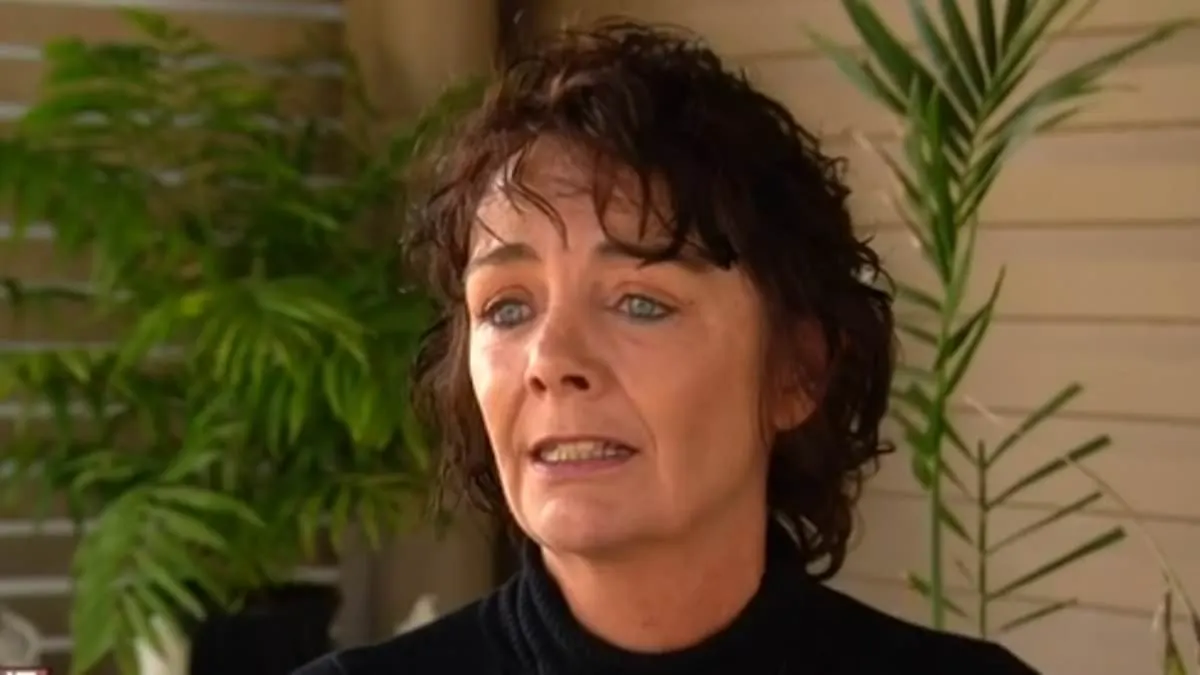
Kath Madgwick's son Jarrad called Centrelink twice on 30 May 2019 seeking clarification about his rejected Newstart claim, then discovered a $2,000 Robodebt on his MyGov account; he died by suicide hours later. The Commonwealth now argues that because Services Australia waived the debt after his death, he is ineligible for compensation in the landmark Robodebt class action settlement, despite a Royal Commission finding that the debt notice was a "precipitating factor" in his death.
Robodebt was an unlawful automated system that wrongly accused over 450,000 Australians of owing about $1.7 billion between 2015 and 2019. Following a Gordon Legal appeal highlighting potential malfeasance in public office, the federal government approved a record $548 million settlement in June 2026. Ms Madgwick has launched a Change.org petition to ministers, arguing that victims should not be excluded from compensation because their debts were later waived.
- Son died by suicide hours after discovering $2,000 Robodebt; mother now denied compensation.
- Scheme wrongly accused 450,000 Australians of owing $1.7 billion; $548m settlement approved June 2026.
- Mother petitioning ministers, arguing victims should not be excluded by bureaucratic technicalities.
New here? Start with this
Robodebt was an Australian government system used between 2015 and 2019 that automatically accused over 450,000 people of owing money to Centrelink, the welfare agency. The system calculated debts by comparing income information without individual checks, wrongly claiming about $1.7 billion was owed. A court found the scheme unlawful in 2026, leading to a record $548 million settlement for those harmed.
Kath Madgwick's son Jarrad contacted Centrelink twice on 30 May 2019 seeking clarification about his rejected welfare claim, then discovered a $2,000 Robodebt on his account. He died by suicide hours later. A Royal Commission investigation later found the debt notice was a precipitating factor in his death.
After his death, Services Australia waived Jarrad's debt. The government argues this means he does not qualify for compensation in the settlement, since the debt no longer exists. His mother argues this creates problems, as victims could be excluded from compensation even if they were harmed by the original Robodebt notice.
Both sides, in good faith
The strongest fair case each way — we don't pick a winner.
The case for
The harm from Robodebt was the unlawful debt notice itself and its traumatic impact, not the financial obligation that followed. The Royal Commission explicitly found the debt notice was a precipitating factor in Jarrad's death, meaning the Commonwealth caused genuine injury through its wrongful action. Excluding victims whose debts were later waived creates a perverse outcome where the government benefits from its own malfeasance by waiting to waive debts after harm occurs, and it focuses compensation on financial loss rather than on redressing the unlawful system that violated citizens' rights.
The case against
The Robodebt settlement's purpose is to compensate those who suffered financial loss from being wrongly pursued for debts they did not owe. Once a debt is waived, no financial loss remains to compensate; the victim has not paid money owed to the Commonwealth. Clear eligibility boundaries are necessary for any settlement to function fairly and predictably, and the absence of a qualifying debt is a reasonable criterion that distinguishes between those harmed by an unpaid obligation versus those who ultimately faced no financial detriment. Expanding eligibility to include waived debts could substantially increase costs and reduce compensation available to those who actually suffered measurable financial harm.
Read the full article at the source →
Originally published by Daily Mail as “My son took his own life after finding a $2,000 debt on MyGov. Now it’s being used to deny me compensation”.